Global oil prices fell below $80 per barrel following growing optimism that the United States and Iran could reach a diplomatic breakthrough that may ease tensions and potentially increase Iranian crude exports to the global market.
The decline in oil prices comes amid reports that Washington and Tehran are making progress in renewed discussions over Iran’s nuclear programme and the possible easing of sanctions. Analysts say any agreement that allows more Iranian oil into international markets would boost global supply, helping to ease pressure on crude prices.
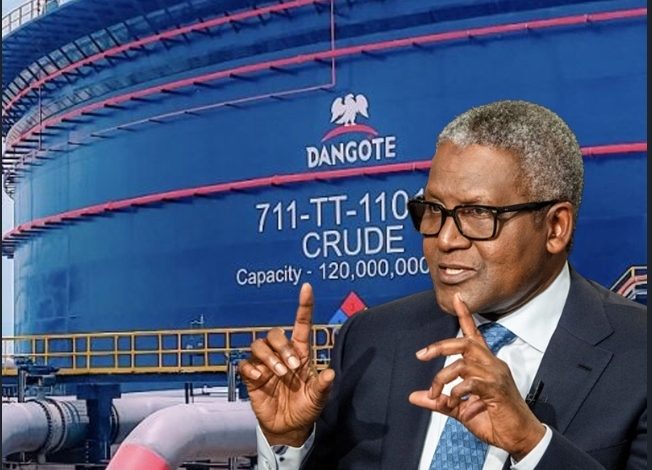
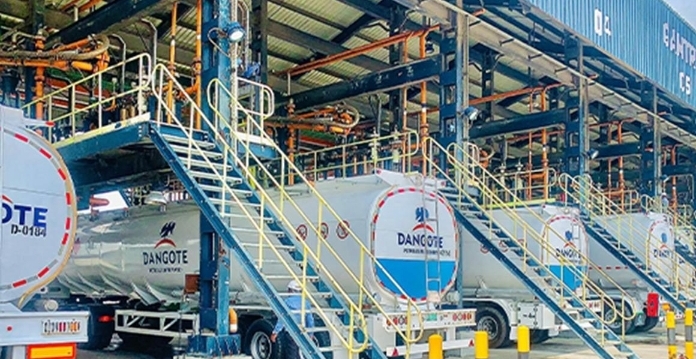
The drop in international crude prices has also had implications for Nigeria’s downstream petroleum sector, with the Dangote Petroleum Refinery announcing a reduction in the ex-depot price of Premium Motor Spirit (PMS), commonly known as petrol.
The refinery lowered its loading price as part of efforts to reflect changing market conditions and make refined petroleum products more affordable. The adjustment is expected to encourage marketers to reduce pump prices across the country, although the final retail price will depend on transportation costs, distribution margins and other operational expenses.
Industry stakeholders believe the price reduction could provide some relief to Nigerians who have faced rising fuel costs in recent months. Lower petrol prices may also help ease transportation expenses, reduce logistics costs for businesses and contribute to moderating inflationary pressures.
Energy market analysts, however, cautioned that oil prices remain highly sensitive to geopolitical developments. While optimism surrounding the U.S.-Iran talks has pushed prices lower, any breakdown in negotiations or renewed tensions in the Middle East could quickly reverse the trend.
For Nigeria, Africa’s largest oil producer, lower crude oil prices present a mixed outlook. While they may reduce the cost of imported petroleum products and benefit consumers, they could also lead to lower government revenues from crude oil exports if the decline is sustained.
The Dangote Refinery, which has continued to expand domestic fuel supply since commencing operations, is expected to play an increasingly important role in stabilising Nigeria’s petroleum market by reducing dependence on imported refined products and improving energy security.
As global markets continue to monitor developments in the U.S.-Iran negotiations, industry observers say the direction of crude oil prices in the coming weeks will largely depend on the outcome of diplomatic talks and broader global demand for energy.
TNAM
By Egwu Patience Nnennaya