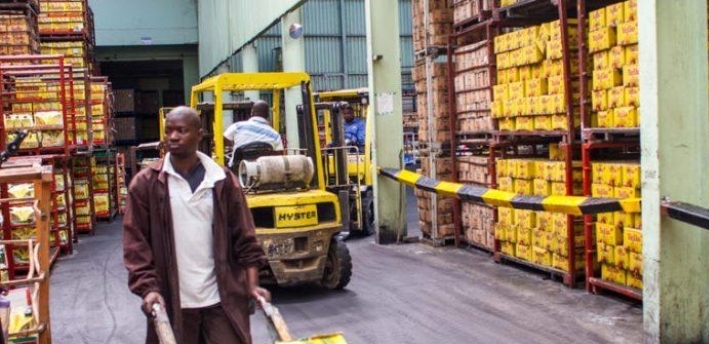
For many years, the global narrative surrounding Africa’s manufacturing sector focused on the continent as a supplier of raw materials rather than a producer of finished goods. Today, that story is changing. Across Africa, a growing number of homegrown companies are expanding into international markets, demonstrating that African businesses can compete globally through innovation, quality production and strategic investment.
One of the continent’s most remarkable manufacturing success stories is Dangote Cement. Established in Nigeria, the company has grown into Africa’s largest cement producer, with manufacturing operations in more than 10 African countries, including Ethiopia, Senegal, Tanzania, Zambia, South Africa and Congo. Beyond meeting domestic demand, Dangote Cement has increased intra-African trade by supplying cement across regional markets, supporting infrastructure development and creating thousands of direct and indirect jobs.
Morocco has also emerged as one of Africa’s leading manufacturing hubs. The country has become the largest vehicle exporter on the continent, producing vehicles for global brands such as Renault and Stellantis. According to the Moroccan Investment and Export Development Agency (AMDIE), the automotive sector now represents the country’s largest export industry, with vehicles manufactured in Morocco being shipped to Europe, the Middle East and other international markets.
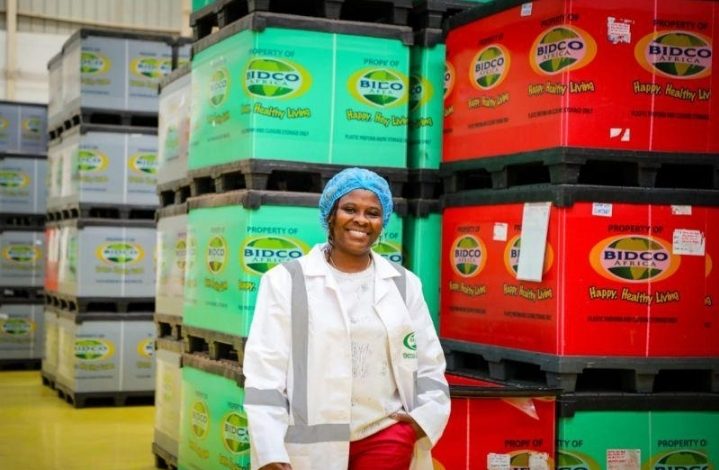
In Kenya, Bidco Africa has evolved from a local edible oils producer into one of East Africa’s largest manufacturers of consumer goods. Today, its products including cooking oils, soaps, detergents, beverages and personal care items are exported across numerous African countries, strengthening regional trade and demonstrating the growing competitiveness of African manufacturing.
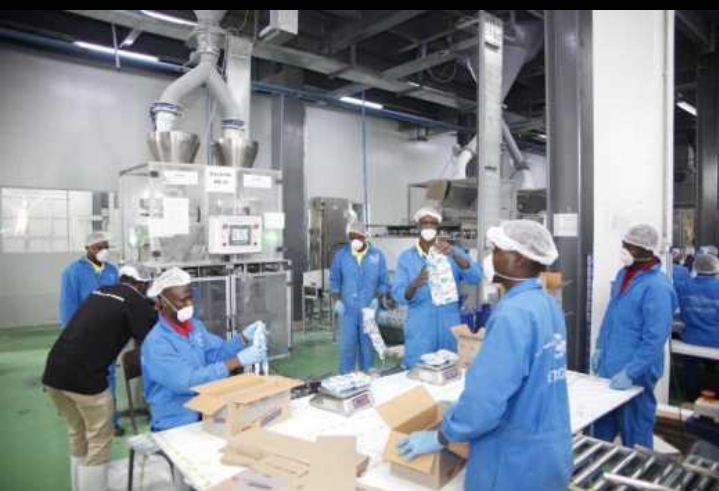
South Africa’s Aspen Pharmacare has become one of the continent’s biggest pharmaceutical manufacturers, supplying medicines to more than 100 countries worldwide. During the COVID-19 pandemic, the company played a significant role in vaccine manufacturing partnerships and continues to invest in pharmaceutical production that strengthens Africa’s healthcare supply chain.
In Ethiopia, textile and garment manufacturers operating within industrial parks have increased exports to Europe and North America, creating employment opportunities for thousands of young people while positioning the country as an emerging manufacturing destination.
These success stories are supported by broader continental initiatives. The African Continental Free Trade Area (AfCFTA) is creating a single market of more than 1.4 billion people, allowing African manufacturers to reach new customers while reducing barriers to regional trade.
Development institutions such as the African Development Bank (AfDB) and the United Nations Industrial Development Organization (UNIDO) continue to support industrialisation through investments in manufacturing, infrastructure, value addition and export competitiveness.
Experts believe Africa’s manufacturing future lies in processing more of its own agricultural products, minerals and natural resources into finished goods. Doing so will help retain value within the continent, strengthen local industries, reduce dependence on imports and create millions of jobs for Africa’s rapidly growing youth population.
As African companies continue to expand beyond their borders, they are changing global perceptions of what “Made in Africa” represents. Rather than being known only for raw materials, the continent is increasingly being recognised for producing globally competitive products, innovative businesses and resilient industries capable of driving long-term economic growth.
This transformation reflects the broader vision of the New Africa Youth Economic Summit & Honours 2026, themed “Building Africa’s Future Through Innovation, AI, Youth Enterprise & Strategic Partnerships.” The summit will bring together policymakers, manufacturers, investors, entrepreneurs and development partners to explore practical strategies for strengthening African industries and creating globally competitive businesses.
The New Africa Group invites corporate organisations, manufacturing companies, financial institutions, development agencies and strategic investors to partner with the summit in advancing industrialisation, innovation and youth enterprise across the continent. Together, these partnerships can help build globally competitive African companies that create jobs, increase exports and strengthen Africa’s position in the world economy.
Register for the New Africa Youth Economic Summit & Honours 2026:
https://forms.gle/9AzcoyauvZnaJpmZ6
TNAM
By Egwu Patience Nnennaya
Monday August 10th, 2026.