
Nigeria’s Dangote Petroleum Refinery recorded a net profit of $1.82 billion in the first half of 2026, marking a sharp turnaround for the Lagos-based refinery as disruptions to global fuel supplies increased demand for its products in Europe.
The refinery generated more than $13 billion in revenue during the six-month period, compared with a $476 million loss recorded in 2025.
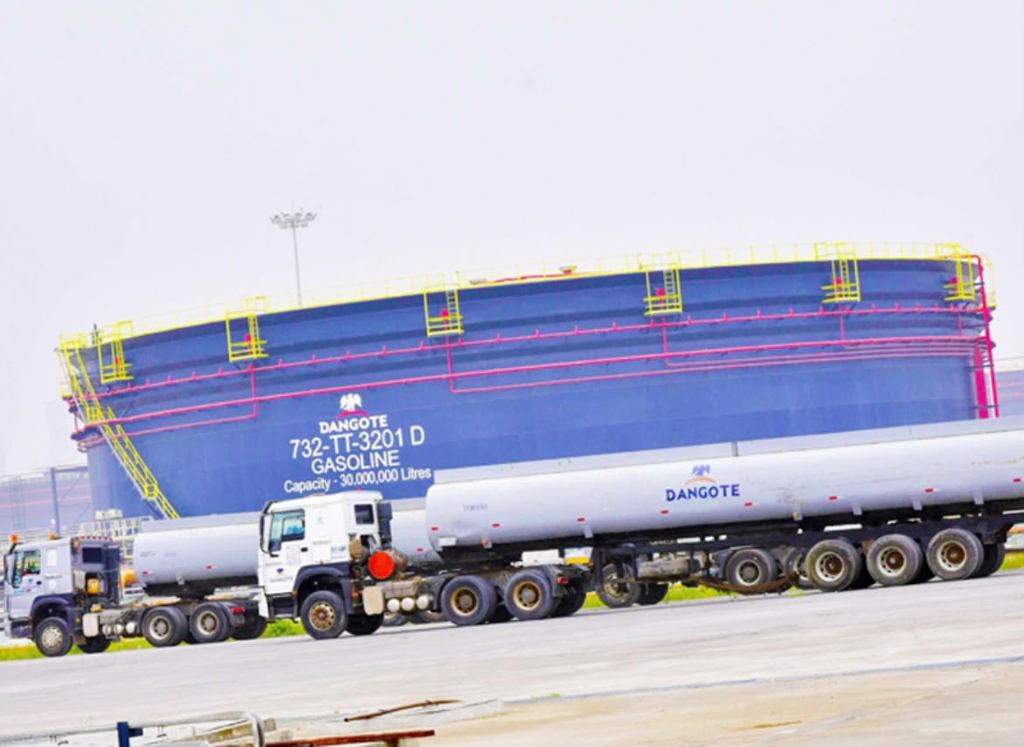
The strong performance came as fuel markets faced significant supply disruptions following the closure of the Strait of Hormuz, which affected shipments of diesel and jet fuel from the Middle East to Europe. The disruption reduced Europe’s supply of the two products by about a quarter and pushed fuel inventories in Northwest Europe to their lowest level in 12 years.
Dangote Refinery increased exports to take advantage of the tighter market, becoming a major supplier of refined fuel to Europe.
During the second quarter of 2026, the refinery supplied about 80,000 barrels per day of jet fuel to Europe. The volume accounted for roughly 13 per cent of the supply shortfall created by the disruption, making Dangote the largest supplier of jet fuel to Europe after the United States.
The refinery also increased exports of diesel and gasoil to both European and West African markets. Its diesel and gasoil exports rose by 23 per cent to about 48,000 barrels per day in 2026.
The increased supply has helped ease pressure on fuel markets in West Africa, while giving the Nigerian refinery a growing role in international fuel trade.
Refinery reshapes Nigeria’s fuel market
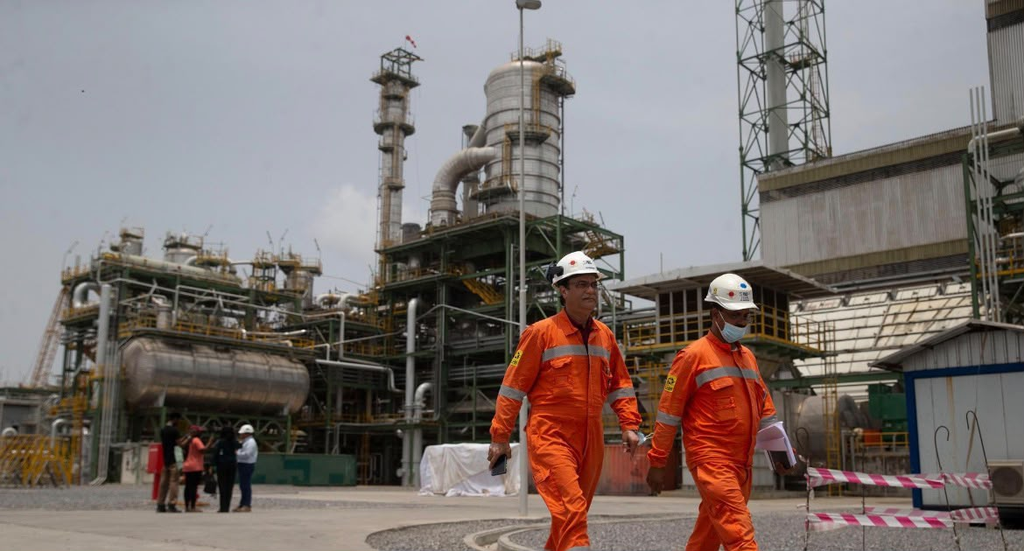
Since beginning operations in 2024, Dangote Refinery has also significantly changed Nigeria’s dependence on imported refined petroleum products.
The refinery has produced between 270,000 and 300,000 barrels per day of gasoline so far in 2026. Nigeria’s gasoline imports have consequently fallen from about 400,000 barrels per day in 2024 to roughly 83,000 barrels per day this year.
The development marks a significant shift for Nigeria, which for years depended heavily on imported petrol despite being one of Africa’s largest oil producers.
The refinery currently has a crude-processing capacity of 700,000 barrels per day and is preparing to expand that capacity to 1.4 million barrels per day by 2029.
Chief Executive Officer David Bird said the refinery is also planning to expand its diesel production capabilities, including the development of a new diesel hydrotreater that would allow it to produce a wider range of diesel specifications for international markets.
IPO opens amid strong financial performance
The refinery’s strong financial results come as Dangote Petroleum Refinery begins one of Africa’s largest-ever initial public offerings.
The company opened its public share offer on September 14, offering 4.1 billion shares at ₦525 per share. If fully subscribed, the offer is expected to raise approximately ₦2.15 trillion, equivalent to about $1.6 billion.
The refinery has been valued at approximately ₦63 trillion, or $47.59 billion, based on the offer price.
The public offer is scheduled to close on October 13, with the shares expected to begin trading on the Nigerian Exchange later in the year.
Investors can subscribe for as few as 10 shares, making the offer accessible to retail investors through approved digital investment platforms and other channels.
The funds raised are expected to support the refinery’s expansion plans, including its proposed increase in crude-processing capacity to 1.4 million barrels per day.
Dangote expands its role in global fuel markets
The refinery’s growing exports have positioned it beyond its original objective of reducing Nigeria’s dependence on imported fuel.
Its increasing supply of jet fuel, diesel and other refined products is giving Nigeria a larger role in international fuel markets at a time when disruptions to traditional supply routes have tightened global availability.
With plans to double its refining capacity, Dangote Refinery is expected to further increase its ability to supply both African and international markets as its expansion programme progresses.
TNAM