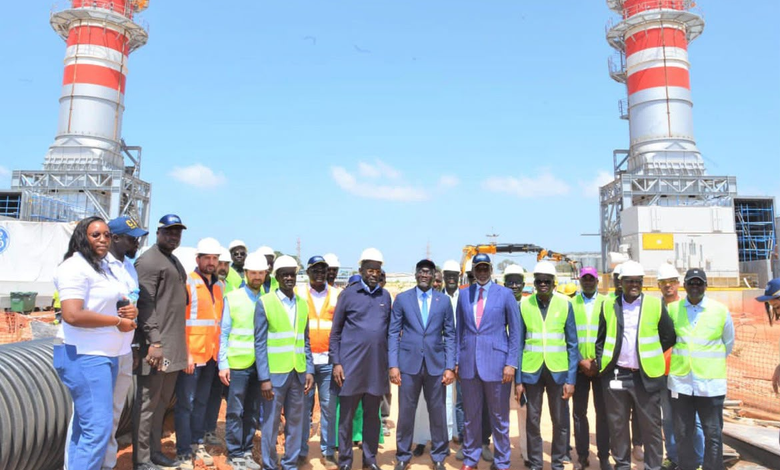
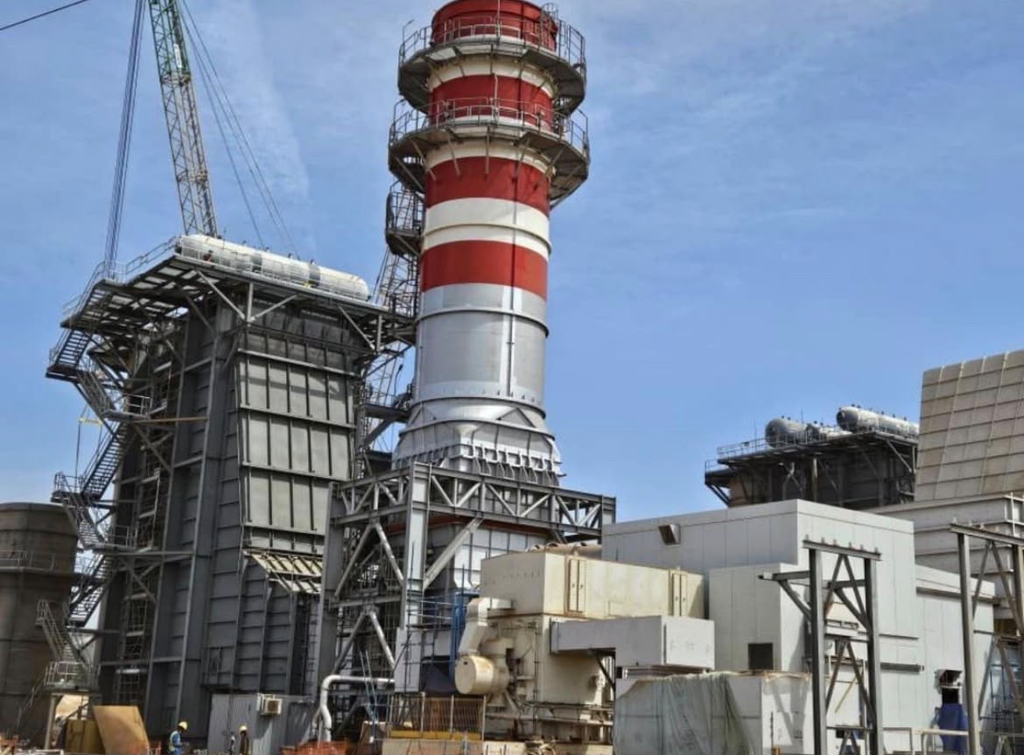
Senegal is planning to increase its use of domestically produced natural gas for electricity generation as the West African country seeks to reduce power costs and its dependence on expensive imported fuels.
Energy Minister El Hadji Abdourahmane Diouf said the government’s priority is to lower the actual cost of electricity by expanding the use of local gas, increasing renewable energy capacity and improving the efficiency of the country’s power sector.

The strategy comes as higher global energy prices have increased Senegal’s fuel subsidy costs, putting additional pressure on government finances.
Senegal has expanded its oil and gas production in recent years, with new offshore projects increasing the country’s energy resources and opening opportunities for both domestic consumption and exports.
The country began producing oil in 2024 after Australian energy company Woodside Energy started production at the Sangomar oil and gas field. Gas production also began at the Greater Tortue Ahmeyim liquefied natural gas project, operated by BP, in 2025.
The government is now looking to make greater use of these domestic resources to reduce the cost of producing electricity.
Government targets lower energy costs
Senegal’s government has said it wants to eventually reduce energy costs by around 30%, with changes to the country’s subsidy system forming part of the broader strategy.
Rather than maintaining broad-based subsidies, the government plans to focus support on vulnerable households, public transportation and strategic productive sectors.
The approach is intended to reduce the financial burden of energy subsidies while continuing to protect consumers most affected by high energy prices.
Diouf said the government would also continue investing in renewable energy and improving operational efficiency as part of efforts to bring down electricity costs.
Yakaar-Teranga becomes key to domestic gas strategy
One of the most important projects in Senegal’s gas strategy is the Yakaar-Teranga field.
The field was previously operated by U.S. energy company Kosmos before Senegal’s state-owned oil company, Petrosen, received a licence for the project in April.
The government plans to develop the field for both domestic consumption and exports, potentially giving Senegal additional gas supplies for electricity generation while creating another source of export revenue.
Diouf said Senegal remains open to working with new partners to develop the field, provided investments meet the country’s technical, economic and commercial requirements.
Senegal seeks to strengthen energy sector
The increased focus on domestic gas forms part of Senegal’s wider effort to strengthen its energy sector as oil and gas production expands.
The government has also carried out audits and reviews of existing contracts and projects as it seeks to improve governance and ensure that the country receives greater economic benefits from its natural resources.
For Senegal, greater use of domestic gas could reduce exposure to fluctuations in international fuel prices while providing a more predictable source of energy for electricity generation.
The government is therefore combining domestic gas development with renewable energy expansion and changes to energy subsidies as it works to reduce electricity costs and strengthen the country’s energy security.
TNAM