30 African countries included in permanent visa bond scheme
Nationals from 50 countries, including 30 in Africa, will face security deposits of up to 20,000 U.S. dollars when applying for certain business and tourist visas under a permanent visa bond program announced by the United States. Officials say the measure aims to curb visa overstays, but critics warn it could deter legitimate travelers.

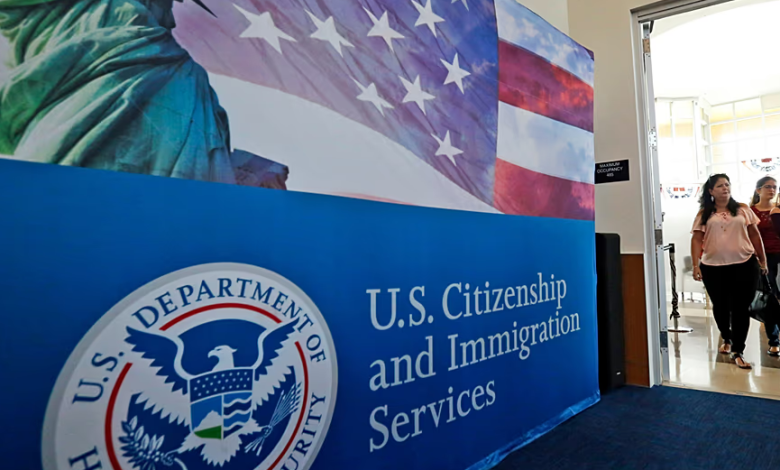
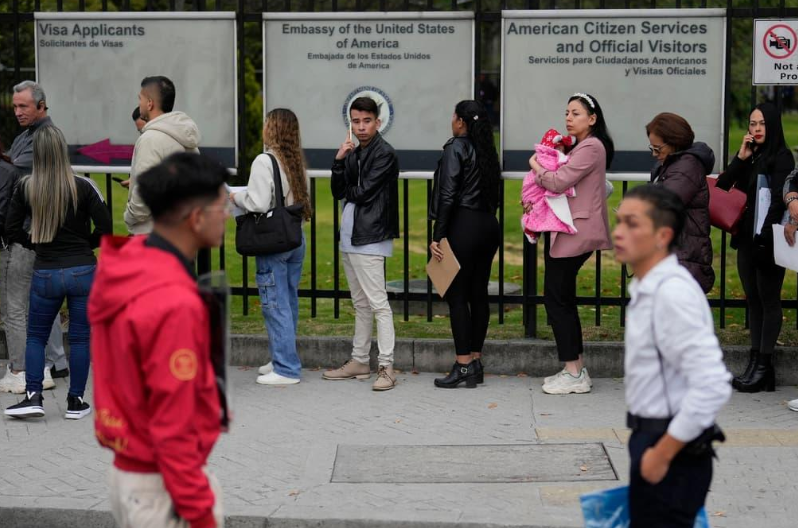
The United States has officially made its visa bond programme a permanent part of its immigration system, introducing stricter entry requirements for visitors from 50 countries, including 30 African nations.
The policy, which took effect on 3 August 2026, allows U.S. consular officers to require applicants for B-1 business and B-2 tourist visas to pay a refundable security bond of up to $20,000 before their visas are issued. U.S. authorities say the measure is aimed at reducing visa overstays and strengthening compliance with immigration laws.
The decision follows a one-year pilot programme introduced in 2025 after the U.S. government identified high visa overstay rates among travellers from selected countries. According to the U.S. State Department, the pilot achieved its intended objective by encouraging visitors to comply with the conditions of their visas, prompting the government to make the programme permanent.
Unlike visa application fees, the security bond is refundable. Travellers who leave the United States before their authorised stay expires and comply with all visa conditions will have their money returned. However, those who overstay their visas or violate immigration regulations risk forfeiting part or all of the bond.
The permanent programme also introduces higher bond amounts than those used during the pilot phase. While applicants were previously required to pay between $5,000 and $15,000, the revised policy increases the range to $10,000–$20,000, with the lower $5,000 option removed.
U.S. officials stressed that the bond requirement will not automatically apply to every applicant from the listed countries. Instead, consular officers will assess each case individually, taking into account factors such as an applicant’s travel history, immigration compliance, visa overstay rates and other relevant risk indicators before deciding whether a bond is necessary.
The policy currently applies only to temporary business and tourist visas and does not automatically affect student visas, work visas, diplomatic visas or applications for permanent residency.
Among the African countries included in the permanent visa bond programme are Nigeria, Algeria, Angola, Benin, Botswana, Burundi, Cabo Verde, Central African Republic, Côte d’Ivoire, Djibouti, Ethiopia, Gabon, The Gambia, Guinea, Guinea-Bissau, Lesotho, Malawi, Mauritania, Mauritius, Mozambique, Namibia, São Tomé and Príncipe, Senegal, Seychelles, Tanzania, Togo, Tunisia, Uganda, Zambia and Zimbabwe.
The U.S. government says the countries were selected based on visa overstay statistics, immigration compliance records and broader security assessments. Officials maintain that the programme is intended to protect the integrity of the country’s immigration system while allowing legitimate travellers to continue visiting the United States.
However, the policy has drawn criticism from immigration advocates and civil society organisations, who argue that it places a significant financial burden on travellers from developing countries. Critics say requiring refundable bonds of up to $20,000 could discourage tourism, business travel, family visits and investment, particularly for applicants who may already struggle with the costs associated with obtaining a U.S. visa.
Despite the concerns, Washington has indicated that the visa bond programme will remain a key part of its immigration enforcement strategy, with the list of participating countries subject to periodic review based on future visa compliance and overstay data.
TNAM
By Egwu Patience Nnennaya
Monday August 3rd, 2026.