Why Investing in Skills, Innovation and Quality Learning Is Key to Africa’s Future
With millions of young people entering the labour market each year, education is emerging as Africa's most strategic investment for economic growth, technological advancement and global competitiveness.

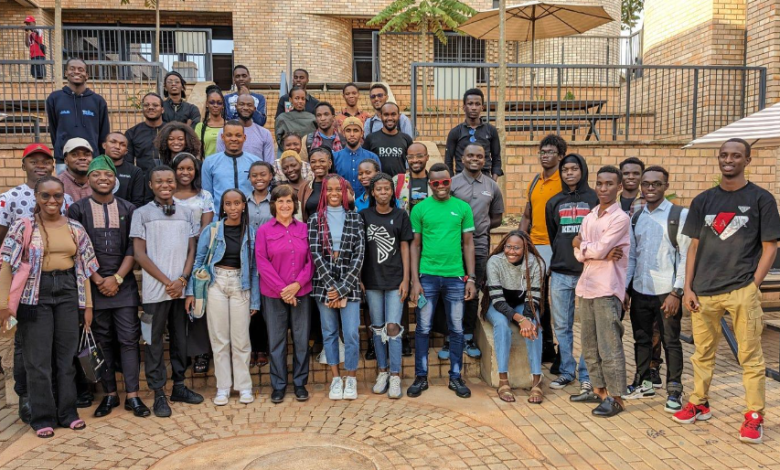
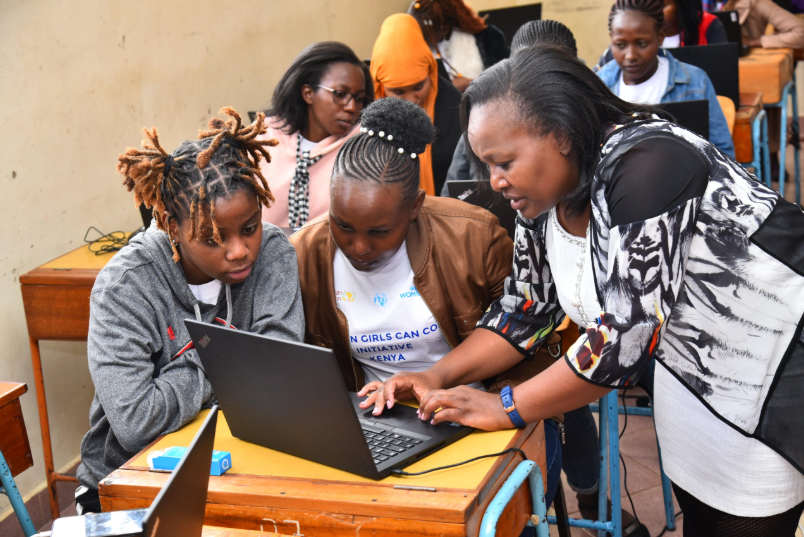
Education is increasingly being recognised as one of the most important investments shaping Africa’s economic future. As the continent prepares to become home to the world’s largest working-age population by 2050, governments, development institutions and the private sector are placing greater emphasis on expanding access to quality education, strengthening technical and vocational training, and equipping young people with the digital and entrepreneurial skills needed to compete in a rapidly changing global economy.
Despite significant progress in school enrolment over the past two decades, millions of African children and young people continue to face barriers to quality education. According to UNESCO, more than 98 million children and youth across Sub-Saharan Africa remain out of school, while many others complete their education without acquiring the foundational literacy, numeracy and digital skills required for employment or entrepreneurship.
The challenge is driving renewed investment across the continent. In Rwanda, the government continues to strengthen digital learning by expanding smart classrooms and integrating technology into public education as part of its broader digital transformation agenda. In Kenya, competency-based education reforms are placing greater emphasis on practical skills, creativity and problem-solving, preparing learners for an innovation-driven economy. Ghana has expanded access to secondary education through its Free Senior High School policy, while Nigeria continues to increase investments in technical and vocational education to address skills shortages in key sectors of the economy.
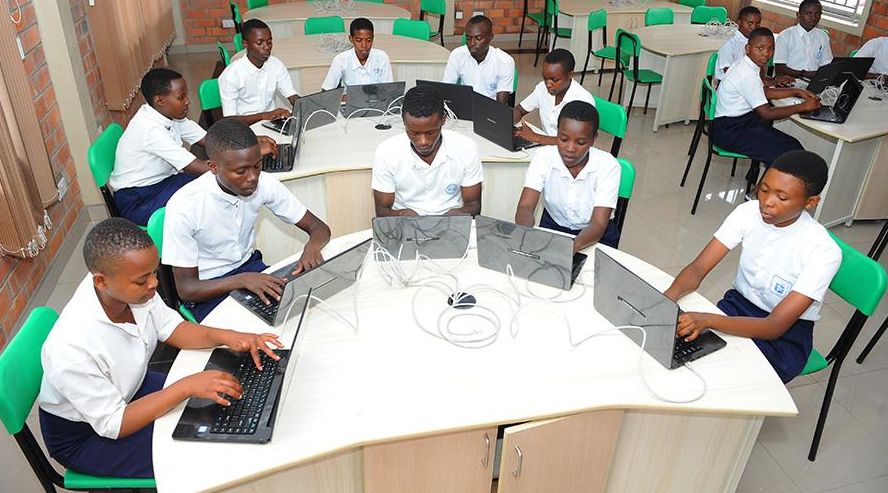
Higher education is also evolving to meet new demands. Universities and innovation hubs across Africa are introducing programmes in artificial intelligence, data science, cybersecurity, renewable energy and digital entrepreneurship, reflecting the growing need for a workforce capable of supporting industrialisation and technological advancement. Institutions such as the African Leadership University (ALU), alongside several public universities, are redesigning curricula to focus on leadership, innovation and problem-solving rather than traditional academic instruction alone.
Development partners have also intensified support for education across the continent. The World Bank, the African Development Bank and UNICEF continue to invest in projects that improve learning outcomes, strengthen teacher training, expand digital infrastructure and increase access to education for girls and vulnerable communities. These investments recognise that education is not only a social priority but also a critical driver of economic growth, productivity and sustainable development.
Experts argue that Africa’s greatest resource is not its minerals or natural wealth but its people. With more than 60 per cent of the continent’s population under the age of 25, investing in education and skills development will determine whether Africa can fully harness its demographic advantage. A well-educated and digitally skilled workforce will be essential to achieving the ambitions of the African Union’s Agenda 2063, accelerating industrialisation and strengthening Africa’s position in the global knowledge economy.
As conversations around education increasingly focus on innovation, entrepreneurship and future-ready skills, collaboration between governments, educational institutions, technology companies and development organisations has become more important than ever.
It is within this context that the New Africa Youth Economic Summit & Honours 2026, themed “Building Africa’s Future Through Innovation, AI, Youth Enterprise & Strategic Partnerships,” will bring together policymakers, educators, business leaders, innovators and development partners to explore practical solutions for empowering Africa’s next generation. The summit aims to promote strategic partnerships that strengthen education, encourage innovation and create opportunities for young Africans to contribute meaningfully to the continent’s economic transformation.
The New Africa Group invites governments, educational institutions, technology companies, corporate organisations and development partners to partner with the summit in advancing quality education, digital skills and youth empowerment across Africa. Investing in education today is an investment in the leaders, innovators and entrepreneurs who will shape Africa’s future.
Register for the New Africa Youth Economic Summit & Honours 2026:
https://forms.gle/9AzcoyauvZnaJpmZ6
TNAM
By Egwu Patience Nnennaya
Monday August 3rd, 2026.