
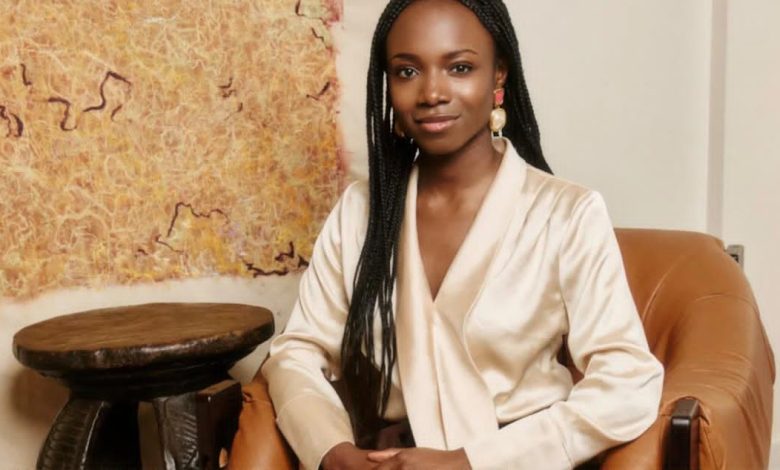
Yinka Ogunbiyi’s HaloBraid combines robotics with traditional hairstyling, offering a new way to reduce the time and physical effort involved in hair braiding.
For many women, getting their hair braided is an experience that requires patience. Depending on the style, a salon appointment can take several hours, with professional hairstylists repeating the same intricate hand movements throughout the process.
Nigerian-American engineer and entrepreneur Yinka Ogunbiyi believes technology can make that experience easier. Her solution is HaloBraid, a robotic hair-braiding assistant developed to handle some of the repetitive work involved in creating braids while allowing professional stylists to remain in control of the hairstyle.
The technology recently attracted attention following the release of its first public demonstration on October 28, 2026. The demonstration offered a closer look at how the device works and how robotics could become part of an industry traditionally built around human skill and creativity.
How Does the Hair-Braiding Robot Work?
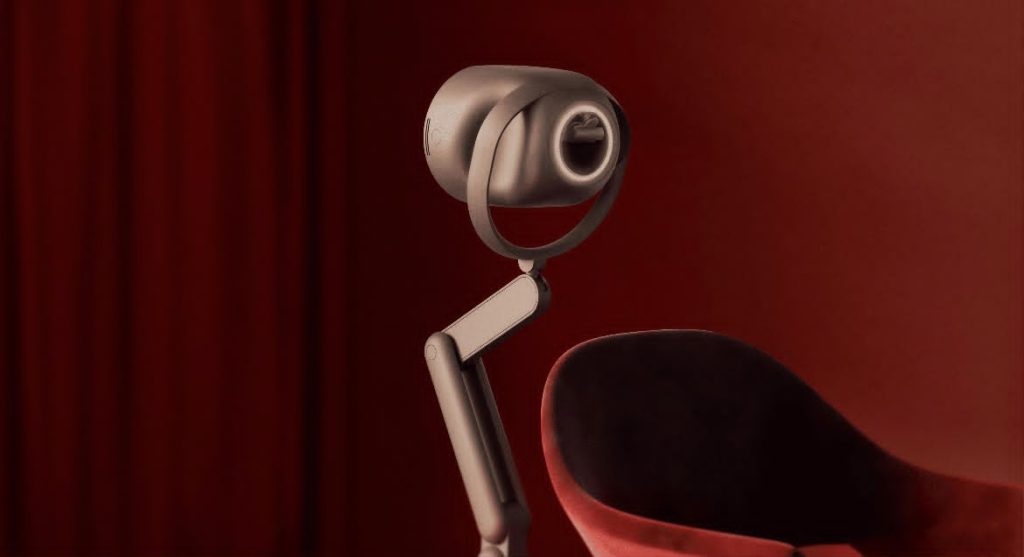
HaloBraid is not designed to replace a hairstylist or independently create an entire hairstyle. Instead, it works alongside the professional, taking over a specific part of the braiding process.
The stylist first prepares the client’s hair, separates it into sections and establishes the braid. The hair is then positioned in the machine, which assists with the repetitive weaving movements needed to extend the braid.
Once that part is completed, the stylist can take over to finish and secure the hair.
This approach is important because braiding involves more than simply crossing strands of hair. Different styles require careful sectioning, tension, positioning and finishing. These are skills that experienced hairstylists develop over time.
By concentrating on the repetitive weaving stage, HaloBraid aims to reduce the amount of manual work required without taking away the stylist’s creative input.
The company says the technology can make individual braiding tasks up to five times faster. While this is a company-reported performance figure, the actual time saved during a complete salon appointment will depend on the hairstyle and the work involved.
The Personal Experience Behind the Invention
The idea for HaloBraid came from an experience Yinka Ogunbiyi had during the COVID-19 pandemic.
After spending four days installing her own protective knotless braids, she began thinking about why a process that required so much time and repetitive effort had not been made easier through engineering.
Rather than viewing the experience as simply an inconvenience, she saw an opportunity to apply her technical knowledge to a familiar problem.
Ogunbiyi went on to develop the idea with her co-founder, David Afolabi. Together, they worked towards creating a device that could support professional braiders while respecting the skill involved in their work.
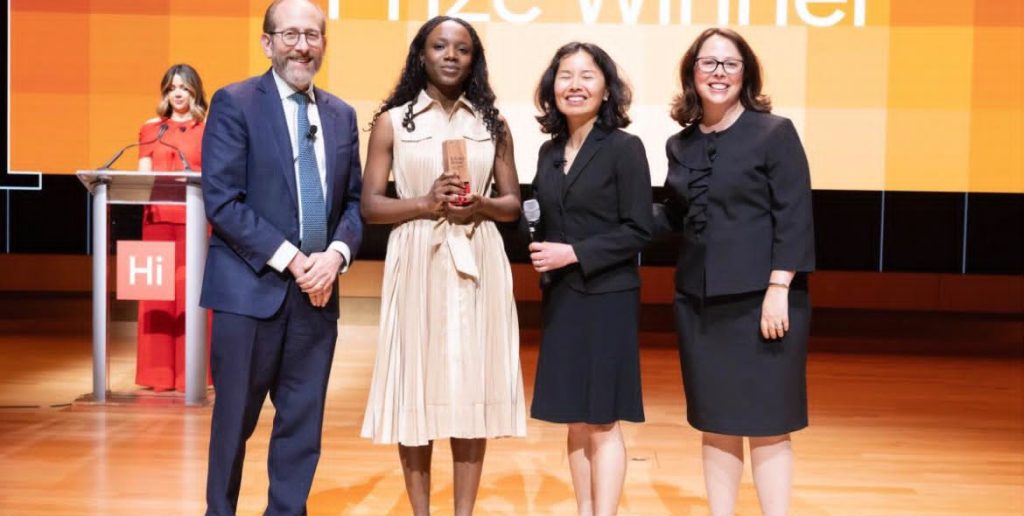
Her background in engineering and business, including graduate studies at Harvard University, helped shape the development of the venture.
What started as an idea inspired by a personal experience has since developed into a technology startup seeking to introduce robotics into the professional beauty industry.
Why the Technology Matters to Professional Stylists
Hair braiding requires repeated movements of the hands, fingers and wrists. For professionals who spend much of their working day braiding clients’ hair, these movements can become physically demanding.
The process can also limit how many clients a stylist can attend to in a day, particularly when working on elaborate hairstyles that require several hours to complete.
HaloBraid is intended to address some of these challenges. By assisting with repetitive weaving, it could give stylists more time to focus on preparing hair, creating designs and completing the final look.
If the technology performs consistently in real salon environments, it could also help businesses organise appointments more efficiently and potentially serve more customers.
However, its wider adoption will depend on factors such as affordability, ease of use, compatibility with different hair textures and styles, and how well professional braiders incorporate it into their existing routines.
A $7 Million Investment in the Future of Hair Technology
HaloBraid has already attracted investment interest. In July 2026, the company secured $7 million in seed funding in a round led by Seven Seven Six, the venture capital firm founded by Reddit co-founder Alexis Ohanian. AlleyCorp and Bling Capital also participated.
The funding is expected to support the company’s development and preparations for bringing the technology to the professional beauty market.
The startup has also reported more than 7,000 salons on its waiting list, suggesting considerable interest from businesses looking for new ways to improve their services.
The October demonstration is therefore an important step in introducing the technology to a wider audience and showing how the device is intended to function.
When Robotics Meets African Hair Culture
Hair braiding has a long history across African communities and remains an important part of personal expression, identity and the beauty industry. From knotless braids and cornrows to other intricate styles, the craft requires patience, creativity and years of experience.
The introduction of a robotic assistant into this space raises an interesting possibility: technology does not always have to replace traditional skills to be useful. It can also support the people who practise them.
For African entrepreneurs and innovators, HaloBraid offers an example of how everyday experiences can inspire engineering solutions with potential applications in international markets.
Its success will ultimately depend on how well it meets the needs of the hairstylists it is designed to support. But the idea itself presents a different way of thinking about automation: not as a substitute for human creativity, but as a tool that can help skilled professionals work more efficiently.
With its first public demonstration now released, Yinka Ogunbiyi and her team are bringing a new conversation to the beauty industry about what the future of hair braiding could look like.
TNAM


