Burkina Faso Opens $62 Million Technology Academy to Train Its Next Generation of Engineers


Burkina Faso has taken a major step towards strengthening its scientific and industrial capacity with the opening of a new technology academy designed to train engineers and researchers in fields considered important to the country’s future.
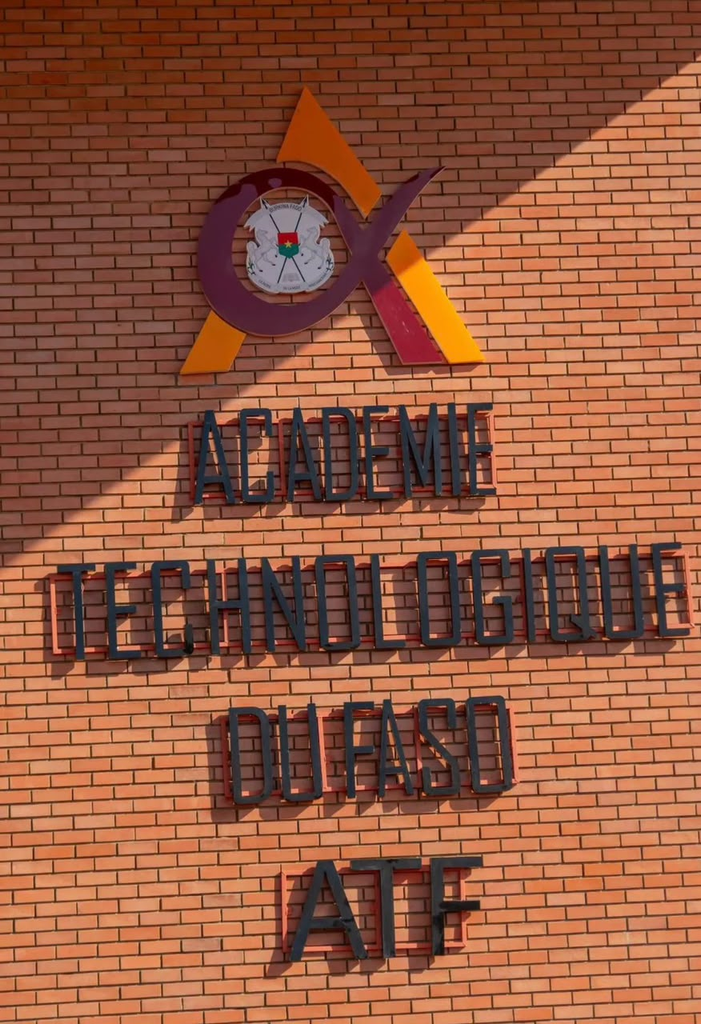
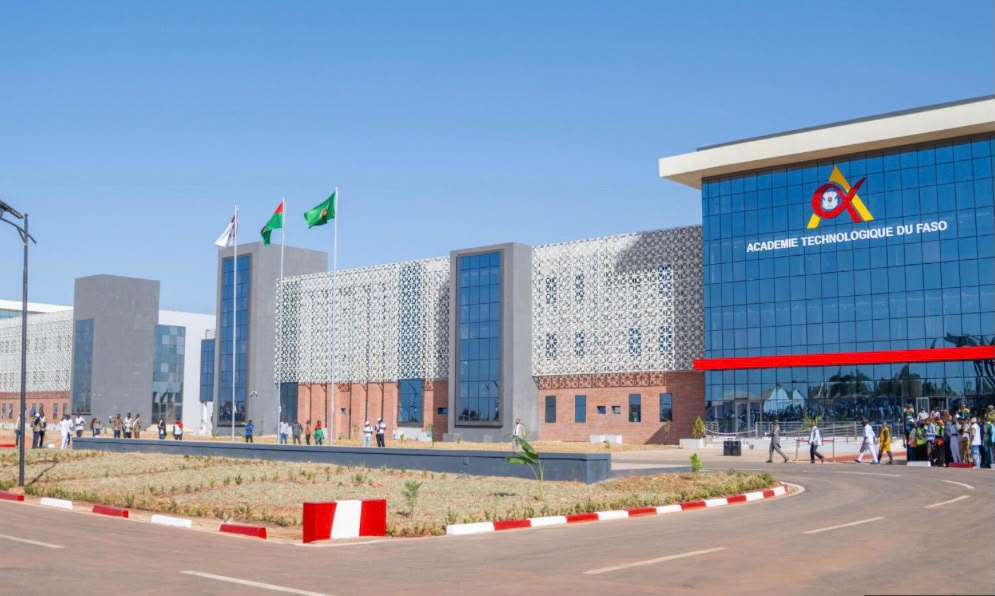
President Ibrahim Traoré officially inaugurated the Académie Technologique du Faso (ATF) on November 23, 2026, in Pabré, a town on the outskirts of Ouagadougou. The institution sits on a 60-hectare campus developed to provide specialised scientific and technical education to young Burkinabè.
The first phase of the project cost 37.37 billion CFA francs, approximately US$62 million. According to the government, the funding came from Burkina Faso’s national budget, rather than foreign loans or grants. The project is part of the country’s wider effort to strengthen local skills, expand technical education and build greater capacity within its own industries.
A campus built in less than a year
One of the striking details of the project is how quickly the first phase was completed. Construction began in December 2025 and was finished in approximately 10 months and 18 days, ahead of the original 12-month timeline.
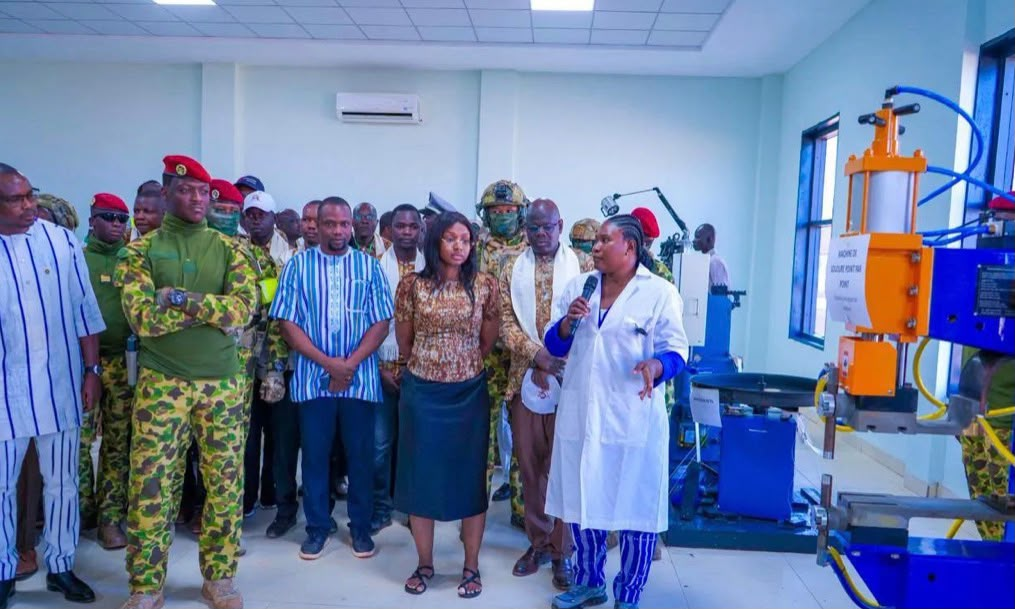
The construction reportedly involved 11 Burkinabè companies and more than 1,400 workers. It was not simply a project to put up classrooms. The campus was designed as a specialised learning environment where students can combine classroom instruction with practical training.
Its facilities include lecture halls, connected amphitheatres, a library, laboratories, technical workshops and an industrial forge. There are also accommodation facilities for students and teachers, a dining hall, an infirmary, sports facilities and other supporting infrastructure.
The scale of the campus reflects the kind of education the institution is expected to provide. Students will need access to equipment, laboratories and practical learning spaces if they are to develop the technical skills required in engineering and industrial production.
The 37.37 billion CFA franc figure covers the first phase of construction, rather than necessarily representing the full cost of every future development at the academy.
250 students selected for the first intake
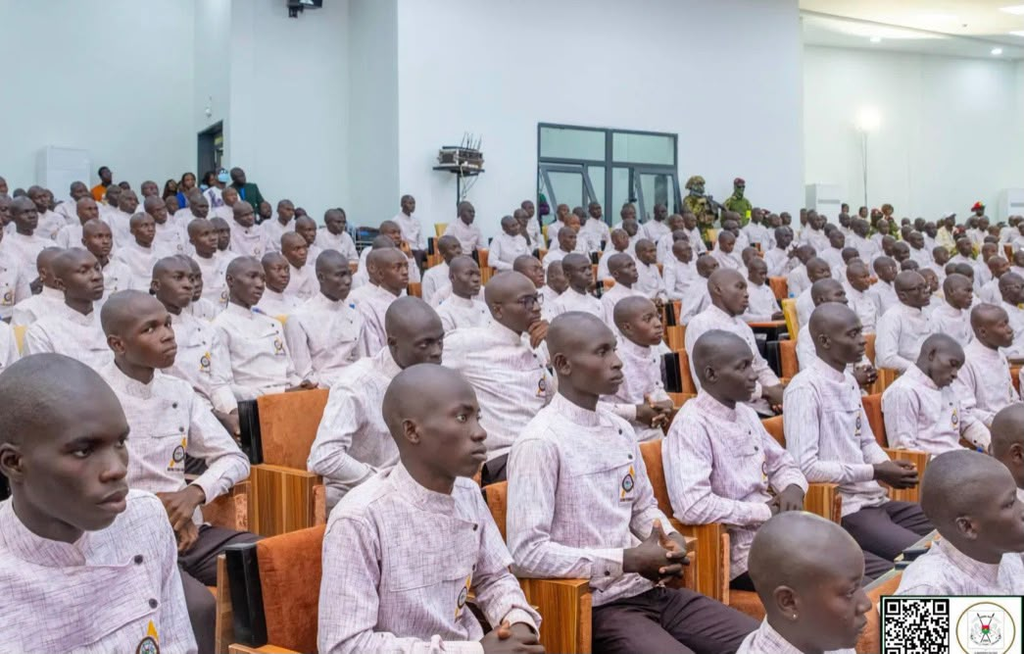
The academy has opened its doors to its first group of 250 students, selected from young people with scientific and technical backgrounds.
Admission attracted several thousand applicants, with the successful candidates chosen from among the country’s 2026 secondary school graduates. Reports on the selection process also indicate that 28 candidates were placed on a waiting list.
The students will begin with a two-year preparatory programme before proceeding into specialised areas of engineering. The intention is to give them a strong foundation before they move into the technical disciplines they will eventually pursue.
The academy’s 11 areas of specialisation include nuclear engineering, aeronautical engineering, mining, metallurgy, telecommunications, computer science, digital engineering, industrial chemistry, electrical energy, civil engineering and cybersecurity.
These are not small ambitions. They cover industries that require highly trained professionals, from the development of energy systems and industrial equipment to mineral processing, digital infrastructure and aviation technology.
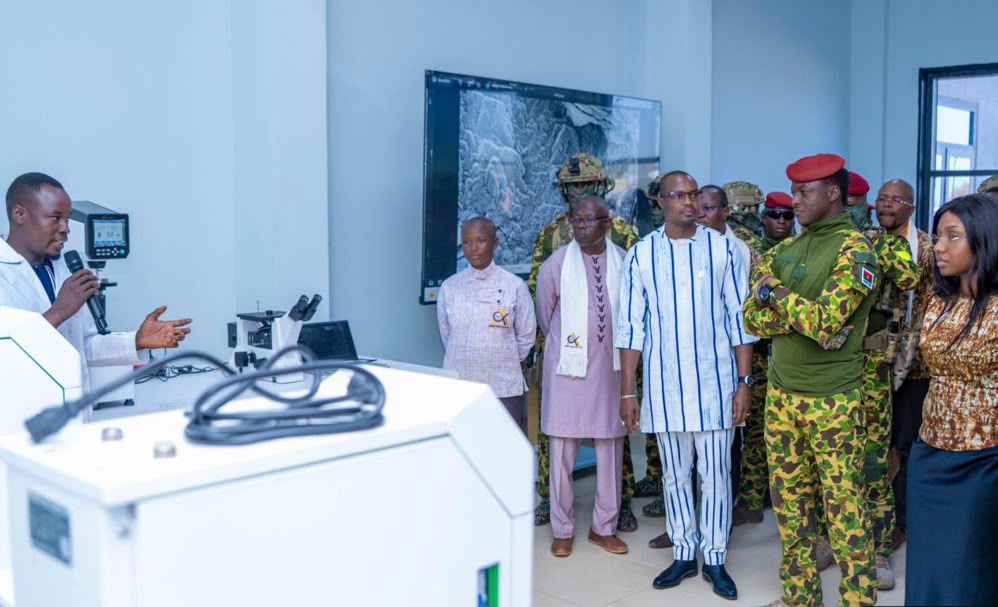
At the inauguration, President Traoré challenged the students to think about what they could create with the knowledge they would acquire.
He spoke about the possibility of Burkina Faso developing its own engines and aircraft technology, encouraging the students not to limit their ambitions to what they might consider possible today. He also pointed to the development of equipment and technologies that could be produced within the country.
His message was that the academy should produce more than graduates with certificates. It should help develop people who can design, build, repair and improve the technologies used by their country.
This ambition is particularly relevant to Burkina Faso’s mining and industrial sectors. The country has important mineral resources, including gold, but extracting and exporting minerals is only one part of building a stronger industrial economy. Processing resources locally, manufacturing equipment and developing the technical expertise to maintain industrial operations can create additional economic value.
Training engineers in metallurgy, mining, industrial chemistry and electrical energy could help build the human capacity required for those activities. Likewise, expertise in computer science, digital engineering and cybersecurity is increasingly important for modern businesses, public institutions and infrastructure.
A local approach to scientific and technical education
The academy is also connected to a broader question facing many African countries: how to develop the technical knowledge needed to support their own economic ambitions.
Countries can invest in factories, energy projects, mining operations and digital infrastructure, but these investments also require skilled people to design, operate and maintain them. Where that expertise is limited, businesses and governments may have to depend heavily on specialists from outside the country.
By establishing the ATF, Burkina Faso is seeking to strengthen the pipeline of local engineers and researchers who can contribute to national development. Its focus on practical instruction is intended to bring education closer to the needs of industry, rather than leaving students with theoretical knowledge alone.
The institution was established under the country’s Presidential Initiative for Quality Education for All and is attached to the Presidency of Faso.
For the students, the opening also represents an opportunity to receive specialised training at home. It gives young people interested in advanced engineering fields a new institution in which to pursue those ambitions without necessarily having to look abroad for every stage of their education.
The real test will be what the academy produces
The opening of the Académie Technologique du Faso is an important development, but the real measure of its success will come over time.
Training engineers in fields such as nuclear technology, aerospace, metallurgy and industrial chemistry requires experienced lecturers, well-equipped laboratories, sustained research funding and strong links with industries where students can apply what they learn.
The academy will also need to demonstrate that its graduates can move from training into meaningful research, employment, innovation and industrial production. Those outcomes will determine how much the institution contributes to Burkina Faso’s long-term development.
For now, the country has put a major piece of educational infrastructure in place and welcomed its first 250 students. The ambition is to build a generation of engineers capable of turning scientific knowledge into practical solutions and helping develop more technology within Burkina Faso.
TNAM