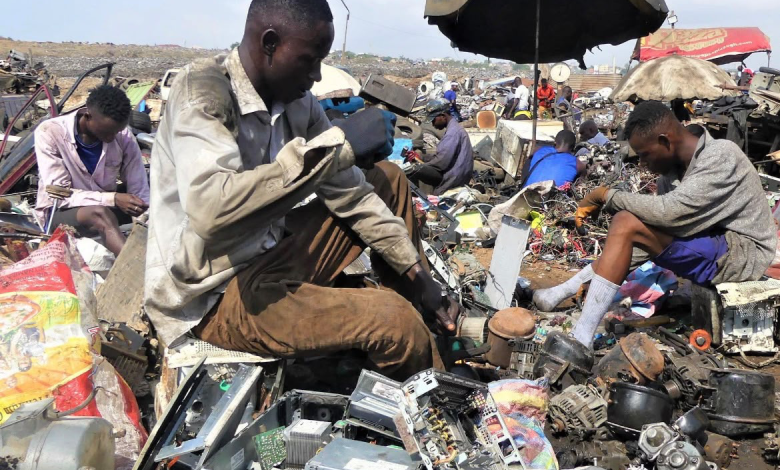
For years, Agbogbloshie, a major scrap and waste-processing area in Accra, Ghana, was known for its mountains of discarded electronics, plastics and other refuse. Workers made a living collecting, repairing, dismantling and recovering valuable materials from items many people had thrown away.
Now, the Ghanaian government wants to change the future of the area, turning a longstanding environmental challenge into an opportunity for jobs, industrial development and a more organised recycling industry.
In September 2026, President John Dramani Mahama launched an operation to evacuate an estimated one million tonnes of accumulated waste from Agbogbloshie to the Adepa Engineered Landfill Site near Nsawam in Ghana’s Eastern Region. The operation is expected to take 90 days and involves the Ministry of Local Government, the Ghana Armed Forces and the District Road Improvement Programme.
The cleanup is intended to reclaim the land for redevelopment. President Mahama has announced plans to establish an industrial park on the site, including a major textile factory that could provide employment for young people.
A 20,000-job ambition
The employment plan extends beyond Agbogbloshie. In October, Local Government Minister Mahama Ayariga announced that the government was targeting at least 20,000 permanent jobs through a nationwide sanitation and circular-economy programme.
The proposed programme includes engineered landfill sites in regional capitals, waste transfer stations across all 261 Metropolitan, Municipal and District Assemblies, improved waste collection systems and expanded recycling infrastructure.
The government also says it wants to create opportunities for existing waste operators and encourage more women to participate in the industry.
The value already hidden in Ghana’s waste
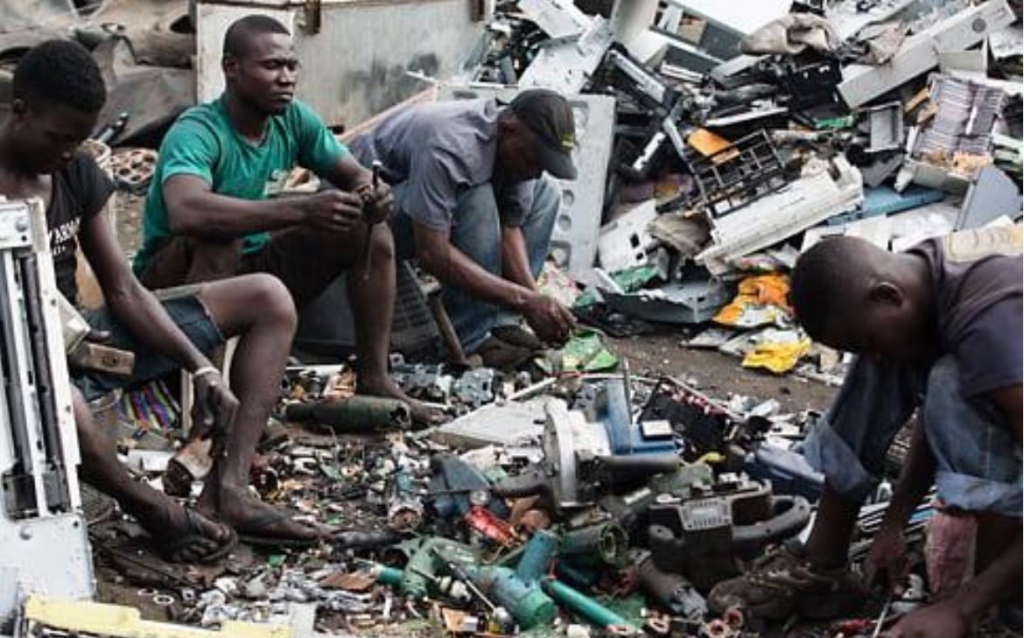
Ghana’s waste economy is not starting from nothing. For years, collectors, repairers, scrap dealers and recyclers have earned a living from discarded electronics and other materials.
A 2021 report by Graphic Online, citing the European Union-funded E-MAGIN project, estimated that the e-waste industry supported between 20,000 and 35,000 direct jobs, with another 120,000 people depending on it indirectly. These are historical estimates, not a count of jobs created by the new government programme.
The sector also faces serious challenges. Unsafe dismantling and the open burning of cables to recover copper can expose workers and surrounding communities to hazardous substances. Moving towards organised collection and safer recycling could therefore improve both working conditions and the value recovered from discarded materials.
Ghana’s 2027 Budget also reports progress in its electronic-waste collection programme. In 2026, the pilot incentive system at Old Fadama (Agbogbloshie) collected 41.4 tonnes of cables, alongside other materials, and delivered additional stockpiles to formal recyclers.
More than clearing a dump
The real test of Ghana’s plan will be what happens after the waste is removed. Reclaiming land and building new facilities are important steps, but the people who have depended on the informal recycling economy will also need opportunities to participate in the new system.
If the programme delivers safer working conditions, viable recycling businesses and sustainable employment, Ghana could turn a long-standing environmental problem into a productive part of its economy.
For now, the 20,000 jobs remain a government target. Whether the ambition becomes a lasting source of employment will depend on how the infrastructure, investment and opportunities are delivered.
TNAM