West Africa’s Digital Economy Reaches $216 Billion, with Nigeria Leading the Region

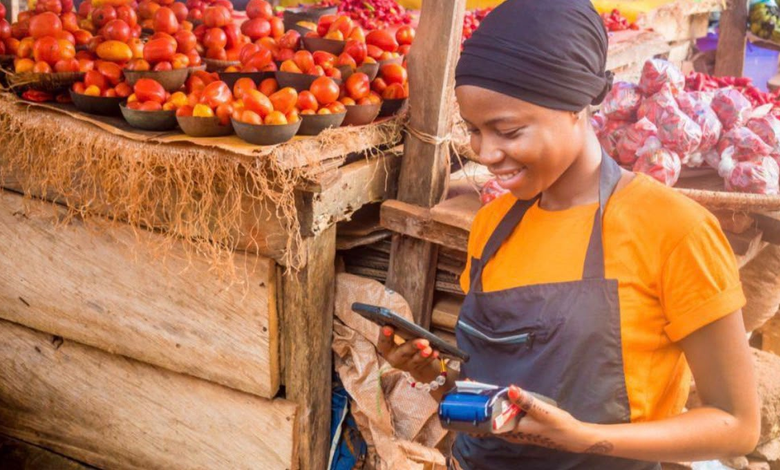
From mobile banking and online shopping to fintech and digital services, technology is becoming a major part of West Africa’s economy, with Nigeria accounting for the region’s largest digital market.
West Africa’s digital economy is estimated to be worth $216 billion, reflecting the growing influence of technology on businesses, financial services and everyday economic activities across the region.
Nigeria remains the region’s largest digital economy, with its expanding fintech industry, mobile connectivity, e-commerce platforms and growing technology sector contributing to its position.
The estimate was highlighted by the West Africa Telecommunications Regulators Assembly (WATRA), which is calling for stronger cooperation among countries to support the region’s expanding digital market.
Speaking after WATRA’s fourth Working Groups Meeting in Ouagadougou, Burkina Faso, Executive Secretary Aliyu Yusuf Aboki said the organisation was moving beyond discussions towards developing practical regulatory measures that would support digital growth across its 16 member states.
The meeting brought together telecommunications regulators, policymakers and industry experts to discuss the challenges and opportunities facing West Africa’s digital ecosystem.
Among the issues considered were the deployment of 5G networks, cybersecurity, consumer protection, submarine cable resilience and regulations for satellite internet services.
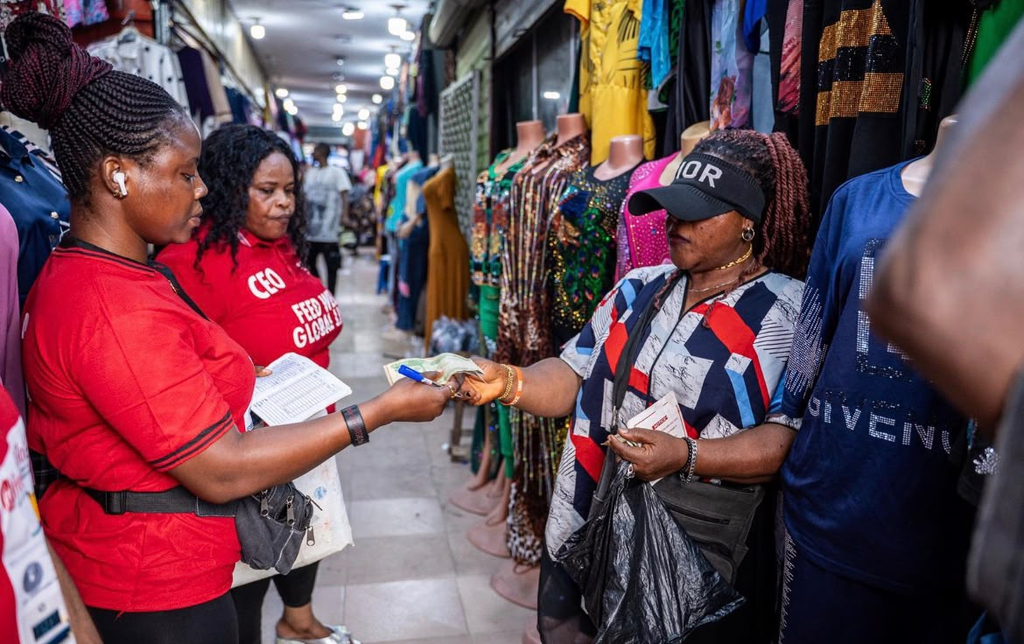
These areas are becoming increasingly important as more businesses and consumers depend on digital platforms to carry out transactions, communicate and access services.
Across West Africa, mobile money and digital payment platforms have changed how people send and receive money, while online marketplaces have created new opportunities for businesses to reach customers beyond their immediate locations.
Nigeria has been particularly prominent in this shift. Its large consumer market and established fintech ecosystem have helped position it as a major centre for digital services in the subregion. Ghana, Côte d’Ivoire and Senegal are also expanding their digital sectors.
However, the growth of the market has brought new challenges. Differences in telecommunications regulations, cybersecurity standards and digital policies across countries can make it difficult for businesses to operate seamlessly across borders.
For a technology company operating in Nigeria, for instance, expanding into Ghana or Côte d’Ivoire may involve navigating different regulatory requirements. WATRA believes closer coordination among regulators could help reduce these barriers and make cross-border digital services easier to develop.
The organisation’s working groups have completed technical reports covering key areas of the digital economy, with recommendations expected to guide regulatory decisions across member states.
The wider ambition is to create a digital environment where businesses can expand more easily, consumers are better protected and emerging technologies can develop within clearer regulatory frameworks.
While the $216 billion estimate highlights the scale of the opportunity, the next challenge for West Africa will be ensuring that this growth reaches beyond major cities and established technology companies.
Affordable internet access, reliable infrastructure, digital skills and stronger protection for online consumers will remain important to making the region’s digital expansion more inclusive.
As technology continues to reshape commerce and financial services, West Africa’s ability to build a more connected digital market could play an increasingly important role in its economic future.
TNAM