FIFA Clears Balogun for Belgium Clash After Ban Suspension Sparks World Cup Controversy
Belgium has protested FIFA's decision to suspend Folarin Balogun's automatic one-match ban, while reports of political intervention have intensified debate over fairness at the 2026 FIFA World Cup.

Belgium protests FIFA’s decision to suspend Folarin Balogun’s automatic one-match ban, as reports of political intervention ignite debate over fairness at the 2026 FIFA World Cup.
SEATTLE, United States FIFA has cleared United States striker Folarin Balogun to play in Monday’s FIFA World Cup Round of 16 clash against Belgium after suspending his automatic one-match ban, a decision that has sparked widespread controversy and drawn criticism from Belgian football officials.
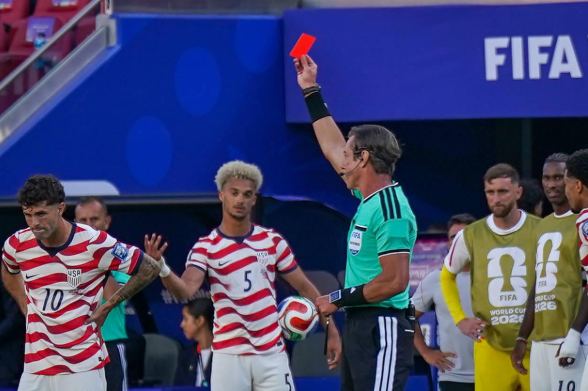
Balogun had been expected to miss the knockout fixture after receiving a straight red card during the United States’ 2-0 victory over Bosnia in the Round of 32. The dismissal, issued following a Video Assistant Referee (VAR) review for a challenge on a Bosnian defender, carried an automatic one-match suspension under FIFA’s disciplinary regulations.
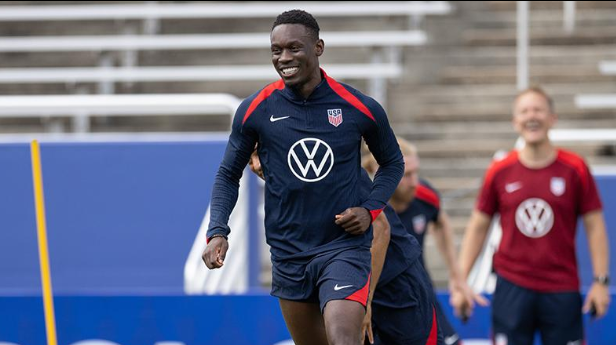
However, in a surprise announcement on Sunday, FIFA confirmed that the suspension had been placed on probation for one year, making the American forward immediately eligible to return for the crucial encounter with Belgium.
The governing body cited Article 27 of the FIFA Disciplinary Code, which allows certain sanctions to be suspended under specific circumstances. FIFA did not provide further details explaining why the provision was applied in Balogun’s case.
The decision quickly generated controversy after reports emerged that United States President Donald Trump had personally contacted FIFA President Gianni Infantino to request a review of the player’s suspension. While FIFA has not officially confirmed any political influence on the disciplinary process, the reports have intensified scrutiny over the ruling.
Trump later welcomed the outcome, describing the decision as a correction of what he believed was an unfair punishment.
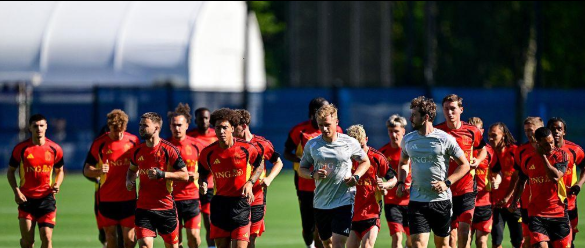
Belgium’s football authorities reacted strongly, expressing concern that the decision undermined FIFA’s own disciplinary framework. The Royal Belgian Football Association announced it was examining possible legal and sporting options, arguing that all participating teams should be treated equally under the competition’s rules.
Belgium head coach Rudi Garcia also questioned the timing of the decision, saying the unexpected reversal came just a day before the match and disrupted preparations for one of the tournament’s biggest knockout fixtures.
Goalkeeper Thibaut Courtois echoed similar concerns, noting that Belgium had prepared for the game expecting Balogun to be unavailable.
For the United States, however, the decision provides a significant boost. Balogun has been one of the team’s standout performers, scoring three goals during the tournament and playing a key role in the Americans’ progress to the knockout stage.
United States head coach Mauricio Pochettino welcomed FIFA’s ruling, maintaining that the original red card had been too severe for what he described as an accidental challenge. Team captain Christian Pulisic also praised the outcome, saying Balogun’s availability strengthens the squad ahead of one of its most important matches of the tournament.
The incident has reignited debate over transparency and consistency in FIFA’s disciplinary system, with analysts warning that controversial rulings during major tournaments can affect public confidence in the competition.
As the United States prepares to face Belgium in Seattle, attention will not only be on the football but also on the questions surrounding one of the most contentious disciplinary decisions of the 2026 FIFA World Cup.
TNAM
By Egwu Patience Nnennaya
Wednesday July 15th, 2026.