First Energy Africa Appoints Industry Veterans as African Energy Sector Adapts to Funding Shift
Industry leaders say private capital, stable governance and investor confidence will play a growing role in financing Africa's oil and gas industry as traditional lending channels continue to evolve.

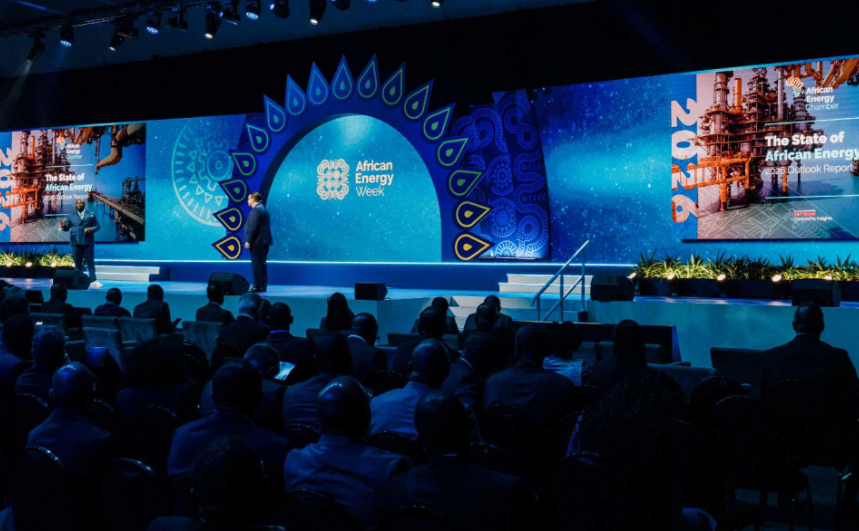
Industry leaders say political stability, investor confidence and flexible financing models will be key to unlocking Africa’s energy potential as traditional lenders reduce support for fossil fuel projects.
CALGARY, Canada, Africa’s oil and gas industry is entering a new era of investment, with companies increasingly turning to private capital, regional financial institutions and international investment funds as traditional Western lenders scale back financing for fossil fuel projects.
The shift comes as First Energy Africa Oil Corp., a Calgary-based energy company focused on Africa, announced the appointment of Simon Akit and Frederick Kozak to its Board of Directors. The company said the appointments strengthen its leadership at a time when Africa’s energy sector is adapting to a rapidly changing global investment environment.
According to the company, Simon Akit, a veteran capital markets executive, has raised more than US$5 billion in equity and debt financing throughout his career, while Frederick Kozak, a professional engineer and energy analyst with more than four decades of experience, brings extensive knowledge of African and South American resource markets.
Their appointments come as African energy companies rethink how they finance exploration and production projects amid increasing environmental policies and reduced lending from conventional financial institutions.
Despite these challenges, the African Energy Chamber estimates that Africa continues to attract approximately US$41 billion in global exploration spending, highlighting sustained investor interest in the continent’s vast oil and gas reserves.
Speaking on the changing investment landscape, Akit said energy companies have had to diversify their funding sources by engaging private investors, international investment funds and regional banks.
He noted that while access to financing has become more competitive, investment opportunities remain available for projects that demonstrate strong commercial potential and sound governance.
Akit also stressed that political certainty has become one of the most important considerations for investors.
According to him, investors increasingly want assurance that policies supporting foreign investment will remain consistent regardless of political transitions, arguing that long-term stability is now as important as the size of a country’s natural resource deposits.
Industry analysts say investors are placing greater emphasis on transparent regulations, predictable fiscal policies and institutional stability before committing billions of dollars to long-term energy projects.
Kozak echoed similar views, saying African governments can increase oil and gas production while ensuring citizens benefit from their natural resources by adopting balanced fiscal policies that encourage investment without sacrificing national interests.
He explained that countries must create competitive tax and royalty frameworks capable of attracting exploration companies while guaranteeing fair economic returns for both investors and host governments.
Kozak pointed to countries that have maintained stable investment environments as examples of how predictable policies can encourage large-scale energy development and long-term investor confidence.
Energy experts believe Africa has significant potential to expand production over the coming years, provided governments continue implementing reforms that improve the investment climate and strengthen regulatory institutions.
Industry leaders say achieving Africa’s long-term production ambitions will depend not only on the continent’s abundant natural resources but also on building trust through consistent governance, transparent regulations and investor-friendly policies.
As competition for global energy investment intensifies, analysts argue that countries capable of combining political stability with attractive investment frameworks will be best positioned to transform their natural resources into sustainable economic growth, employment opportunities and improved energy security.
TNAM
By Egwu Patience Nnennaya
Tuesday July 14, 2026.