Congo’s Cobalt Export Disruption Puts $1.1 Billion in Trade at Risk
A government customs system failure has delayed cobalt export processing for major mining companies, threatening shipments worth an estimated $1.1 billion and raising concerns over the rollout of the Democratic Republic of Congo's new export regime

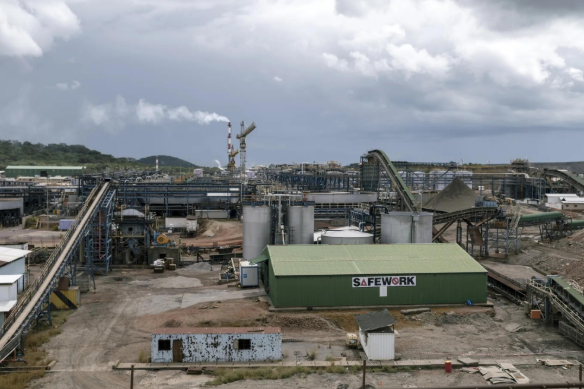
A technical failure in the Democratic Republic of Congo’s customs system has disrupted cobalt exports, threatening shipments worth an estimated $1.1 billion and raising fresh concerns over the country’s new export regime.
KINSHASA, Democratic Republic of Congo Major cobalt producers operating in the Democratic Republic of Congo (DRC) are facing growing uncertainty after a technical failure in the government’s customs processing system disrupted export procedures and placed billions of dollars’ worth of cobalt shipments at risk.
The disruption has affected leading mining companies, including Glencore and CMOC Group, which say the system failure has prevented them from completing the documentation required to secure export quotas under the country’s newly introduced cobalt export framework.
Industry estimates suggest that as much as 20,000 metric tonnes of cobalt, valued at approximately $1.1 billion, could face delays if the issue is not resolved quickly.
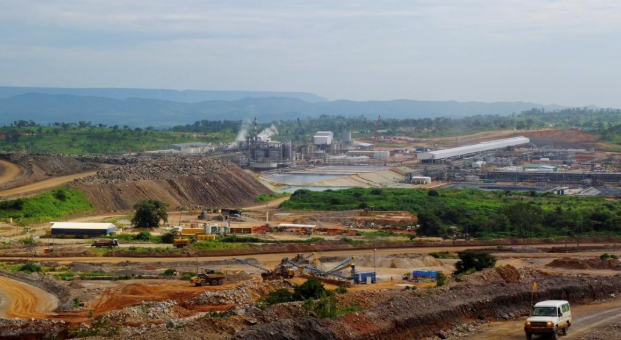
Mining companies have urged Congolese authorities to extend the July 5 compliance deadline, arguing that the delays were caused by government administrative and technical challenges rather than any failure on the part of exporters.
The Democratic Republic of Congo is the world’s largest producer of cobalt, accounting for more than 70 percent of global supply. The mineral is a critical component in the production of lithium-ion batteries used in electric vehicles, smartphones, renewable energy storage systems and other advanced technologies.
Analysts warn that prolonged export disruptions could have wider implications for global battery manufacturers and electric vehicle supply chains, many of which rely heavily on cobalt sourced from the DRC.
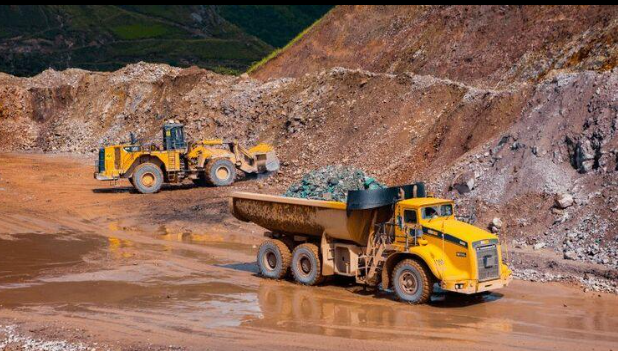
The latest setback also raises questions about the implementation of the country’s new cobalt export regime, which was introduced to improve oversight, strengthen regulation and maximise the economic value of one of the nation’s most important mineral resources.
While the reforms are intended to increase transparency and improve management of cobalt exports, mining companies say efficient digital systems are essential to ensure that regulatory changes do not unintentionally disrupt trade.
Industry experts note that the DRC remains a strategic player in the global transition to clean energy, with demand for cobalt expected to remain strong as electric vehicle production continues to expand worldwide.
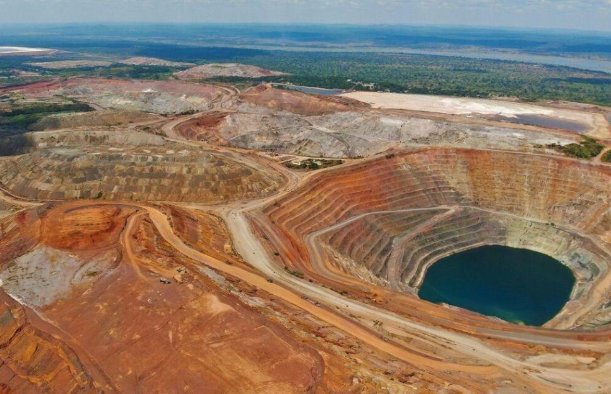
Officials have not yet announced whether the compliance deadline will be extended, but mining companies say a swift resolution is necessary to prevent supply chain disruptions, protect export revenues and maintain confidence in the country’s mining sector.
The incident highlights the growing importance of modern customs systems and efficient trade administration in resource-rich economies, particularly as competition for critical minerals intensifies globally.
With billions of dollars in exports at stake, stakeholders are urging authorities to resolve the technical issues quickly and ensure that Congo’s mining industry continues to play its pivotal role in supplying the global clean energy economy.
TNAM
By Egwu Patience Nnennaya
Tuesday June 7, 2026.