Ghana Opens Competitive 5G Market, Accelerating Digital Growth Through Telecom Infrastructure Investment Nationwide
MTN Ghana and Telecel Ghana are set to compete for new spectrum licences as the government adopts a competitive model aimed at accelerating nationwide 5G deployment, boosting investment and driving digital innovation.


The government has introduced a competitive framework for 5G deployment, aiming to expand high-speed connectivity, attract private investment and strengthen Ghana’s digital economy.
ACCRA, Ghana has taken a major step toward advancing its digital transformation agenda by opening its 5G telecommunications market to competition, a move expected to accelerate nationwide network deployment, attract fresh investment and improve access to next-generation mobile services.
The new framework allows multiple qualified telecommunications operators to participate in the rollout of 5G infrastructure, replacing a more limited market structure and encouraging greater competition across the sector. Government officials say the policy is designed to speed up the expansion of high-speed internet while creating an environment that supports innovation and long-term investment.
The Ministry of Communications, Digital Technology and Innovations said the initiative forms part of Ghana’s broader strategy to build a modern digital economy capable of supporting businesses, education, healthcare and public services through faster and more reliable connectivity.
Industry experts believe increased competition will encourage operators to invest more heavily in network infrastructure, improve service quality and offer consumers more affordable high-speed data services. Businesses are also expected to benefit from improved digital connectivity, enabling wider adoption of cloud computing, artificial intelligence, smart manufacturing and other emerging technologies.
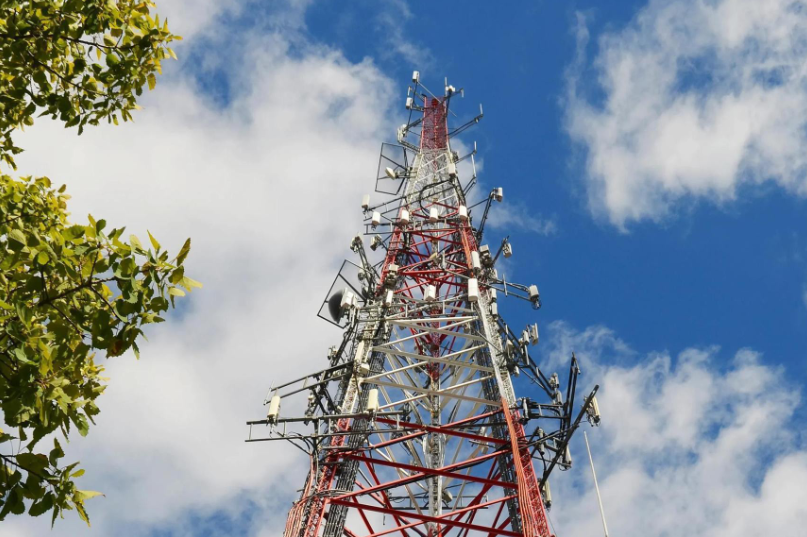
The nationwide rollout of 5G is expected to strengthen Ghana’s growing technology ecosystem by creating opportunities for startups, digital entrepreneurs and software developers to build innovative solutions that rely on faster, low-latency networks.
Analysts say the policy could also enhance Ghana’s attractiveness to international technology investors, particularly as demand for advanced digital infrastructure continues to grow across Africa.
Beyond improving mobile connectivity, the expansion of 5G infrastructure is expected to support economic growth by creating jobs in telecommunications, engineering, construction and digital services while encouraging greater private sector participation in the country’s ICT sector.
Government officials have reiterated that expanding digital infrastructure remains a national priority as Ghana works to improve internet access, strengthen digital inclusion and position itself as one of West Africa’s leading technology hubs.
As African countries continue investing in next-generation telecommunications networks, Ghana’s decision to open its 5G market to competition is viewed as a significant milestone that could accelerate innovation, increase investment and strengthen the country’s long-term digital competitiveness.
TNAM
By Egwu Patience Nnennaya
Wednesday July 15, 2026.