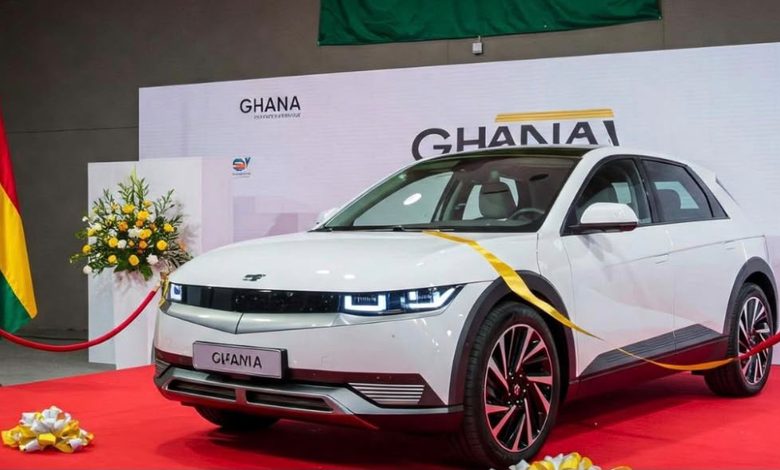
Accra, Ghana is positioning itself to become a leading electric-mobility hub in Africa as the government pushes ahead with policies, charging infrastructure and local manufacturing aimed at accelerating the adoption of electric vehicles (EVs).
The country already has one of Africa’s largest electric-vehicle fleets, with about 17,000 EVs reported on its roads. But Ghana wants to go beyond importing electric cars and build an ecosystem capable of supporting local assembly, maintenance, charging infrastructure and eventually component manufacturing.
The ambition is backed by Ghana’s National Electric Vehicle Policy, launched in 2023. The policy sets out a phased transition, with the 2024–2026 period focused on removing barriers and building the necessary foundations. From 2027 to 2035, the country aims to accelerate EV adoption, with a target of about 35 per cent EV penetration by 2035. The final phase is designed to ensure that, by 2045, no new petrol or diesel vehicles are sold or imported into Ghana.
Building the infrastructure
One of Ghana’s biggest challenges is ensuring that drivers have somewhere to charge.
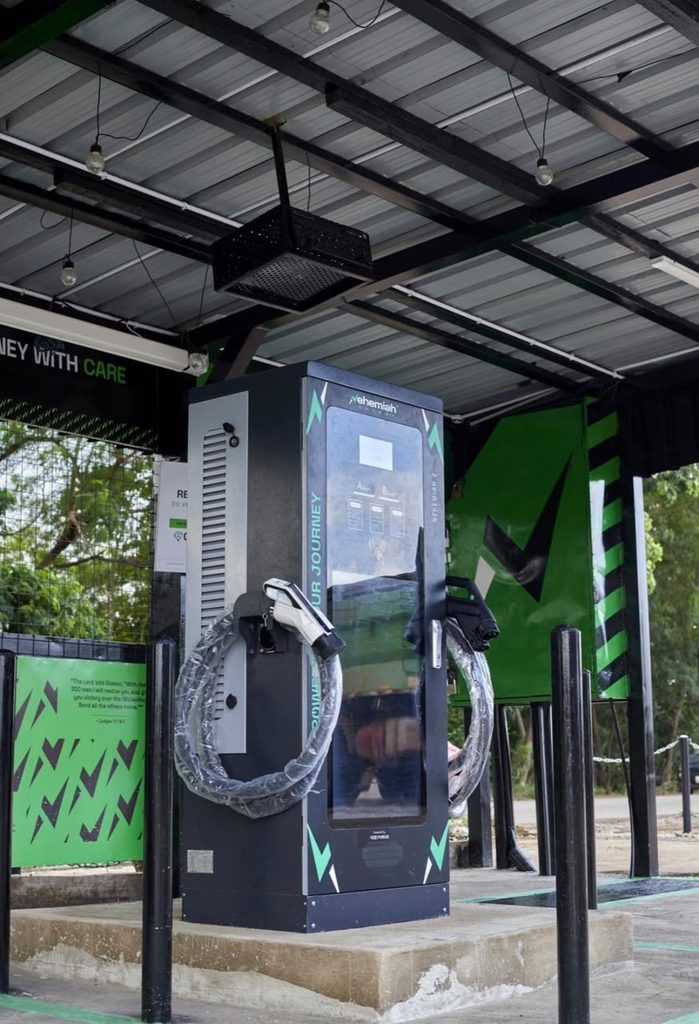
The Energy Commission has been working on regulations covering charging stations and battery-swapping facilities. The proposed framework covers residential, commercial and workplace charging, as well as safety requirements, licensing and technical standards.
The government is also encouraging the use of solar-powered charging infrastructure, linking the EV transition to the country’s wider renewable-energy ambitions. Ghana’s Energy Commission says its Drive Electric Initiative is intended not only to encourage cleaner transportation but also to promote productive use of electricity and prevent the country from becoming a dumping ground for outdated internal-combustion vehicles.
Local manufacturing is part of the plan
For Ghana, the EV ambition goes beyond cleaner roads.
The government wants the transition to create a new industrial opportunity from vehicle assembly and battery technology to charging equipment, spare parts and technical services.
The Ministry of Energy and Green Transition has said Ghana wants to develop electric vehicles suited to African roads and build a domestic industry spanning components through to final assembly.
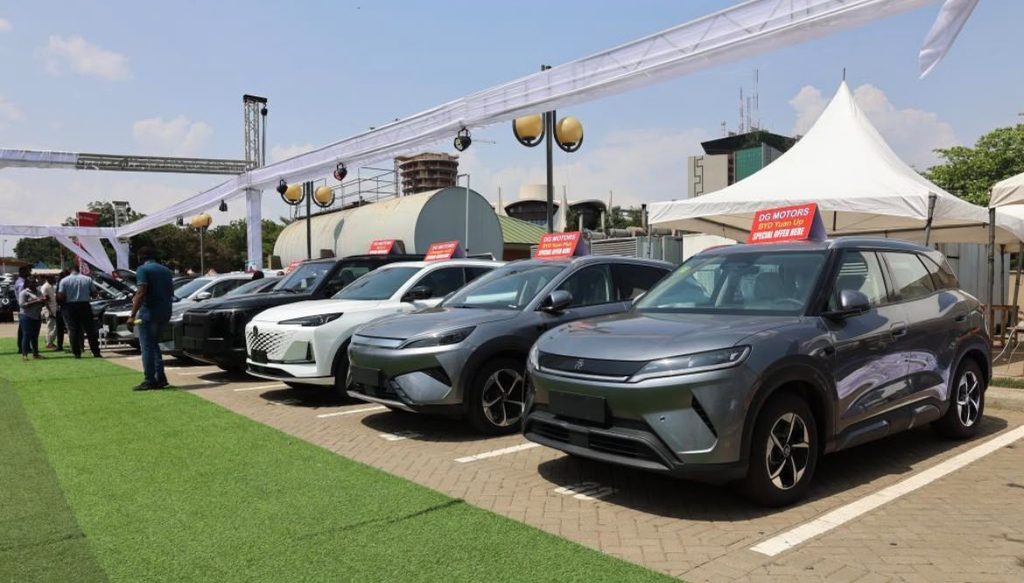
Local companies are already participating in the emerging market. SolarTaxi has worked on assembling electric two- and three-wheelers, buses and compact vehicles, while Kofa has developed electric motorcycle and battery-swapping solutions. Chinese manufacturers have also become important partners in Ghana’s growing EV ecosystem.
Despite the ambition, Ghana’s EV revolution faces a major obstacle: cost.
A March 2026 Ghana Clean Transportation Outlook found that high upfront prices, limited financing and uncertainty around electricity tariffs are slowing the transition. EVs can face a higher effective tax burden than conventional vehicles, while financing remains expensive because of high interest rates and short loan periods.
The report also highlighted the absence of a dedicated electricity tariff for EV charging. Charging operators can therefore face commercial electricity rates, potentially reducing the financial advantage of switching from petrol or diesel.
Industry stakeholders are consequently pushing for measures such as reduced or eliminated import duties on EVs, financing schemes and incentives for renewable-powered charging stations.
Two- and three-wheelers could lead the transition
Interestingly, Ghana’s EV revolution may not begin with luxury electric cars.
The Ghana Clean Transportation Outlook identifies electric motorcycles and tricycles as one of the country’s most promising opportunities. Their high usage among commercial operators makes battery-swapping and battery-as-a-service models particularly attractive.
This could also create opportunities for local assembly, servicing and component manufacturing while lowering operating costs for transport and delivery businesses.
Preparing workers for a new automotive industry
The transition will also require Ghana to retrain thousands of mechanics whose expertise is currently centred on petrol and diesel vehicles.
Ghanaian lawmakers have warned that the shift could disrupt traditional automotive jobs if mechanics are not equipped with new skills. At the same time, they argue that EVs could create new employment opportunities in battery technology, electronics, charging infrastructure, software and electric-vehicle maintenance if the workforce is properly prepared.
That makes skills development an important part of Ghana’s EV strategy.
A race for Africa’s green economy
Ghana’s electric-vehicle ambitions come as countries across Africa compete to attract investment into the continent’s emerging green economy.
For Ghana, the opportunity extends beyond reducing emissions. The country wants to use its renewable-energy potential, growing automotive sector and mineral resources to participate in the global electric-vehicle supply chain.
But turning ambition into an EV revolution will require more than policy announcements. Ghana will need affordable vehicles, reliable electricity, widespread charging networks, skilled technicians, accessible financing and strong local manufacturing.
TNAM