Burkina Faso Approves More Than 18 Traditional Medicines in Push for African Health Sovereignty

Burkina Faso is stepping up efforts to integrate traditional African medicine into its formal healthcare system, with more than 18 traditional medicines now approved and recognised for use across the country.
The move marks a significant development in the West African country’s effort to strengthen its health sovereignty by combining indigenous medical knowledge with scientific research, regulation and modern healthcare practices.
The announcement was made by Dr Mariam Bagagnan, Director of Traditional and Alternative Medicine, during Burkina Faso’s 14th National Week of Traditional and Alternative Medicine, held from August 31 to September 5, 2026, in Manga, in the Nazinon region.
According to Bagagnan, more than 18 traditional medicines have so far been approved and recognised for use in Burkina Faso. The development is particularly significant in a country where more than 80 per cent of the population relies on traditional medicine practices, according to the Ministry of Health.
The government says the formal recognition of traditional medicines is part of a broader effort to bring a widely used but historically informal sector under stronger regulation.
From traditional knowledge to regulated medicine
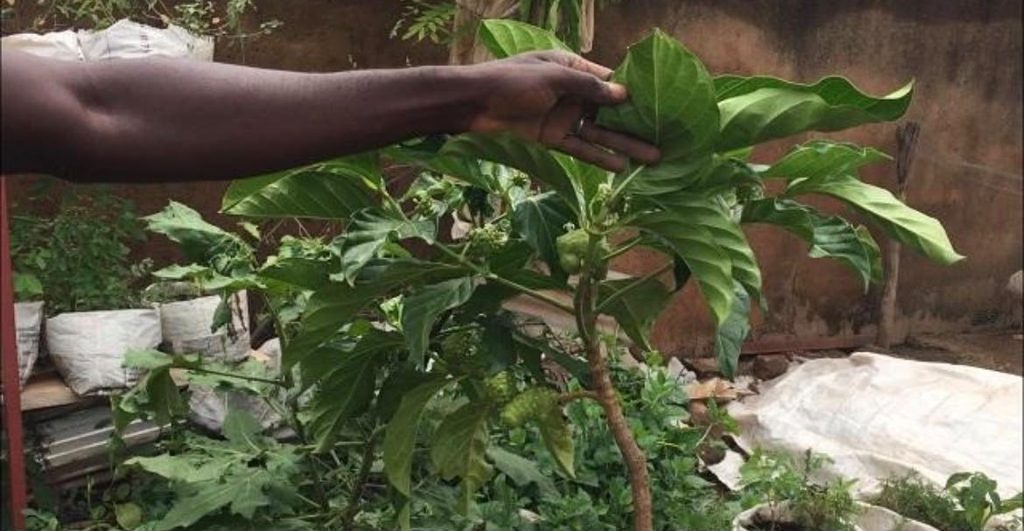
Traditional medicine has long played an important role in healthcare across Burkina Faso, with knowledge about medicinal plants and treatments passed down through generations.
Rather than treating these practices as separate from the formal health system, authorities are now seeking to establish stronger standards around them.
Dr Bagagnan stressed that the authorisation of traditional medicine practitioners, approval of traditional medicines and evaluation of their effectiveness and safety are essential to protecting patients.
The approach is designed to ensure that traditional products used by the public are not simply accepted because they are culturally familiar, but are subjected to appropriate standards of quality, safety and efficacy.
Burkina Faso’s health authorities have also recognised the need for stronger collaboration between traditional practitioners, researchers and conventional healthcare professionals.
Building a health system around African knowledge
The latest development is part of a wider government strategy to make traditional and alternative medicine a component of Burkina Faso’s pursuit of health sovereignty.
The theme of this year’s National Week of Traditional and Alternative Medicine was:
“Introduction of improved traditional medicines into national guidelines for the management of diseases in Burkina Faso: challenges and opportunities for achieving health sovereignty.” (Burkina Faso Government)
The theme reflects the government’s intention to move beyond simply recognising traditional medicine and explore how scientifically evaluated traditional treatments could eventually be incorporated into national healthcare guidelines.
This does not mean Burkina Faso is replacing modern medicine with traditional medicine. Instead, authorities are advocating a complementary approach in which indigenous knowledge can be researched, evaluated and regulated alongside conventional healthcare.
A sector already widely used
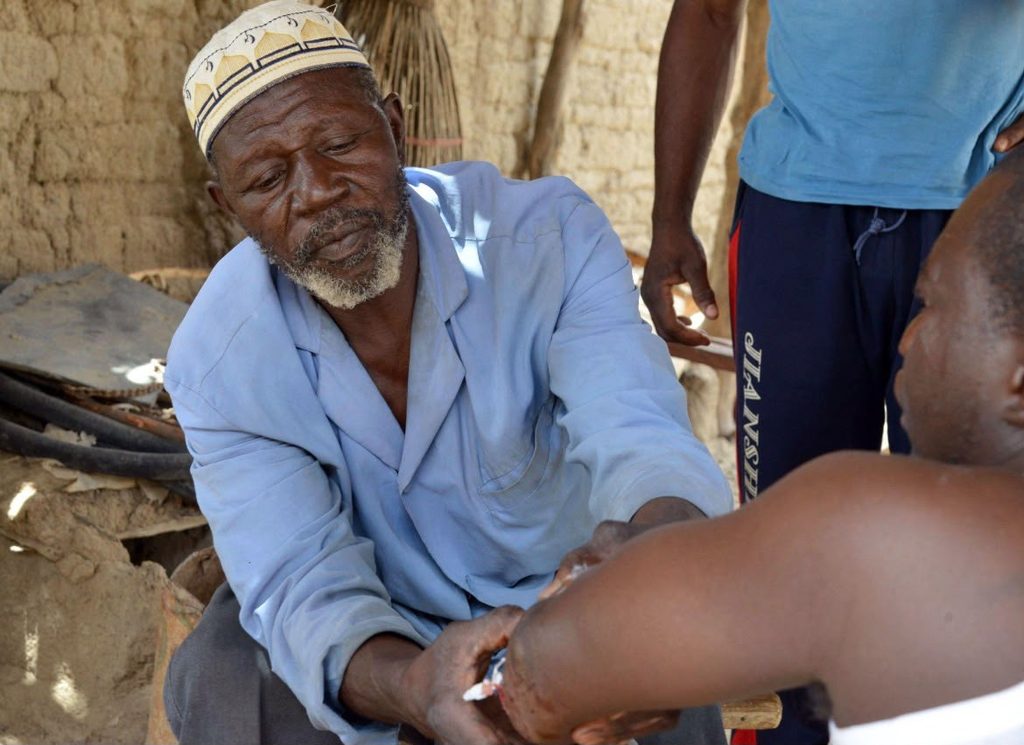
The push comes against the backdrop of widespread reliance on traditional medicine in Burkina Faso.
The country’s authorities say more than 80 per cent of the population uses traditional medicine, making regulation increasingly important as millions of people already depend on these practices as part of their healthcare journey.
The country also has a formal regulatory framework for traditional medicine practitioners and products. Burkina Faso’s National Agency for Pharmaceutical Regulation maintains rules governing the practice of traditional medicine, including procedures relating to practitioner authorisation and the evaluation of traditional medicine products. (ANRP)
Officials therefore see the approval of traditional medicines as both a public-health measure and an opportunity to preserve and develop indigenous knowledge.
Research takes centre stage
The government’s strategy also places considerable emphasis on research.
The 2026 National Week brought together more than 1,000 traditional and alternative medicine practitioners, 80 researchers and 150 exhibitors, with around 7,000 visitors expected.
The government said the gathering was intended to encourage the sharing of good practices among practitioners and contribute to improving the quality of care and satisfaction of healthcare users. (Burkina Faso Government)
This emphasis on research is crucial. While traditional remedies may have been used for generations, official recognition requires more than historical use. Establishing their safety, effectiveness, appropriate dosage, production standards and possible interactions with other medicines is essential if such products are to become part of a modern healthcare system.
Burkina Faso’s decision could have implications beyond its borders.
Across Africa, traditional medicine remains an important source of healthcare for millions of people, while many countries continue to face challenges involving access to medicines, pharmaceutical costs and dependence on imported health products.
Developing and scientifically evaluating medicines derived from locally available resources could give African countries another tool for improving healthcare access while protecting indigenous knowledge.
For Burkina Faso, the ambition goes beyond preserving tradition. It is about transforming knowledge that has been passed from generation to generation into a more organised, regulated and potentially research-driven component of national healthcare.
The government has made health sovereignty a central part of this agenda, seeking a system in which African knowledge can contribute to healthcare without compromising scientific standards or patient safety.
The approval of more than 18 traditional medicines represents an important milestone, but it is only one part of a much larger process.
The effectiveness of the initiative will ultimately depend on how successfully Burkina Faso can maintain rigorous standards, monitor approved products, strengthen research and ensure that traditional medicine practitioners operate within clear regulations.
If those systems are strengthened, Burkina Faso could provide an example of how an African country can preserve indigenous medical knowledge while subjecting it to modern scientific and regulatory standards.
For a country where traditional medicine is already deeply embedded in everyday healthcare, the message from the government is clear: African medical knowledge should not simply remain part of the past. It can also have a place in the future of healthcare.
TNAM