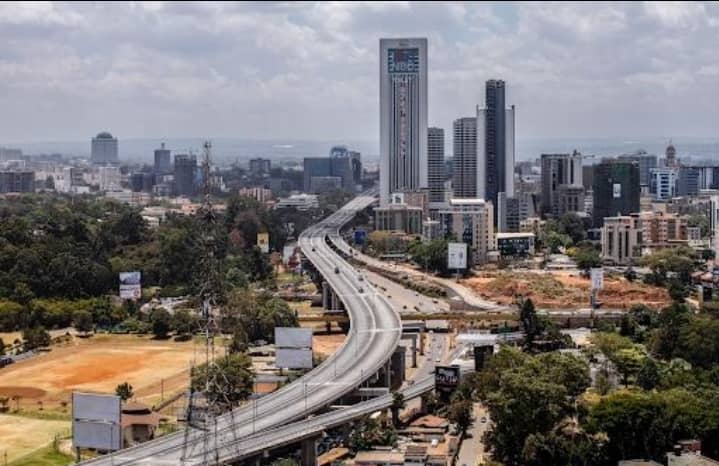
Africa’s urban future is being shaped now, and the decisions being made about its cities will have consequences far beyond roads and buildings.
The continent’s urban population is projected to reach 1.4 billion by 2050, according to UN-Habitat’s State of African Cities Report 2026. The report also estimates that more than half of the urban infrastructure Africa will need in the future has yet to be built.
That creates a challenge, but it also presents an enormous opportunity: African cities have the chance to build differently, using technology and better planning to create urban centres that are more productive, connected, resilient and inclusive.
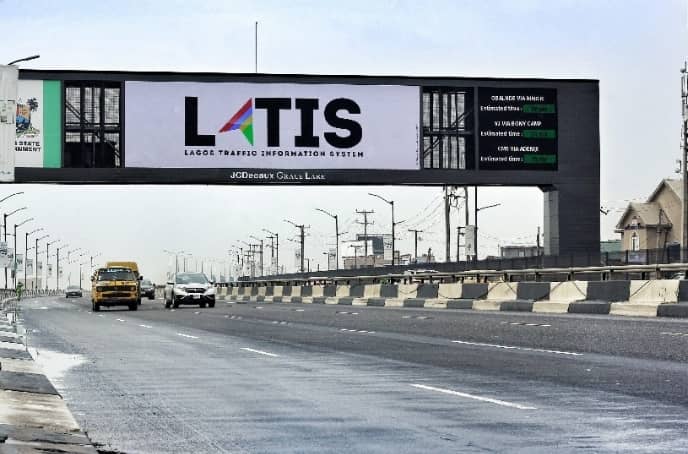
A smart city, however, is not simply a city filled with cameras, sensors and expensive digital systems. At its core, it is about using data, technology and better infrastructure to make everyday life work better for citizens.That could mean using digital systems to manage traffic, improving public transport, monitoring water and electricity networks, expanding digital payments, using data to respond to flooding or making government services accessible without requiring residents to spend hours in physical offices. The need for such solutions is becoming increasingly urgent as African cities expand.
In July 2026, the World Bank highlighted the very practical cost of inadequate urban infrastructure in Ibadan, Nigeria, noting that families can spend substantially more on basic services such as water, electricity and transportation because of weaknesses in existing infrastructure. The Bank also noted that urban households across Africa can pay 20–31% more for goods and services than residents of other developing cities because African cities often lack sufficient infrastructure connections and efficient urban form.
This is where the idea of the smart city becomes more than a technology trend.Technology can help cities understand where infrastructure is failing, identify areas experiencing congestion, improve emergency response and make public services more accessible. But the technology has to be supported by physical infrastructure, effective governance and investment.Africa is already beginning to move in this direction.In Nigeria, the African Development Bank approved $200 million in April 2026 for the Digital Value Chain Infrastructure for Boosting Employment project. The initiative is designed to expand the country’s fibre backbone from roughly 30,000 kilometres to about 120,000 kilometres, with the ambition of connecting all 774 Local Government Areas to high-speed broadband, including schools, health facilities, agro-industrial zones, rural communities and commercial centres.
That kind of infrastructure is fundamental to the smart-city transition. Without reliable connectivity, applications such as digital public services, intelligent transport systems, online education, telemedicine, smart utilities and data-driven businesses cannot operate at scale.The African Development Bank says its investments in ICT infrastructure between 2015 and 2024 helped provide basic ICT access to 66.5 million Africans.
In the Central African Republic, for example, a fibre project involving approximately 900 kilometres of fibre helped increase internet penetration from 2.2% to 30% and reduced the cost of internet data by 67%, according to the Bank.
The transformation is also taking place beyond connectivity.In Uganda, the World Bank approved a $540 million urban development programme in 2026 covering 10 cities, 26 municipalities and 13 refugee-hosting districts. The six-year programme is expected to directly benefit approximately 5.6 million people through investments in roads, drainage, street lighting, public markets and other urban infrastructure, while also creating jobs and improving climate resilience.
South Africa provides another example of the scale of investment required. In 2025, the African Development Bank approved a ZAR 2.5 billion loan, approximately $139 million, for the City of Johannesburg to strengthen electricity, water, sanitation and solid-waste infrastructure. The project is expected to benefit more than six million residents and create thousands of jobs during construction.
These projects point to an important reality about Africa’s smart-city ambitions: smart infrastructure must ultimately improve the lives and economic opportunities of ordinary people. A city cannot be considered truly smart if its technology does not help a trader reach customers faster, a student access education, a hospital respond to patients, a business operate more efficiently or a family access reliable water and electricity. The opportunity is particularly important for Africa’s young population.As more young Africans move into cities and seek employment, cities will increasingly become centres of entrepreneurship, innovation and investment. Digital infrastructure can provide the foundation for new businesses, while data and artificial intelligence could create entirely new ways of delivering public and private services. The African Development Bank has estimated that inclusive deployment of artificial intelligence could generate up to $1 trillion in additional GDP for Africa by 2035, demonstrating the potential economic value of combining the continent’s growing digital capacity with emerging technologies.
But Africa’s smart-city transformation will require more than government spending.It will require partnerships between governments, technology companies, financial institutions, investors, universities, infrastructure developers and young innovators. Private capital will be particularly important because the scale of infrastructure required cannot be addressed by public funding alone.
The African Development Bank has itself stressed the importance of public-private partnerships and investment strategies in accelerating digital transformation across the continent.
For Africa, the smart city is therefore not simply about becoming more technologically advanced. It is about creating cities capable of supporting businesses, generating employment, attracting investment and providing citizens with better services as populations continue to grow. The continent has an opportunity to avoid simply copying urban models developed elsewhere. Instead, African cities can develop solutions around their own realities from mobile-based services and digital payments to renewable energy, climate-resilient infrastructure, smart transport and locally developed technology. That conversation is becoming increasingly important as Africa considers what its next generation of cities should look like.
The New Africa Youth Economic Summit & Honours 2026, themed “Building Africa’s Future Through Innovation, AI, Youth Enterprise & Strategic Partnerships,” provides a platform for that conversation, bringing together young entrepreneurs, investors, policymakers, innovators and development stakeholders around the practical issues shaping Africa’s economic future.The future of Africa’s cities will not be built by technology alone. It will be built through ideas, investment, infrastructure and partnerships capable of turning technology into solutions that people can actually feel in their everyday lives.
The New Africa Group invites organisations, investors, technology companies, development partners and institutions committed to Africa’s transformation to partner with the New Africa Youth Economic Summit & Honours 2026 and contribute to the conversation on building smarter, more productive and inclusive African cities.
Register for the New Africa Youth Economic Summit & Honours 2026:https://forms.gle/9AzcoyauvZnaJpmZ6
TNAM
By Egwu Patience Nnennaya
Tuesday August 11th, 2026.