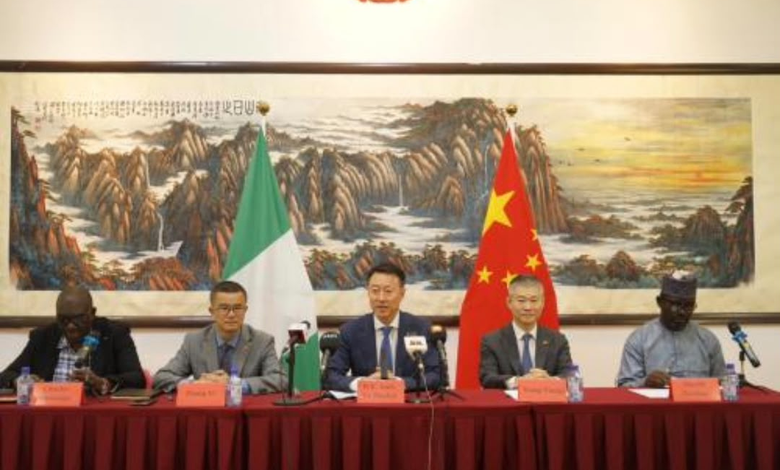
Trade between Nigeria and China reached $18 billion in the first half of 2026, marking a 35 per cent increase from the same period last year as both countries move to expand cooperation in trade, investment, technology, energy and industrialisation.
Chinese Ambassador to Nigeria, Yu Dunhai, disclosed the figure at a reception in Abuja marking the 77th anniversary of the founding of the People’s Republic of China.
According to Dunhai, Chinese imports from Nigeria rose by 81 per cent during the first six months of the year, highlighting stronger demand for Nigerian products in the Chinese market.
The growth comes as China’s new zero-tariff policy for products from 53 African countries, including Nigeria, creates wider access for African exporters. The policy took effect on May 1, 2026.
Earlier figures released by Nigerian and Chinese officials put Nigerian exports to China at about $2.3 billion during the first half of the year, representing an increase of roughly 80 per cent.
New Market Access for Nigerian Products
The expanding trade relationship is also being supported by new market-access agreements.
Nigeria and China recently concluded an Aquatic Products Protocol after almost five years of negotiations. The agreement gives eligible Nigerian aquatic products zero-tariff access to China’s market of about 1.4 billion consumers.
Nigerian officials say the arrangement could create new opportunities for exporters, increase foreign-exchange earnings and support businesses involved in fishing, aquaculture, processing and related services.
The Nigeria Agricultural Quarantine Service has also said it is working with stakeholders to support implementation of the protocol and help Nigerian exporters meet the required international standards.
Dunhai said Nigeria and China have room to deepen cooperation beyond traditional trade, particularly in industrialisation, digital technology, green development and the blue economy.
China is also looking to align its 15th Five-Year Plan with areas of Nigeria’s development agenda, while encouraging greater cooperation in emerging technologies including artificial intelligence and digital payments.
Nigeria’s Minister of Power, Joseph Tegbe, has similarly called for stronger cooperation that translates rising trade into increased Nigerian production and exports.
He identified electricity, renewable energy and local manufacturing of power equipment as areas where both countries could expand cooperation, while stressing the importance of developing Nigerian technical skills and strengthening local businesses.
Nigeria and China recorded about $28 billion in bilateral trade during 2025, meaning the $18 billion recorded in the first six months of 2026 already represents a substantial share of the previous year’s total.
The latest figures point to a rapidly expanding commercial relationship, with the next challenge being how effectively Nigerian businesses can use increased access to the Chinese market to expand production, add value locally and grow exports.
TNAM