Ghana Plans New Trade Corridor to Burkina Faso With $200m IFC Backing

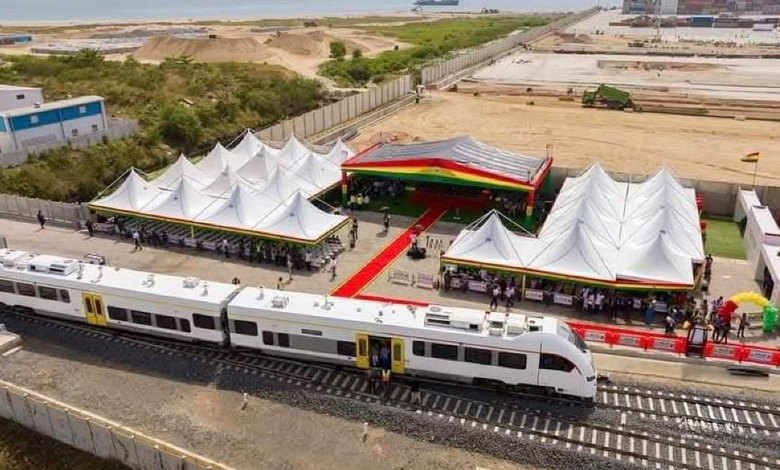
Ghana is moving to open a new trade route to Burkina Faso and other landlocked Sahelian markets, with the International Finance Corporation agreeing to provide $200 million to help link the country’s railway network with the Volta Lake.
The proposed corridor would combine rail, inland water transport and road networks, creating a new route for moving goods from Ghana’s southern ports towards northern Ghana and neighbouring Sahelian countries.
The financing was announced by Ghanaian President John Dramani Mahama on September 21 during the closing of the Accra Reset high-level event on the sidelines of the United Nations General Assembly in New York.
According to Mahama, IFC Managing Director Makhtar Diop disclosed the financing during the event.
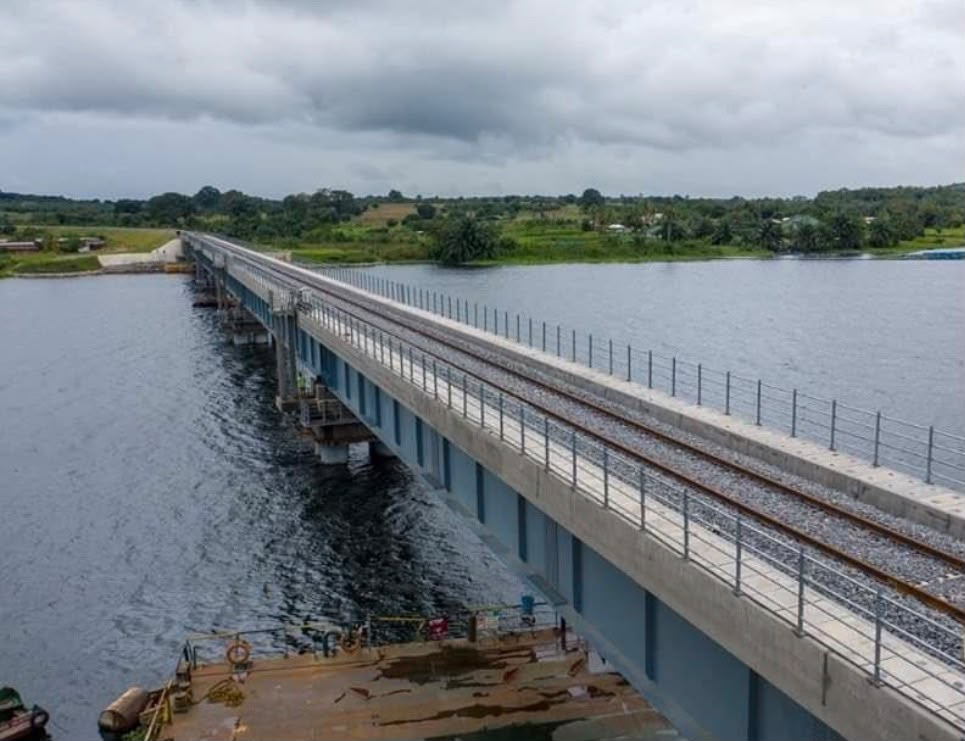
The project centres on a missing section of railway infrastructure near the Volta Lake. Diop said the railway is currently about seven kilometres short of the lakeshore, preventing a direct connection between the rail network and the inland waterway.
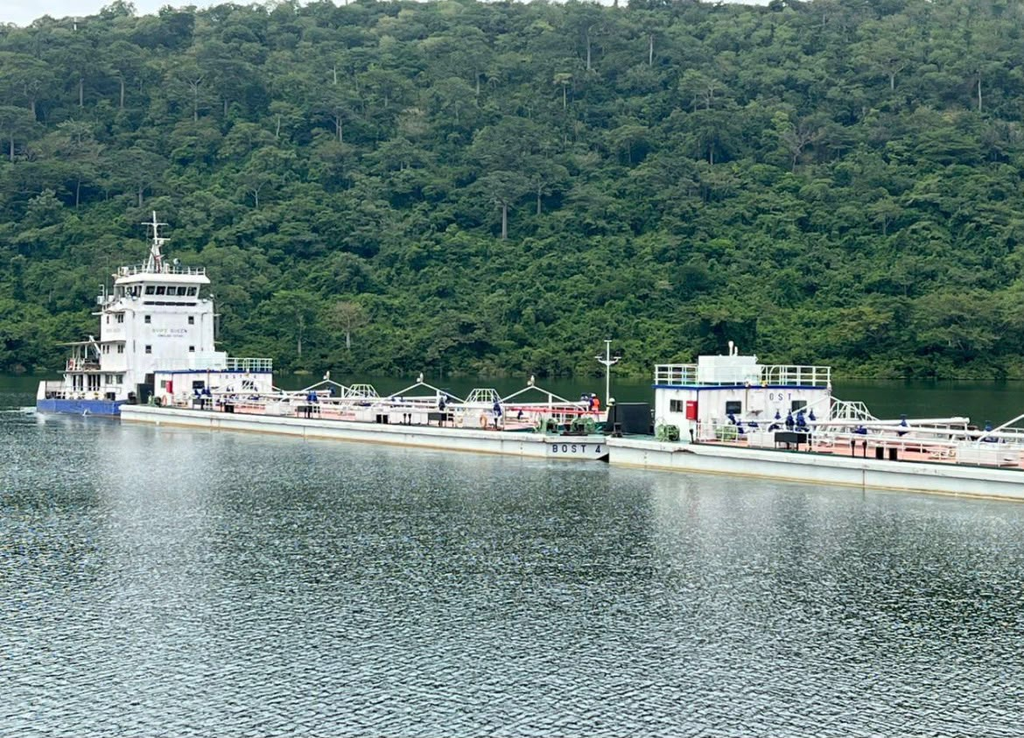
The proposed financing would help complete the remaining rail section, provide electricity infrastructure at the lakeshore, dredge the waterway and introduce three barges to transport goods northwards.
A new route towards the Sahel
The planned corridor is expected to connect Ghana’s southern transport infrastructure with northern Ghana and eventually with Burkina Faso and other Sahelian states.
Goods arriving through Ghana’s ports could be moved by rail towards the Volta Lake, transferred onto barges and transported further north before continuing by road to their final destinations.
The approach would give landlocked countries another route to the coast while reducing the reliance on long-distance road transport.
For Burkina Faso, which does not have direct access to the sea, reliable connections to coastal ports are particularly important for importing and exporting goods.
Ghana has increasingly sought to position its ports and transport infrastructure as gateways for the landlocked countries of the Sahel.
Why the Volta Lake matters
The project also represents a renewed effort to turn the Volta Lake into a major commercial transport route.
The lake is one of the world’s largest artificial lakes by surface area, but its potential as a large-scale freight corridor has remained relatively underdeveloped.
Ghanaian authorities have been working to change that by developing infrastructure that can allow cargo to move between rail, water and road networks.
A key part of that plan is the Mpakadan area, where Ghana has been developing facilities to support the transfer of cargo between the railway and barges operating on the Volta Lake.
The country’s Transport Ministry has said the multimodal system could help move containers from the port of Tema by rail to Mpakadan, transfer them onto barges and transport them towards Buipe before continuing by road towards northern Ghana and neighbouring countries.
The trade opportunity
The proposed corridor comes as African countries seek to increase trade with one another under the African Continental Free Trade Area (AfCFTA).
AfCFTA Secretary-General Wamkele Mene, speaking at the same Accra Reset event, said recorded intra-African trade reached about $220 billion in 2024, while noting that significant informal cross-border trade is not captured in official figures.
But the cost of moving goods remains one of the major obstacles to deeper regional trade.
A new rail-and-water route could help reduce some of those costs by allowing heavy cargo to travel longer distances by rail and inland waterways instead of relying entirely on trucks.
It could also reduce pressure on Ghana’s road network and potentially improve the movement of goods between the country’s ports, northern regions and Sahelian markets.
Ghana’s wider logistics push
The proposed corridor is part of a broader effort by Ghana to strengthen its transport infrastructure and attract more regional cargo.
The country has already developed the Tema-Mpakadan railway, providing a rail connection towards the Volta Lake. The remaining link to the lakeshore is now one of the key pieces needed to create a fully connected rail-and-water freight system.
If the proposed investment is implemented, the corridor could eventually operate as:
Tema Port → Rail → Mpakadan → Volta Lake → Buipe → Road → Northern Ghana → Burkina Faso and the Sahel.
That would create a multimodal route stretching from Ghana’s coast into the interior of West Africa.
More than a transport project
For Ghana, the project is about more than building another railway connection.
The country is seeking to turn its existing infrastructure into a regional logistics network capable of serving markets beyond its borders.
For Burkina Faso and other landlocked Sahelian economies, the development could provide an additional route to international markets.
For businesses, the potential benefit lies in having more options for moving goods across the region.
But the $200 million commitment is an important financing step rather than the completion of the corridor. Construction of the remaining rail connection, dredging, lakeside infrastructure and deployment of the barges will still be required before the route can operate as a fully integrated freight corridor.
If those elements are delivered, Ghana could turn the Volta Lake into a major link between the Gulf of Guinea and the Sahel, giving West African trade a new route for moving goods across borders.
TNAM