The Dakar 2026 Youth Olympic Games have brought young athletes from across the world to Senegal, marking a historic moment for African sport and placing the continent at the centre of the global Olympic movement.
For the first time in Olympic history, an Olympic sporting event is taking place on African soil. Senegal has made history as host of the 2026 Youth Olympic Games, welcoming thousands of young athletes from around the world to Dakar for an international celebration of sport, culture and youth talent.
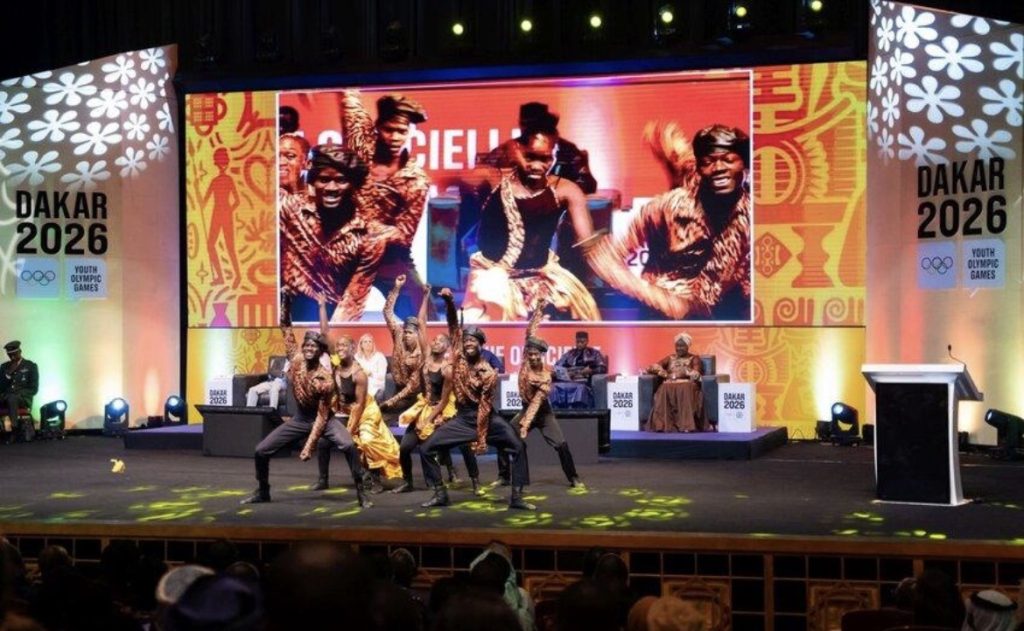
The Games officially opened on October 31, 2026, with a colourful opening ceremony at the Abdoulaye Wade Stadium in Diamniadio, a city located approximately 30 kilometres from Senegal’s capital, Dakar.
The ceremony brought together athletes, international sporting officials, government representatives and spectators for an evening that celebrated not only the Olympic spirit but also Africa’s cultural identity and creativity.
More than 1,100 performers, including hundreds of dancers, participated in the spectacular event, using music, dance and storytelling to showcase the continent’s heritage and its aspirations for the future.
Senegalese President Bassirou Diomaye Faye officially declared the Games open, while International Olympic Committee President Kirsty Coventry welcomed the young competitors and recognised the significance of bringing the Olympic movement to Africa for the first time.
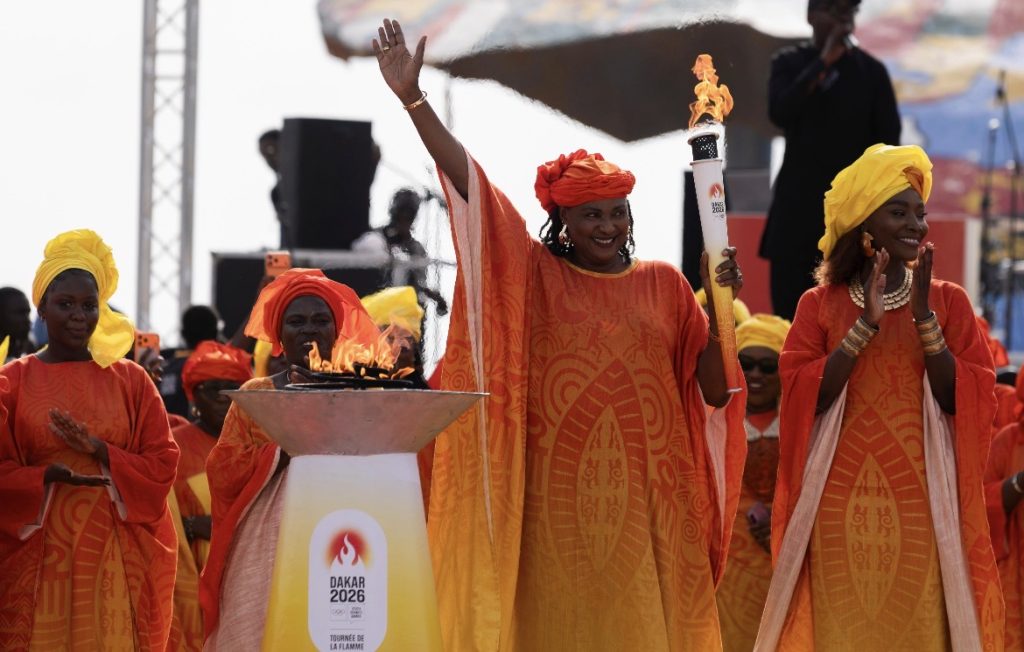
More Than 2,600 Young Athletes Gather in Senegal
The Dakar 2026 Youth Olympic Games are bringing together approximately 2,700 athletes aged between 14 and 17, representing more than 200 National Olympic Committees.
The competition runs from October 31 to November 13, with sporting activities taking place across three host locations: Dakar, Diamniadio and Saly.
Young athletes are competing in 25 sports, with 153 medal events scheduled throughout the Games. The programme includes athletics, swimming, basketball, football, wrestling, cycling, fencing and several other sporting disciplines.
Some of the competitions also introduce different formats and sports that reflect the changing interests of younger generations. These include Baseball5, beach wrestling, futsal, skateboarding and wushu.
The Games also feature the Youth Refugee Olympic Team, providing young athletes affected by displacement with an opportunity to compete on an international stage.
Another important feature is the commitment to gender equality, with the competition designed to provide equal opportunities for young male and female athletes.
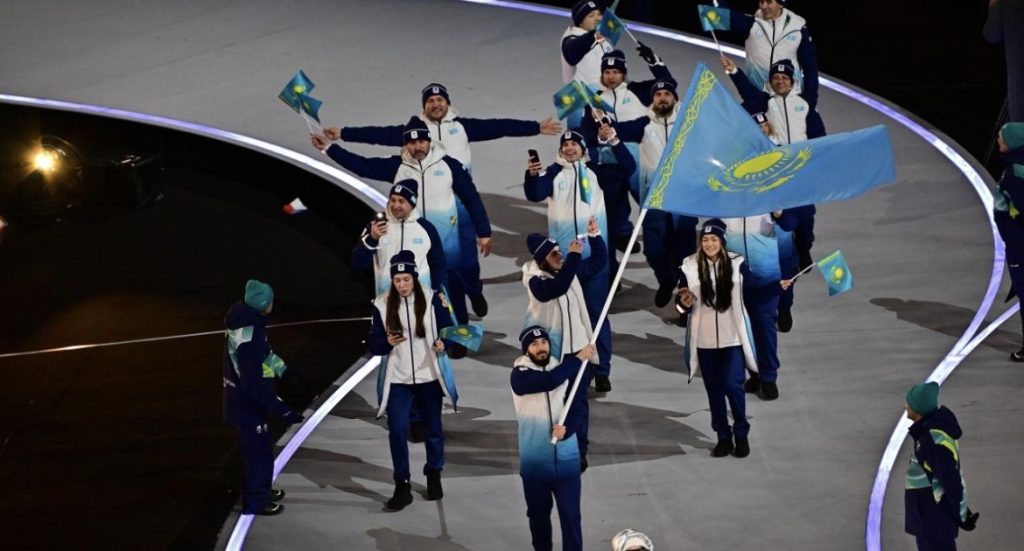
An Opening Ceremony That Celebrated Africa
Beyond the sporting competitions, the opening ceremony was an opportunity for Senegal to introduce the world to its culture and traditions.
The performances drew inspiration from African history, identity and the relationship between generations. Through music, dance and visual storytelling, the ceremony explored the connection between Africa’s past, present and future.
Senegal’s famous tradition of Teranga, a Wolof word associated with hospitality and generosity, was central to the celebration.
The evening also featured Senegalese cultural performances and appearances by prominent personalities, reflecting the country’s pride in hosting an event of international significance.
One of the most memorable moments came when Senegalese young sporting talents jointly lit the Youth Olympic cauldron, officially marking the beginning of the Games.
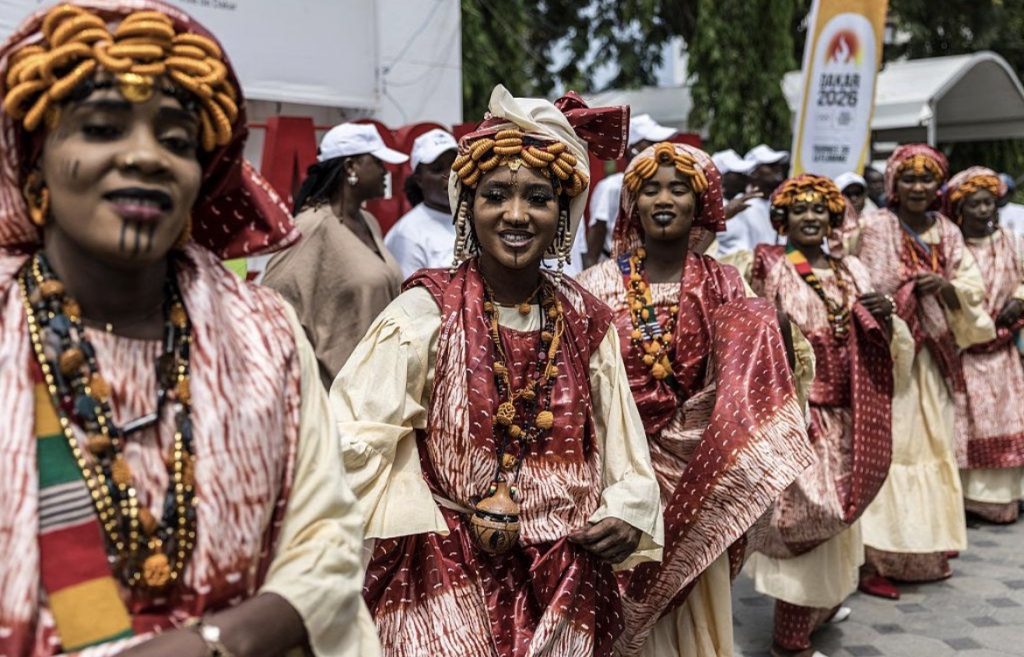
What This Means for African Sport
Hosting the Youth Olympic Games represents an important milestone for Africa, a continent with an enormous population of young people and a growing pool of sporting talent.
For many years, African athletes have competed successfully at international sporting events, winning medals and representing their countries across different disciplines. However, the continent had never hosted an Olympic sporting event until now.
Dakar 2026 changes that.
Beyond the competitions, the event provides Senegal with an opportunity to strengthen its sporting infrastructure, develop local expertise, create opportunities for young people and demonstrate its ability to organise major international sporting events.
Thousands of volunteers have also been involved in preparations, while local businesses and service providers have opportunities to participate in activities connected to the Games.
The event could also encourage greater investment in youth sports development, training facilities and sporting programmes across the continent.
Senegal’s achievement goes beyond being the host of another international sporting competition. It represents a moment in which Africa is welcoming the world on its own soil, with its young people, culture and sporting ambitions taking centre stage.
For the young athletes competing in Dakar, the Games offer an opportunity to test their abilities, meet competitors from different countries and take another step towards their sporting dreams.
For Africa, it is an opportunity to showcase the continent’s capacity, celebrate its young talent and strengthen its place in international sport.
As the competitions continue until November 13, Dakar is not simply hosting young athletes. It is giving the next generation of sporting talent a stage and creating a historic chapter in Africa’s relationship with the Olympic movement.
TNAM