Burkina Faso Introduces Six-Hour Molecular Test for Breast Cancer Diagnosis

The new technology, installed at two university hospitals, can identify key breast cancer biomarkers within hours, helping doctors determine the most appropriate treatment for patients.
Burkina Faso has introduced MammaTyper, a molecular diagnostic test that can analyse key breast cancer biomarkers in approximately six hours, expanding access to specialised cancer testing within the country.
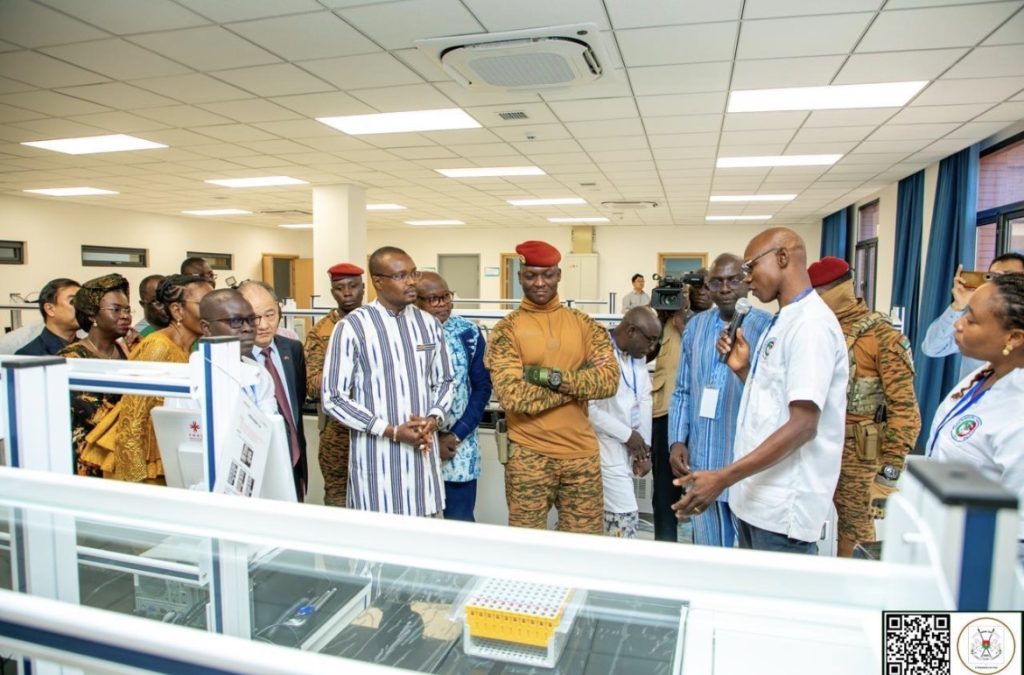
The technology is available at Bogodogo University Hospital in Ouagadougou and Pala University Hospital in Bobo-Dioulasso. Its introduction forms part of the government’s efforts to improve diagnostic services and strengthen the country’s capacity to manage cancer cases.
MammaTyper uses a laboratory technique known as reverse-transcription quantitative polymerase chain reaction (RT-qPCR) to measure the expression of four biomarkers associated with breast cancer: oestrogen receptor (ER), progesterone receptor (PR), HER2 and Ki-67.
These biomarkers help doctors classify breast tumours and determine which treatment options may be suitable for individual patients. The test is performed on tumour tissue obtained through a biopsy or surgery, providing information that can guide clinical decisions.
Reducing delays in diagnosis
Access to molecular testing remains a challenge in several African healthcare systems, where specialised laboratory services may be limited and samples sometimes have to be sent abroad for analysis.
The availability of MammaTyper in Burkina Faso is expected to reduce the need to send samples overseas for this particular examination, potentially shortening the time patients wait for results.
Medical personnel from the two hospitals received training in Hamburg, Germany, ahead of the technology’s introduction. The testing service is also reported to be available at subsidised rates, although detailed pricing information has not been confirmed.
According to reports from Burkina Faso, the country is the first in Africa to introduce this specific molecular testing technology. That distinction has not been independently established across all African countries.
Improving access to specialised cancer care
Breast cancer remains a major public health concern across Africa, where patients may face delays in diagnosis and difficulties accessing specialised investigations and treatment.
Molecular testing helps clinicians distinguish between tumour types that can respond differently to hormonal therapy, targeted medicines and other treatment approaches. Faster access to these results can support treatment planning, although outcomes also depend on the availability of specialists, medicines and follow-up care.
With MammaTyper now available at the two university hospitals, patients in Burkina Faso have access to a specialised molecular testing service that previously could require referral to laboratories outside the country. The service’s impact will depend on its affordability, availability and integration into the wider breast cancer care pathway.
TNAM