AFCON 2027: CAF quietly sounds out Morocco, South Africa and Algeria as East African hosts lag

The 2027 Africa Cup of Nations is facing a crucial race against time as Kenya, Tanzania and Uganda work to complete the infrastructure required to host the tournament, while reports indicate that the Confederation of African Football (CAF) has quietly explored possible alternatives in case the East African hosts cannot meet the deadline.
The tournament is officially scheduled to take place from June 19 to July 17, 2027, with Kenya, Tanzania and Uganda set to become the first three countries to jointly host the men’s Africa Cup of Nations. The tournament will also return the competition to East Africa for the first time since Ethiopia hosted the finals in 1976.
For now, however, Kenya, Tanzania and Uganda remain the confirmed hosts. CAF has not announced any decision to withdraw their hosting rights or relocate the tournament.
Reports of contingency planning
The uncertainty surrounding preparations intensified after a report by French newspaper Le Monde said CAF had contacted Morocco, South Africa and Algeria about their potential ability to step in if the East African hosts were unable to deliver the tournament.
According to the report, the three countries have the stadium capacity and experience required to host a major continental competition at relatively short notice. Morocco, South Africa and Algeria reportedly have 16, 13 and seven stadiums respectively that meet the required standards.
The report also identified Egypt and Côte d’Ivoire as countries that could potentially be considered because of their established tournament infrastructure, although the reported contacts with Morocco, South Africa and Algeria are more specific.
The reported discussions do not mean CAF has decided to move AFCON 2027. They indicate that the governing body may be assessing contingency options while continuing to work with the official hosts.
The situation is reminiscent of AFCON 2019, when Cameroon lost the right to host the tournament after construction and organisational delays. Egypt ultimately staged that edition.
CAF says East Africa remains the plan
CAF President Patrice Motsepe has publicly maintained confidence in the three host countries while acknowledging that the preparations require urgency.
Following an inspection tour, Motsepe said the organisation was facing an urgent situation with only about nine months remaining before the tournament. At the same time, he rejected suggestions that CAF had formally adopted a Plan B or Plan C.
CAF has continued to work directly with the governments and local organising committees in Kenya, Tanzania and Uganda.
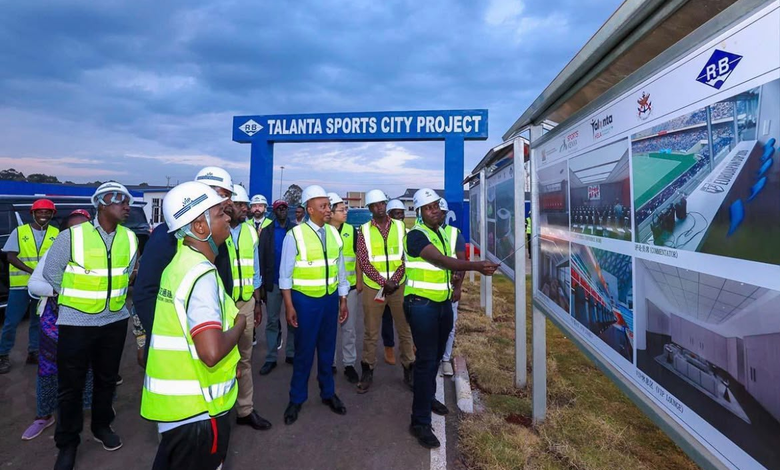
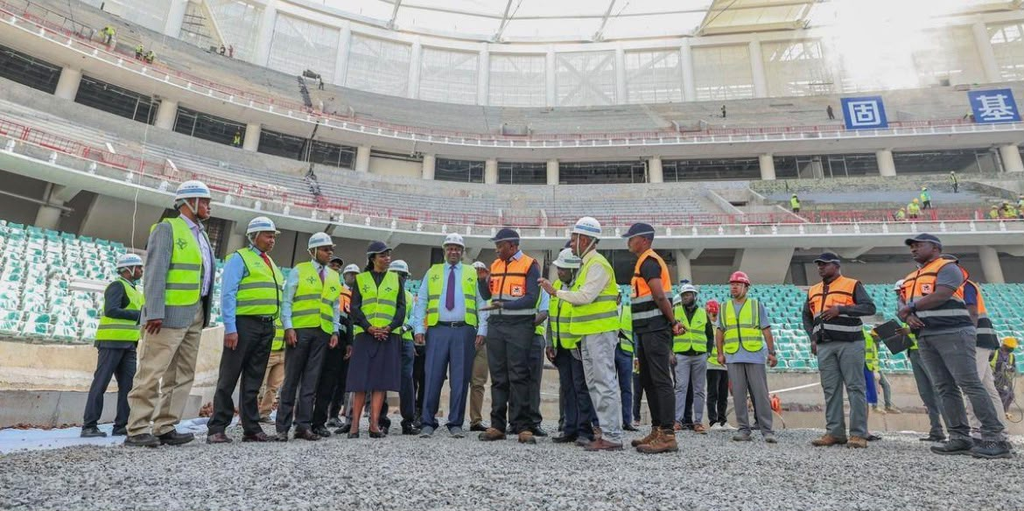
In September, Motsepe met Kenyan President William Ruto to discuss preparations and visited the newly built Talanta Sports International Stadium in Nairobi. CAF said the president was impressed by the progress at Talanta, while also reviewing work that remains at Kasarani Stadium.
CAF had earlier conducted an eight-day inspection across all three host countries. Its delegation assessed stadiums, training facilities, team and officials’ hotels, airports, transport arrangements and other infrastructure, with specialists from competitions, safety and security, media, television, marketing and logistics involved in the assessment.
Kenya faces major construction pressure
Kenya’s preparations have attracted particular attention because several major facilities are still being completed.
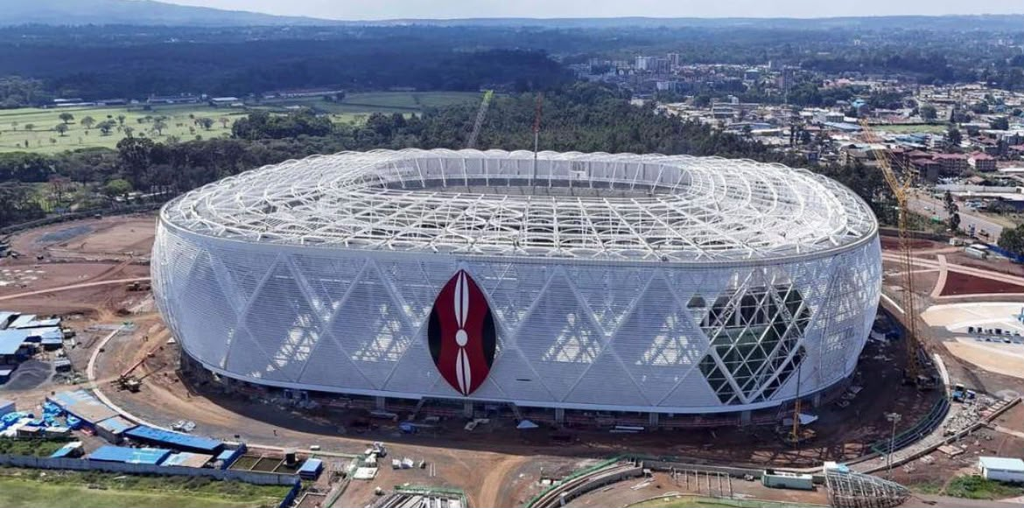
The country’s flagship project is the 60,000-capacity Talanta Sports International Stadium in Nairobi, which is expected to play a major role in the tournament. CAF’s inspection team visited the stadium as well as training venues, hotels and airport facilities serving the Nairobi operation.
Kasarani Stadium is another important venue, with CAF identifying work that still needs to be completed.
Kenyan officials have continued to insist that the country will be ready. The local organising committee has said outstanding work is being addressed, including improvements to facilities that will support teams during the tournament.
The challenge is therefore not limited to building one major stadium. Kenya must ensure that its match venues, training grounds, accommodation, transport systems and other operational facilities can function together once teams and supporters arrive.
Tanzania and Uganda also face deadlines
Tanzania has been viewed as being further along in some areas, but it is still required to complete preparations across stadiums, training grounds, accommodation, transport and other tournament infrastructure.
CAF President Motsepe visited Tanzania in September, including an inspection of Benjamin Mkapa Stadium in Dar es Salaam and meetings with the Tanzanian government to review preparations.
Uganda is also working to bring its facilities up to CAF standards.
Because AFCON 2027 will be spread across three countries, the challenge is more complicated than preparing a single host nation. The tournament will require coordinated movement of teams, officials, supporters and media between Kenya, Tanzania and Uganda.
Infrastructure goes beyond stadiums
CAF’s requirements extend well beyond the playing fields.
The inspection programme covered accommodation, airports, transport, security, media operations and logistics, reflecting the scale of an AFCON tournament.
The availability of suitable training grounds is another important consideration. African football already faces a shortage of CAF-approved stadiums, with several national teams having to play their home qualifiers outside their own countries because their facilities do not meet the required standards.
That broader infrastructure challenge makes AFCON 2027 a significant test for East Africa’s ability to deliver a major continental sporting event.
A first for East Africa
Despite the concerns, the tournament represents a major opportunity for the region.
AFCON 2027 will be the first edition jointly hosted by three countries and the first AFCON to be staged in East Africa since 1976. Kenya, Tanzania and Uganda were awarded the hosting rights in 2023, making the tournament an important milestone for football development in the region.
CAF expects 24 national teams to compete at the finals, with the three host nations automatically qualifying. The qualifying campaign began in September 2026, giving teams an early opportunity to prepare for the tournament.
CAF has also described the competition as an opportunity to showcase East Africa and accelerate investment in sporting and supporting infrastructure.
What happens next?
The immediate priority is completing and testing the facilities.
CAF is expected to continue monitoring progress closely, with further inspections planned as the deadline approaches. Motsepe has already indicated that another visit is scheduled for January 2027, giving the host countries only a few months to demonstrate that remaining gaps have been addressed.
For now, there is no official change to the hosting arrangement. Kenya, Tanzania and Uganda remain scheduled to host AFCON 2027 from June 19 to July 17.
But the reported approach to Morocco, South Africa and Algeria underlines the seriousness of the situation. With less than nine months before the opening match, the East African hosts must turn ongoing construction and preparation into fully operational facilities that can meet CAF’s standards.
If they succeed, AFCON 2027 will be a landmark tournament for East Africa the first three-country edition of Africa’s biggest football competition and a major showcase for the region’s sporting ambitions.
If preparations fall short, CAF will have already begun examining where the tournament could be staged instead.
TNAM