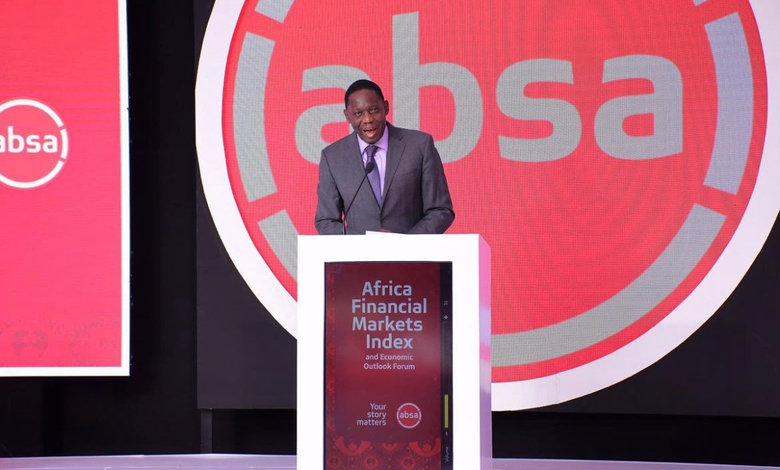
The 2026 Absa Africa Financial Markets Index shows progress across 21 countries, with improvements in market reforms and foreign exchange resilience, although limited trading activity remains a major obstacle to investment.
African financial markets have recorded their strongest average development score in a decade, according to the 2026 Absa Africa Financial Markets Index, which found improvements in 21 of the 29 countries assessed.
The index, released on 14 October 2026, recorded an average score of 56, six points higher than the inaugural score in 2017. The findings point to progress in financial market development across the continent, supported by regulatory reforms, improvements in economic conditions and efforts to strengthen investment infrastructure.
Produced by Absa Group in partnership with the Official Monetary and Financial Institutions Forum (OMFIF), with support from the United Nations Economic Commission for Africa (UNECA), the annual index assesses how effectively African economies develop, open and manage their financial markets.
The 2026 edition marks the tenth year of the index, which covers 29 African economies representing approximately 80 per cent of the continent’s population and gross domestic product.
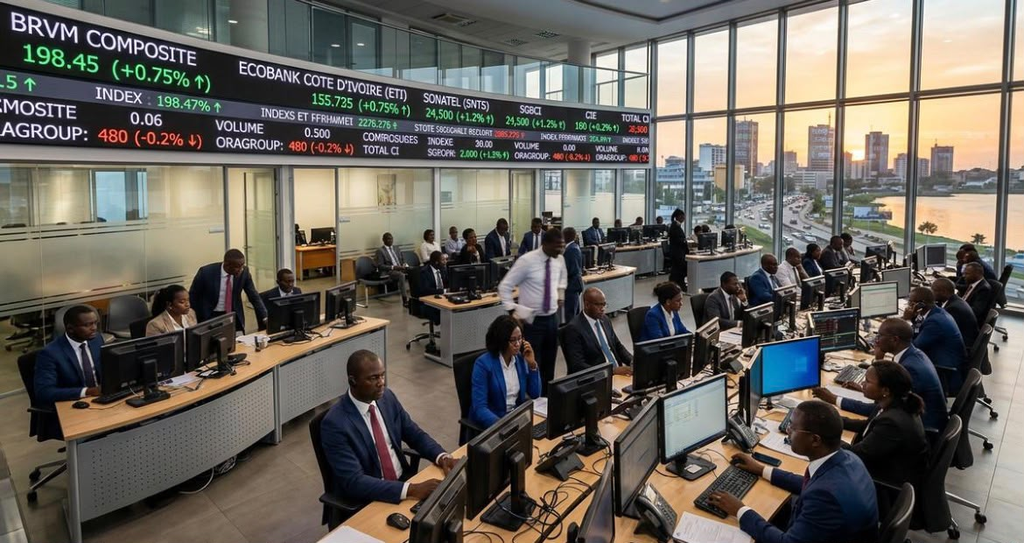
South Africa Leads as Ghana Makes Significant Gains
South Africa retained its position as Africa’s leading financial market, followed by Mauritius and Namibia. The rankings highlight differences in how countries are developing the systems needed to attract investors, support businesses and mobilise domestic savings.
Cape Verde recorded the largest improvement in the rankings, climbing six places to 13th, supported by stronger foreign exchange reserves and initiatives to develop sustainable finance.
Ghana also made notable progress, rising four places to sixth. Its improved position was supported by declining inflation and stronger stock market performance, signalling progress in rebuilding investor confidence following the country’s recent economic difficulties.
Botswana and Nigeria, however, each fell two places, finishing seventh and eighth respectively. Nigeria’s performance was affected by weaker scores for foreign exchange access and market transparency, while rising inflation weighed on Botswana’s results.
The findings show that progress across Africa’s financial markets remains uneven, with countries advancing at different rates depending on their economic conditions, market structures and policy decisions.
Market Liquidity Remains a Major Concern
Despite the improvement in the overall score, limited liquidity remains a significant challenge for African financial markets.
Liquidity refers to how easily investors can buy or sell financial assets, such as shares and bonds, without substantially affecting their prices. Markets with low trading activity can make it more difficult for businesses and governments to raise capital efficiently and for investors to exit their investments when needed.
The index highlights the need to translate improvements in financial infrastructure and the availability of investment products into more active markets with broader participation.
For African economies, stronger stock and bond markets can provide businesses with alternatives to traditional bank loans. They can also help governments finance infrastructure, support industrial development and channel pension savings and other domestic funds into productive investments.
Nigeria’s ongoing efforts to develop its capital market, including preparations for the planned public offering of shares in the Dangote refinery, illustrate the potential scale of fundraising that African markets may support. However, the success of such initiatives also depends on investor participation, transparency and the ability of markets to handle trading efficiently.
A Decade of Financial Market Development
The 2026 report examines six key areas: market depth, access to foreign exchange, market transparency and the tax and regulatory environment, pension fund development, the macroeconomic environment, and legal standards and enforceability.
Together, these indicators provide a picture of the conditions that influence investment, financial market access and the movement of capital within African economies.
This year’s edition also introduces a revised scoring methodology based on fixed benchmarks rather than comparisons between participating countries. Historical scores have been recalculated to improve comparisons over time.
The change is important because it allows the index to assess countries against consistent standards of financial market development, rather than relying solely on their performance relative to other economies.
The decade-high average score represents progress in the development of Africa’s financial markets. Sustaining that progress will depend on whether countries can deepen market liquidity, strengthen transparency, broaden investor participation and make capital more accessible to businesses seeking to expand.
For investors and policymakers, the findings provide a benchmark for assessing the reforms already undertaken and identifying the areas that still require attention as African economies seek greater investment and long-term growth.
TNAM