Ivory Coast Cocoa Sellers Struggle With New Traceability System Ahead of EU Deforestation Rules

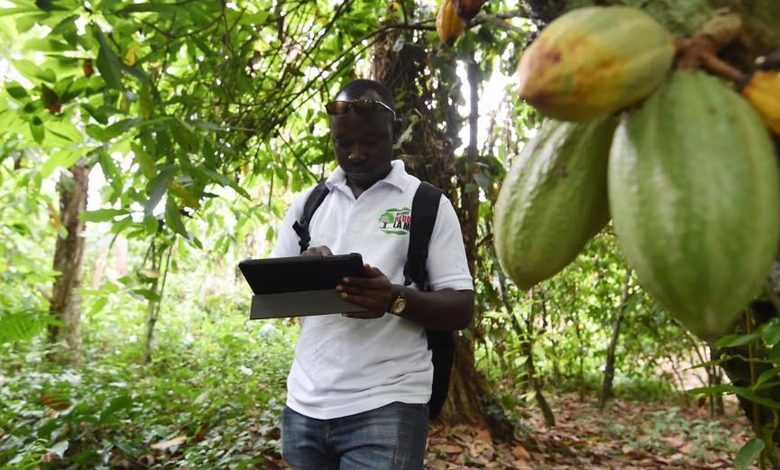
Ivory Coast’s cocoa industry is facing difficulties implementing a new digital traceability system designed to keep the country’s exports compliant with the European Union’s incoming anti-deforestation rules.
The West African nation, the world’s largest cocoa producer, supplies about 70% of its cocoa exports to Europe. However, traders, cooperatives and buying agents are struggling to adapt to the new system, raising concerns about delays and possible disruptions to cocoa exports during the 2026/27 season.
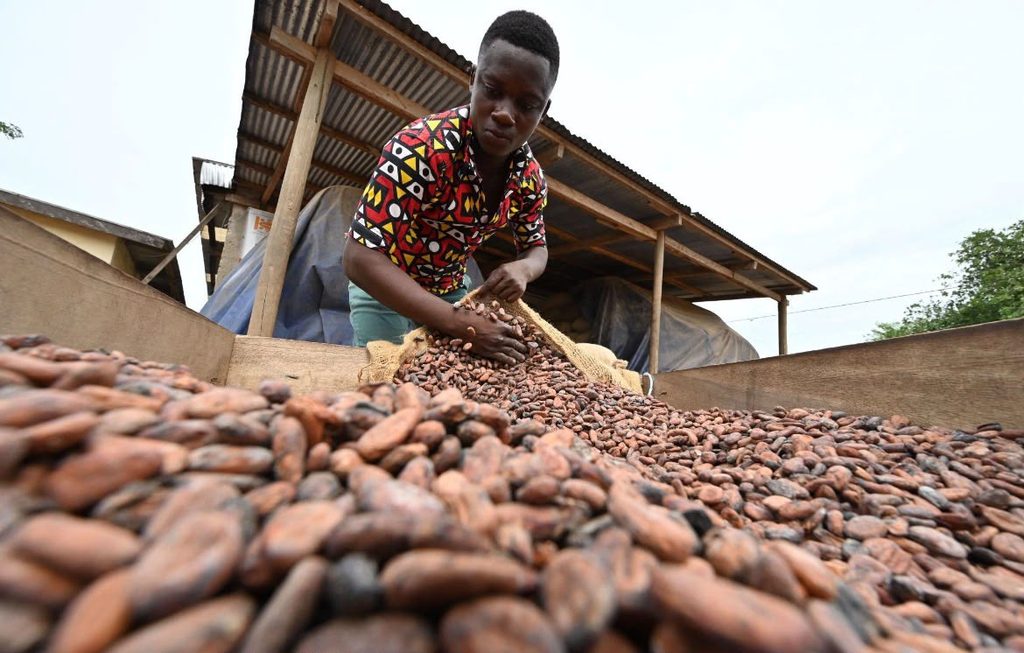
The EU Deforestation Regulation (EUDR) is due to take effect from the end of December 2026. It requires commodities including cocoa entering the European market to be traceable to their origin and shown not to have been produced on land linked to recent deforestation.
Digital system creates challenges
Ivory Coast’s Coffee and Cocoa Council (CCC) has made the use of an electronic producer card mandatory for cocoa purchases from the beginning of the 2026/27 season on September 1.
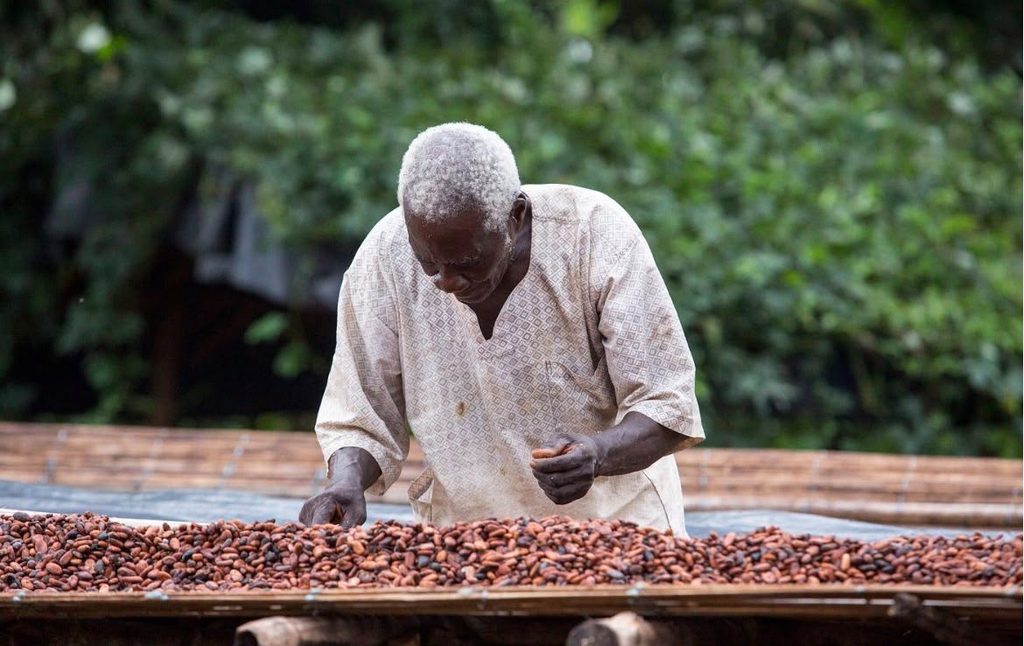
The system is intended to record the origin of cocoa and provide information needed to demonstrate compliance with European sustainability requirements.
However, some cocoa buyers, cooperatives and field agents are still unfamiliar with the digital purchasing and traceability tools. Exporters have also reported shortages of essential equipment, including payment terminals, bags and seals needed for cocoa purchases in rural areas.
The CCC says it has purchased 20,000 new payment terminals and is distributing equipment based on purchasing volumes from the previous season. The regulator acknowledged that implementation has been slow but expects the system to improve as users become more familiar with it.
Risk to cocoa exports
The difficulties come at a critical time for Ivory Coast, which produces around 40% of the world’s cocoa. Any prolonged disruption to its exports could have wider implications for global cocoa prices and European chocolate manufacturers. (Reuters)
A separate analysis by Trase found earlier this year that only about 48% of Ivory Coast’s 2024 cocoa exports could be traced back to producer cooperatives, highlighting the scale of the challenge facing the country’s supply chain.
For Ivory Coast, the push toward digital traceability is therefore more than a regulatory exercise. The country must modernise a complex cocoa supply chain involving thousands of farmers, cooperatives, traders and intermediaries while ensuring that its exports continue to reach one of its most important markets.
TNAM