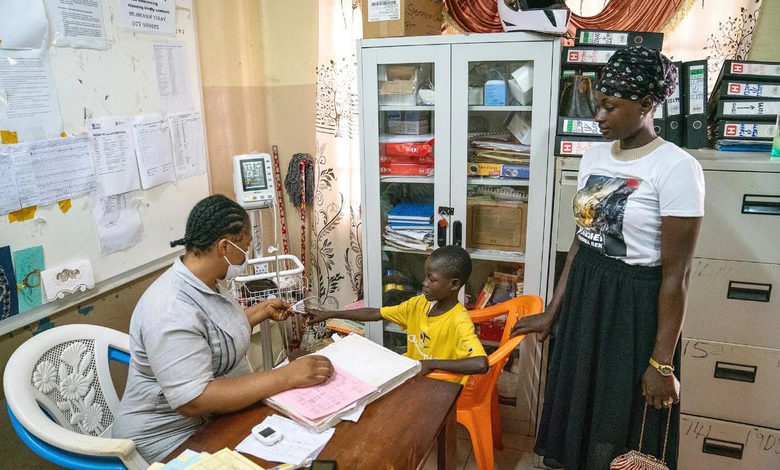
The World Health Organization (WHO) is stepping up efforts to improve access to quality-assured, child-friendly treatment for sickle cell disease, with a particular focus on sub-Saharan Africa, where nearly 80% of the world’s sickle cell cases occur.
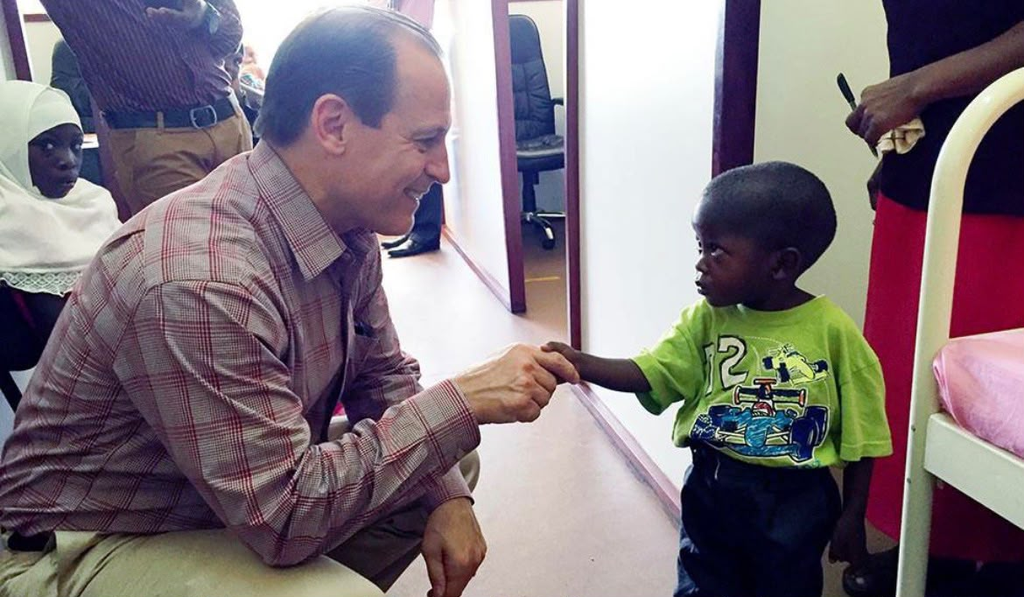
The move, announced by WHO on September 1, 2026, combines new clinical guidance with efforts to make medicines easier for children to take, accurately dose and access, particularly in countries where treatment remains limited.
Sickle cell disease is the world’s most common inherited blood disorder and remains a major cause of preventable childhood illness and death. WHO estimates that the disease contributed to about 81,100 deaths among children under five in 2021.
Hydroxyurea at the centre of the effort
A major focus of the initiative is hydroxyurea, a disease-modifying medicine that can reduce serious complications associated with sickle cell disease.
WHO’s first guideline specifically covering the diagnosis, prevention and management of sickle cell disease in children and adolescents was published in May 2026. It makes a strong recommendation for hydroxyurea for children and adolescents aged 9 months to 19 years with sickle cell anaemia, regardless of the severity of their condition.
However, having an effective medicine does not automatically mean children can access or use it effectively. WHO says existing formulations can create difficulties for younger children, including challenges with accurate dosing and administration.
To address this, WHO developed a target product profile for paediatric hydroxyurea formulations. The profile calls for child-friendly options, including soluble or dispersible tablets that allow flexible, weight-based dosing and can be used in resource-limited settings.
WHO has also begun a process through its Prequalification Programme to encourage manufacturers to develop and submit suitable sickle-cell treatments for quality evaluation.
The first expression of interest includes hydroxyurea capsules as well as soluble or dispersible tablet formulations designed to make treatment more suitable for children.
The effort follows a paediatric drug optimisation exercise involving WHO and partners, which identified hydroxyurea as an immediate priority for expanding access to treatment for children with sickle cell disease. The process also identified promising treatments still under development, including emerging therapies and gene therapies, for future research and consideration.
Why Africa is central to the effort
The focus on Africa reflects the continent’s disproportionate burden of sickle cell disease. WHO estimates that sub-Saharan Africa accounts for nearly 80% of cases worldwide, while access to early diagnosis, comprehensive care and disease-modifying treatment remains uneven.
WHO says its broader objective is to ensure that a child’s location does not determine whether they can receive effective sickle-cell treatment.
The organisation is working with governments, medicine manufacturers, regulators, researchers, funders, healthcare providers and affected communities to translate the new recommendations into medicines and services that can reach children in high-burden countries.
The initiative also comes as research into sickle-cell treatment continues to evolve, with new medicines, biologics and gene therapies being investigated. WHO says it wants access considerations for children in resource-limited settings to be addressed early as these treatments are developed.
For Africa, where the majority of the global sickle-cell burden is concentrated, the success of these efforts will depend not only on new guidelines but also on whether affordable, quality-assured and child-appropriate medicines can actually reach the children who need them.
TNAM