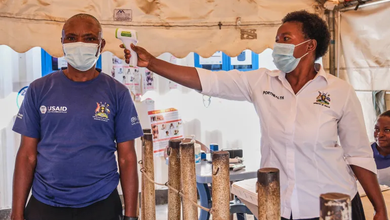
UNAIDS Calls for Greater African Investment in Healthcare as Foreign Aid Declines
Winnie Byanyima says greater national investment in healthcare is essential to protect HIV programmes and build resilient health systems as international donor support continues to shrink.

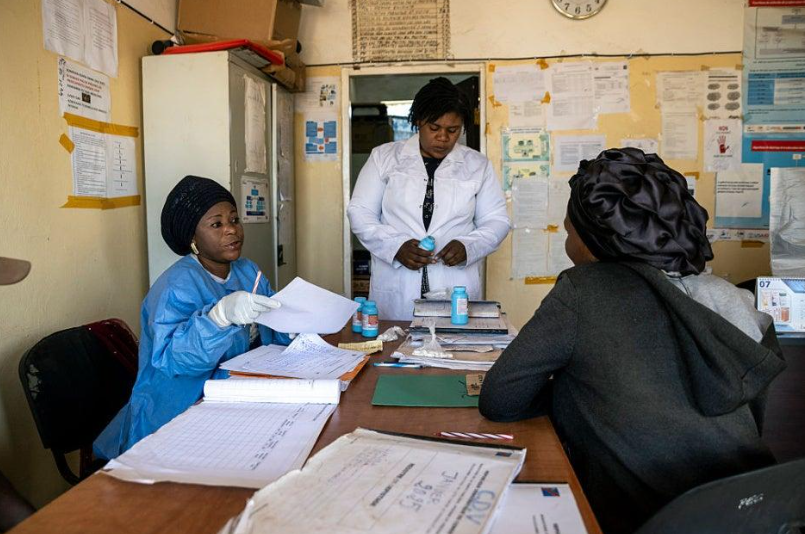
Health leaders urge governments to strengthen domestic funding to safeguard HIV services and build resilient healthcare systems.
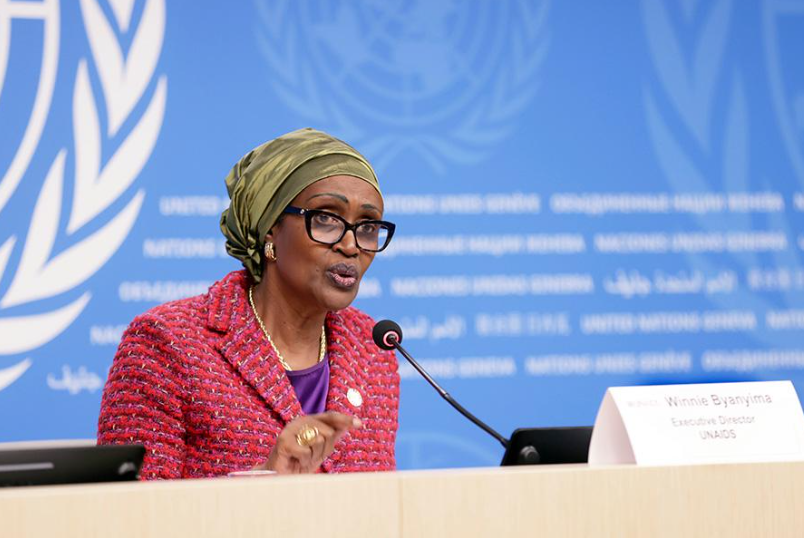
KIGALI, Rwanda, The Executive Director of the Joint United Nations Programme on HIV/AIDS (UNAIDS), Winnie Byanyima, has called on African governments to rethink how healthcare is financed, warning that declining international aid makes it increasingly important for countries to invest more of their own resources in public health.
Speaking at the 13th International AIDS Society (IAS) Conference on HIV Science in Kigali, Byanyima said Africa can no longer rely heavily on external donors to sustain critical health programmes. She urged governments to make healthcare financing a national priority to ensure long-term access to HIV prevention, treatment and other essential medical services.
According to Byanyima, global funding patterns are changing as several donor countries reduce development assistance, placing additional pressure on health systems that depend on foreign support. She noted that while international partnerships remain valuable, African nations must build stronger financial independence to protect the health of their citizens.
She stressed that increasing domestic investment in healthcare would not only strengthen the fight against HIV/AIDS but also improve overall health systems, making them more capable of responding to future disease outbreaks and other public health emergencies.
Byanyima also encouraged governments to improve revenue collection, reduce financial leakages and introduce sustainable funding strategies that can support healthcare without relying predominantly on international assistance. She said stronger governance and efficient use of public resources would be key to achieving these goals.
Health experts attending the conference agreed that greater national investment is essential to maintaining the progress made against HIV over the past two decades. They warned that interruptions in funding could affect access to life-saving medicines, testing services and prevention programmes, particularly for vulnerable communities.
The appeal comes at a time when many African countries are reassessing their healthcare financing strategies amid shifting global economic conditions. Public health advocates believe the current situation offers an opportunity for governments to build more resilient and self-sustaining healthcare systems capable of meeting future challenges.
Despite concerns over declining donor support, Byanyima expressed optimism that African countries can secure the future of their health sectors by prioritising domestic investment, strengthening regional cooperation and adopting innovative financing solutions.
TNAM
By Egwu Patience Nnennaya
Wednesday July 22nd, 2026.