UNICEF Launches Five-Year Child Development Plan for Kano, Jigawa and Katsina
UNICEF begins consultations with governments and partners to design child-focused interventions addressing health, education, nutrition and climate challenges.

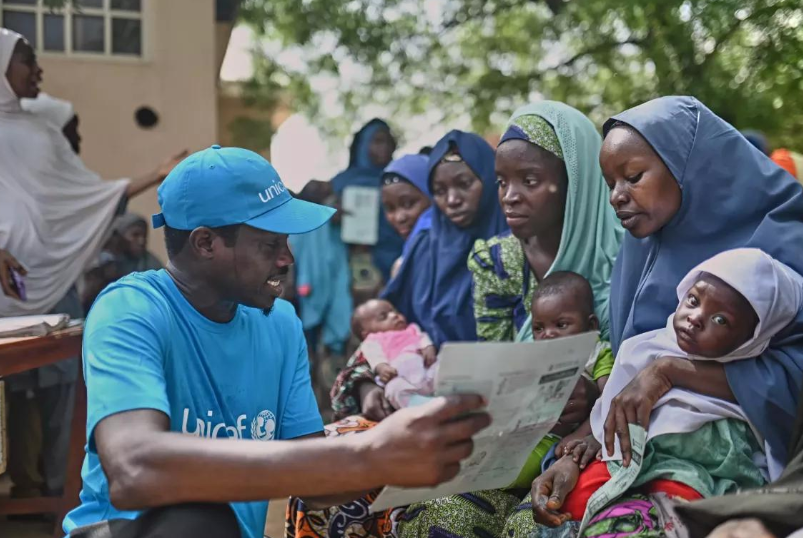
New partnership aims to improve healthcare, education, nutrition, child protection and social welfare for millions of children across three northern Nigerian states.
KANO, Nigeria – The United Nations Children’s Fund (UNICEF) has unveiled a new five-year Country Programme of Cooperation (2026–2030) for Kano, Jigawa and Katsina States, marking a renewed commitment to improving the lives of millions of children and women in northwestern Nigeria.
The initiative, launched in collaboration with the governments of the three states, is designed to strengthen access to quality healthcare, education, nutrition, water and sanitation services, child protection and social welfare programmes while supporting efforts to reduce child mortality and improve overall human development.
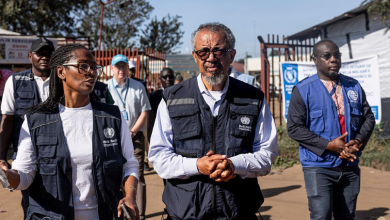
Speaking during the unveiling ceremony in Kano, UNICEF Representative in Nigeria, Cristian Munduate, said the new programme builds on years of collaboration with state governments and reflects UNICEF’s commitment to ensuring that every child has the opportunity to survive, learn and thrive.
According to Munduate, the programme will focus on accelerating progress in key areas affecting children, particularly maternal and child health, routine immunisation, early childhood development, access to quality basic education, nutrition, adolescent development and protection for vulnerable children.
She noted that despite significant progress recorded in recent years, many children in northern Nigeria continue to face challenges such as malnutrition, poor access to healthcare, school absenteeism, poverty and inadequate sanitation. The new partnership, she said, seeks to address these issues through coordinated action between governments, development partners and local communities.
The programme also aligns with Nigeria’s National Development Plan (2021–2025), the United Nations Sustainable Development Cooperation Framework (2023–2027) and the Sustainable Development Goals (SDGs), particularly those relating to health, education, gender equality and poverty reduction.
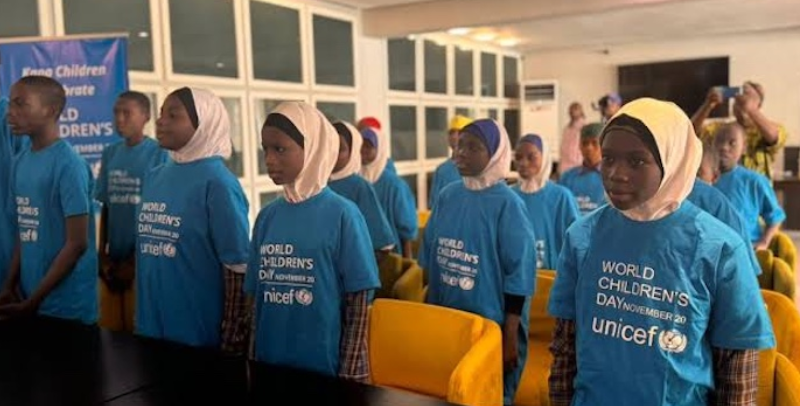
Officials from the governments of Kano, Jigawa and Katsina welcomed the initiative, describing it as a strategic framework that will guide investment in child-focused programmes over the next five years. They pledged continued collaboration with UNICEF to strengthen public services and ensure that resources reach the most vulnerable communities.
The five-year plan places particular emphasis on expanding immunisation coverage, reducing child and maternal deaths, improving learning outcomes in schools, tackling severe acute malnutrition and increasing access to clean water, sanitation and hygiene facilities.
UNICEF also announced plans to strengthen child protection systems by supporting efforts to prevent child labour, child marriage, violence against children and other forms of exploitation while promoting birth registration and legal identity for every child.
Another key component of the programme is enhancing social protection initiatives that support low-income households, helping families access healthcare, nutrition and education services while improving resilience against economic shocks.
Development experts say the partnership is expected to benefit millions of children across the three states by strengthening public institutions, improving service delivery and encouraging greater community participation in child development programmes.
UNICEF reaffirmed that sustained investment in children remains one of the most effective ways to promote inclusive development, reduce inequality and build a healthier and more prosperous future for Nigeria.
TNAM
By Egwu Patience Nnennaya
Wednesday July 22nd, 2026.