Burkina Faso Reinstates Death Penalty for Terrorism, Treason and Espionage Under Ibrahim Traoré

The country’s parliament has unanimously approved a revised penal code restoring capital punishment for specified offences, reversing the abolition of the death penalty in 2018 amid a prolonged security crisis.
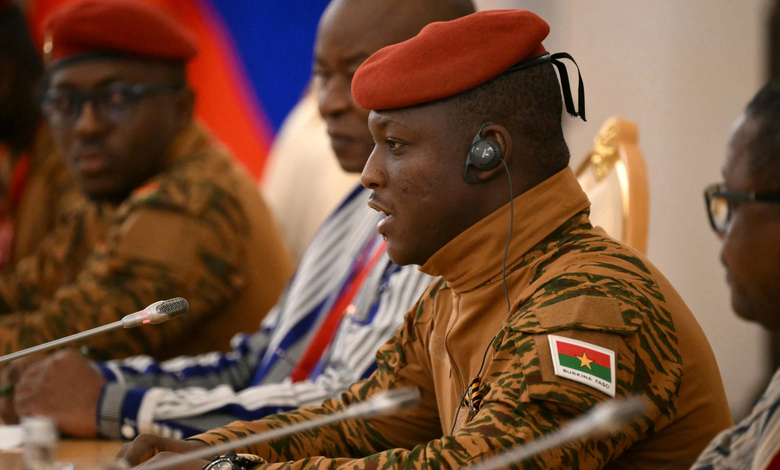
Burkina Faso has voted to reinstate the death penalty for a range of serious offences, including terrorism, espionage and treason, in a major change to the country’s criminal justice system under military leader Captain Ibrahim Traoré.
The country’s 71-member Legislative Assembly of the People unanimously adopted the revised penal code on 20 October 2026, following its presentation by Justice and Human Rights Minister Edasso Rodrigue Bayala. The government says the changes are intended to strengthen public order, reinforce national values and improve security.
The decision reverses Burkina Faso’s 2018 abolition of capital punishment for ordinary crimes. The country’s last known judicial execution took place in 1988, according to human rights organisations.
The move follows Traoré’s earlier calls to restore the death penalty as part of his administration’s approach to security and criminal justice. The military leader, who came to power following a coup in September 2022, has made the fight against terrorism a central priority of his government.
Which offences could attract the death penalty?
Under the revised penal code, capital punishment will apply to several categories of offences, including terrorism, espionage, high treason, parricide and the importation of expired or prohibited products when they cause death.
The provisions also cover accomplices in certain terrorism-related offences, according to reports on the legislation.
Justice Minister Bayala defended the measure on security grounds, arguing that the previous penalties were insufficient to discourage recruitment by armed groups. He said militants had used the prospect of receiving prison sentences rather than capital punishment to encourage people to join their ranks.
The government maintains that tougher penalties are necessary to reinforce deterrence and strengthen the state’s response to serious crimes.
However, the adoption of the revised code does not, by itself, establish that executions will immediately resume. The legislation’s formal entry into force depends on the applicable promulgation and publication procedures.
A country facing a prolonged security crisis
Burkina Faso has struggled for more than a decade with an insurgency involving armed groups linked to al-Qaeda and the Islamic State. The violence has killed thousands of people, displaced millions and placed significant pressure on public services and security institutions.
Successive governments have struggled to restore security across affected areas, while communities in parts of the country continue to face insecurity and restrictions on movement.
The Traoré administration has presented its tougher criminal justice measures as part of a broader effort to restore state authority and combat armed groups.
Supporters of the policy may view the reinstatement as a demonstration of the government’s determination to impose severe penalties for offences considered threats to national security. However, the effectiveness of capital punishment as a deterrent remains contested, and the change has drawn criticism from international human rights organisations.
Human rights groups raise concerns
Human Rights Watch has criticised the decision, warning that restoring capital punishment could increase the risk of abuses, particularly in a country where the organisation has documented concerns about due process and restrictions on civil liberties.
The organisation has also raised concerns about the capacity of the country’s judicial system to guarantee fair trials in terrorism-related cases.
Critics argue that the death penalty does not address the underlying causes of armed violence and could expose defendants to irreversible punishment if proceedings are unfair or convictions are wrongful.
The decision also comes amid broader concerns about political and civic freedoms under Burkina Faso’s military authorities, including restrictions affecting media organisations, political activity and civil society.
The government, meanwhile, has defended the revised code as a measure to strengthen security and public order.
What happens next?
The unanimous parliamentary vote marks a significant shift in Burkina Faso’s criminal justice policy. The next steps will depend on the formal implementation of the revised penal code and how authorities apply its provisions.
The development is likely to intensify debate over the balance between national security, criminal deterrence and the protection of fundamental rights.
For Burkina Faso, the central question will be whether the tougher penalties contribute to reducing terrorism and serious crime while ensuring that criminal proceedings meet the requirements of a fair and credible justice system.
TNAM