
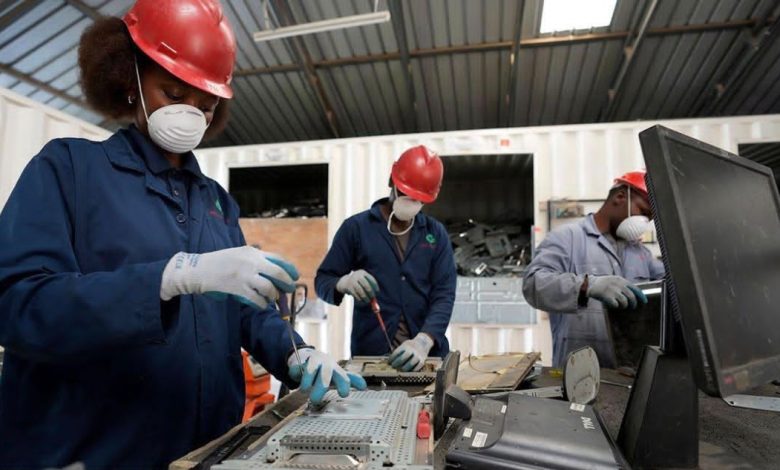
Botswana, Djibouti, Eswatini, Ethiopia, Lesotho, Mozambique, Namibia, Somalia and South Africa are among 16 countries participating in a global initiative designed to improve electronics recycling, encourage repair and reuse, recover valuable materials and build more sustainable technology industries.
Nine African countries have been included in a new $60 million international programme aimed at transforming how electronic products are manufactured, used, repaired and recycled.
The initiative, known as the Global Electronics Management (GEM) Programme, was officially launched in Manila, Philippines, on October 7, 2026. It brings together 16 countries across Africa, Asia and Latin America to address the growing environmental challenges associated with electronic waste while creating opportunities for sustainable businesses and resource recovery.
The African countries participating in the programme’s first phase are Botswana, Djibouti, Eswatini, Ethiopia, Lesotho, Mozambique, Namibia, Somalia and South Africa.
The other participating countries are Cambodia, Colombia, Kazakhstan, Peru, the Philippines, Türkiye and Viet Nam.
Funded by the Global Environment Facility (GEF), the programme is led by the United Nations Industrial Development Organization (UNIDO), in partnership with the African Development Bank Group (AfDB), the United Nations Development Programme (UNDP) and the United Nations Environment Programme (UNEP).
Addressing Africa’s Growing Electronic Waste Challenge
The expansion of digital technology has increased access to computers, mobile phones, televisions, household appliances and other electronic equipment across the world. However, the growing consumption of these products has also created a significant challenge: what happens when electronic devices become damaged, outdated or no longer useful?
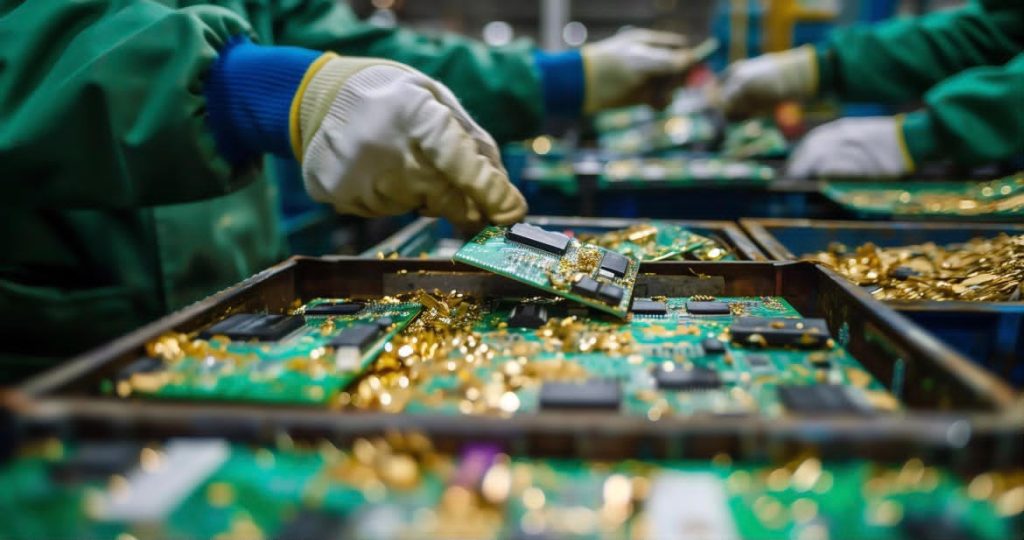
Electronic waste, commonly known as e-waste, includes discarded mobile phones, computers, batteries, televisions, refrigerators, printers and other electrical and electronic equipment.
Unlike ordinary household waste, electronic products can contain valuable materials such as copper, aluminium, gold and other recoverable components. They can also contain hazardous substances that may pose risks to human health and the environment when they are dismantled, burned or disposed of improperly.
According to the Global E-waste Monitor 2024, the world generated approximately 62 million tonnes of electronic waste in 2022. However, only 22.3 per cent was documented as formally collected and recycled in an environmentally sound manner.
Global electronic waste generation is projected to reach 82 million tonnes annually by 2030 if current trends continue.
These figures highlight the growing need for countries to develop effective systems for collecting, repairing, reusing and recycling electronic products.
Through the GEM Programme, participating countries will work towards building systems that allow electronic materials to remain useful for longer rather than being discarded after their initial use.
What the $60 Million Programme Will Do
The initiative goes beyond establishing additional recycling facilities. It seeks to transform the entire electronics value chain by encouraging more responsible production, consumption and waste management practices.
Its activities will cover several important areas.
- Improving electronic product design and production
The programme will encourage resource-efficient production methods and sustainable product designs that reduce unnecessary material consumption and make electronic products easier to repair, maintain and recycle.
- Extending the lifespan of electronic devices
Rather than replacing devices whenever they develop faults or become outdated, the initiative will support approaches that encourage maintenance, repair and refurbishment.
This could create opportunities for repair businesses, technicians and other small enterprises working within the electronics sector.
- Strengthening electronic waste collection systems
The programme will support improvements in the collection and management of discarded electronic equipment, helping participating countries develop more organised systems for gathering unwanted devices and directing them towards appropriate recovery and recycling facilities.
- Recovering valuable materials
Electronic products contain materials that can be recovered and reused in manufacturing. Through improved recycling processes, the initiative aims to reduce the loss of these resources and encourage their return to productive use.
- Strengthening policies, regulations and financing
The programme will also support governments in developing stronger policies, regulations and financing arrangements that can encourage investment in sustainable electronics businesses.
Technology adoption and partnerships between public institutions, private companies and other stakeholders will form part of this effort.
How the Nine African Countries Will Participate
The African component of the programme is organised through two regional projects.
The first covers the Horn of Africa, involving Djibouti, Ethiopia and Somalia. This project will be implemented by the African Development Bank Group.
Its focus includes strengthening national policies, supporting the development of markets for circular electronics and establishing the conditions needed to attract future investment into sustainable electronic waste management.
The second project covers Southern Africa and the Southern African Development Community (SADC) region. It involves Botswana, Eswatini, Lesotho, Mozambique, Namibia and South Africa and will be implemented by UNEP.
The project will focus on strengthening institutional and policy capacities, promoting sustainable product design and circular business models, expanding repair and refurbishment networks and improving electronic waste collection and recycling systems.
Together, the two regional projects will help participating African countries develop approaches suited to their individual circumstances while encouraging cooperation and the exchange of knowledge.
Opportunities for African Businesses and Employment
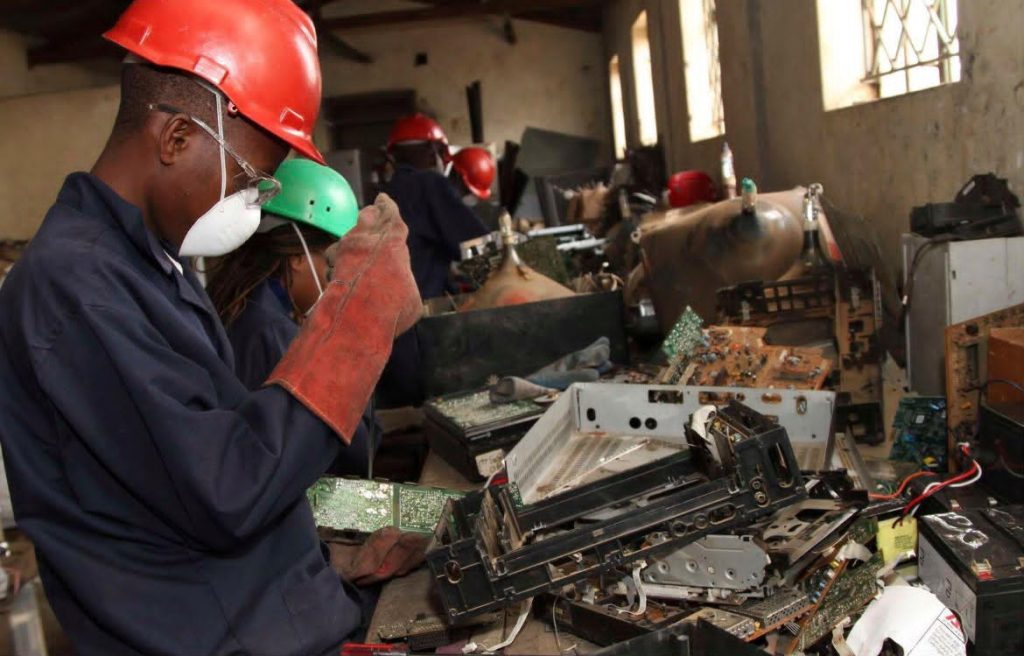
Beyond its environmental objectives, the GEM Programme could create opportunities for African entrepreneurs, manufacturers, technicians and investors.
As countries strengthen their electronic waste management systems, businesses operating in collection, repair, refurbishment, recycling and material recovery could benefit from the development of more organised markets.
Small businesses involved in repairing computers, mobile phones and household appliances could also find opportunities as governments and partners encourage longer product lifespans and more sustainable consumption practices.
The recovery of valuable materials from discarded electronic equipment could further support local manufacturing by making reusable resources available within domestic and regional markets.
The programme also seeks to connect governments with private companies, financial institutions, research organisations, technical experts, standards bodies, recyclers and civil society organisations.
This multi-stakeholder approach is intended to ensure that the transition towards circular electronics is supported by the policies, technical knowledge, investment and infrastructure required to make it sustainable.
However, the programme’s $60 million funding covers all 16 participating countries. A separate funding allocation for each African country has not been announced.
International Partnerships Driving the Initiative
The GEM Programme is supported by several international institutions with responsibilities across industrial development, environmental protection, financing and sustainable development.
The Global Environment Facility is providing the programme’s $60 million funding.
UNIDO is leading the overall initiative and coordinating efforts to promote circular practices throughout the electronics value chain.
The African Development Bank Group is supporting the African component, particularly the regional initiative covering Djibouti, Ethiopia and Somalia.
UNEP is implementing the Southern Africa/SADC project, while the United Nations Development Programme is also a programme partner.
The institutions will work with participating governments and other stakeholders to strengthen national systems, share technical expertise and support the development of sustainable electronics industries.
A key feature of the initiative is the GEM Knowledge Platform, which will provide opportunities for participating countries and partners to exchange information, share practical solutions and learn from successful approaches.
Connecting Digital Growth with Environmental Sustainability
The launch of the Global Electronics Management Programme comes at a time when countries are increasingly investing in digital infrastructure, technology adoption and access to electronic devices.
For Africa, expanding access to technology remains important for education, healthcare, financial services, business development and economic growth. However, managing the environmental consequences of that expansion is becoming equally important.
The GEM initiative seeks to connect these two priorities by encouraging countries to consider what happens to electronic products throughout their entire lifecycle, from production and consumption to repair, reuse and recycling.
If successfully implemented, the programme could help participating African countries strengthen their electronic waste management systems, create opportunities for circular economy businesses, recover valuable resources and encourage more responsible technology consumption.
It also presents an opportunity for African countries to develop industries around the repair, refurbishment and recycling of electronic products rather than relying entirely on the disposal of unwanted equipment.
As the first phase progresses, the effectiveness of the initiative will depend on how participating countries translate its objectives into practical policies, functioning collection systems, investment opportunities and sustainable business operations.
The broader ambition is to make economic growth, technological advancement and environmental responsibility work together across participating countries.
TNAM


