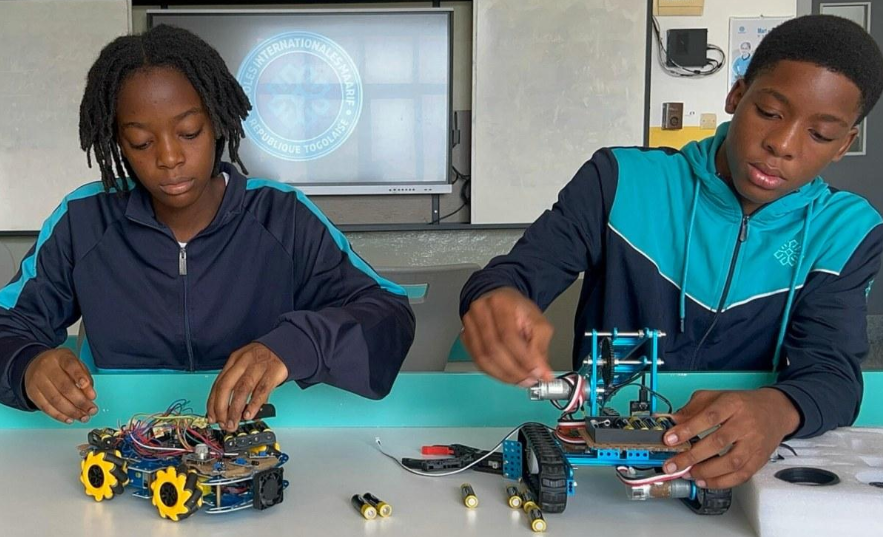
A technology-focused summer programme in Lomé is equipping children with practical skills in robotics, coding and artificial intelligence while encouraging more girls to pursue careers in science and technology.
LOMÉ, Togo In the heart of Togo’s capital, Lomé, a unique summer programme is introducing children to the rapidly evolving world of technology, providing them with hands-on experience in robotics, coding and artificial intelligence (AI) as part of efforts to nurture the next generation of African innovators.
The Digital School Summer Camp brings together young learners eager to develop practical digital skills through interactive projects that encourage creativity, problem-solving and innovation from an early age.
Among the participants is 14-year-old Winner Koudjra, who is learning the fundamentals of robotics by assembling her first robotic prototype using motors, electronic components and basic engineering tools. Like many of the children enrolled in the programme, she is gaining practical experience by designing and building technology rather than simply learning about it in theory.
Winner said the programme has transformed her understanding of technology and inspired her to explore new possibilities in the digital world.
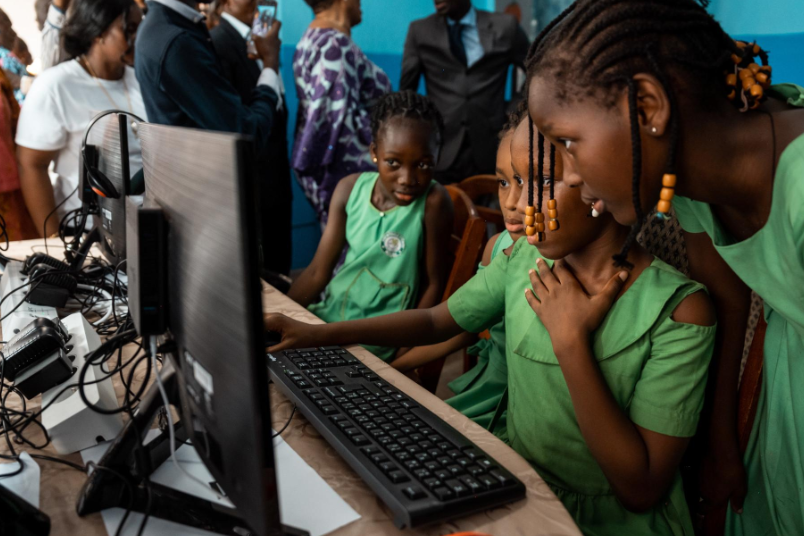
She explained that after learning how to construct a robotic hand, she moved on to software development, where she is now working on web programming and introductory artificial intelligence projects. Her ambition, she said, is to use the knowledge gained during the camp to create her own website and develop innovative digital solutions in the future.
Beyond robotics and programming, the initiative places strong emphasis on reducing the gender gap in science, technology, engineering and mathematics (STEM). According to UNESCO, women account for only 35 percent of STEM graduates globally and represent just 26 percent of professionals working in data science and artificial intelligence.
To help address this imbalance, the Digital School actively encourages girls to participate in technology education while also providing scholarships and financial support for children from low-income families, ensuring that access to digital learning is not determined by economic background.
Got’liebe Bataba, Director of the Lomé Digital School, said exposing children especially girls to digital technologies at an early age is essential for building a more inclusive technology sector in Africa.
He explained that the school’s mission extends beyond teaching technical skills, focusing equally on developing critical thinking, creativity and confidence that will enable young people to solve real-world challenges through innovation.
Parents have also welcomed the initiative, describing it as an important investment in the future of African children. Vanessa Lawson, whose child is enrolled in the programme, praised the summer camp for introducing young learners to emerging technologies and preparing them for careers in an increasingly digital world.
Education experts believe initiatives such as the Digital School Summer Camp are becoming increasingly important as African countries seek to build digital economies powered by local talent. By exposing children to robotics, programming and artificial intelligence at a young age, programmes like this are helping to prepare a generation capable of creating home-grown technological solutions for the continent’s future.
As Africa continues to embrace digital transformation, the camp stands as a growing example of how early investment in technology education can empower young people, bridge the digital divide and inspire the innovators who will shape the continent’s future.
TNAM
By Egwu Patience Nnennaya
Tuesday July 14, 2026.