
Senegal’s Bassirou Diomaye Faye Elected New ECOWAS Chairman
The Senegalese leader succeeds Sierra Leone's President Julius Maada Bio, pledging to strengthen regional unity, tackle insecurity and deepen economic integration across West Africa.

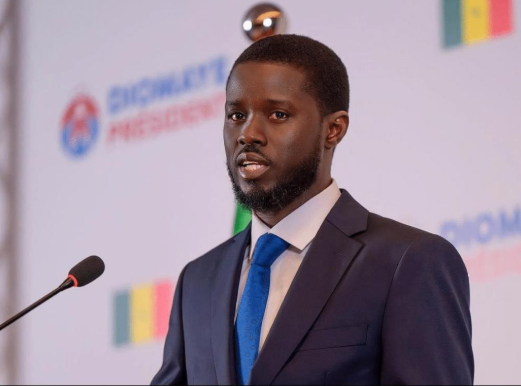
Senegalese President succeeds Sierra Leone’s Julius Maada Bio, pledging to strengthen regional unity, security and economic integration across West Africa.
FREETOWN, Sierra Leone – Senegal’s President, Bassirou Diomaye Faye, has been elected the new Chairman of the Economic Community of West African States (ECOWAS), taking over the leadership of the 15-member regional bloc from Sierra Leonean President Julius Maada Bio.
President Faye was elected during the 69th Ordinary Session of the ECOWAS Authority of Heads of State and Government, held in Freetown, Sierra Leone, where regional leaders gathered to deliberate on pressing political, security and economic challenges facing West Africa.
His election marks another transition in the leadership of the regional organisation, following President Bio’s one-year tenure, which began in June 2025 after he succeeded Nigeria’s President Bola Ahmed Tinubu. Tinubu had previously served two consecutive terms as ECOWAS Chairman before handing over at the 67th Ordinary Session held in Abuja, Nigeria.
In his acceptance remarks, President Faye thanked fellow heads of state for the confidence reposed in him and pledged to work closely with member countries to strengthen regional cooperation, deepen economic integration and address the security challenges confronting the sub-region.
He stressed that ECOWAS must remain united in tackling terrorism, violent extremism, unconstitutional changes of government and transnational crimes, while also promoting democracy, good governance and sustainable development across member states.
President Faye also reaffirmed his commitment to advancing the objectives of the ECOWAS Vision 2050, which seeks to build a peaceful, prosperous and people-centred West Africa through stronger regional collaboration and inclusive economic growth.
The leadership transition comes at a critical period for ECOWAS as the organisation continues to navigate political tensions following the withdrawal of Burkina Faso, Mali and Niger, which formally exited the bloc earlier this year to establish the Alliance of Sahel States (AES).
Regional leaders also discussed efforts to restore stability in areas affected by insecurity, improve trade under the ECOWAS Trade Liberalisation Scheme (ETLS) and enhance the free movement of people and goods within the region.
Political analysts believe President Faye’s election presents an opportunity to rebuild confidence within the regional body and foster dialogue among member states at a time when West Africa faces growing security and economic pressures.
As Chairman, President Faye will oversee ECOWAS meetings, coordinate regional policy initiatives and represent the bloc in engagements with international partners over the next one-year term.

