Burkina Faso Accelerates Infrastructure Development with Focus on Self-Reliance
The West African nation is expanding investments in roads and public infrastructure while promoting domestic resource mobilisation, fuelling debate about Africa's path toward sustainable development and economic independence.

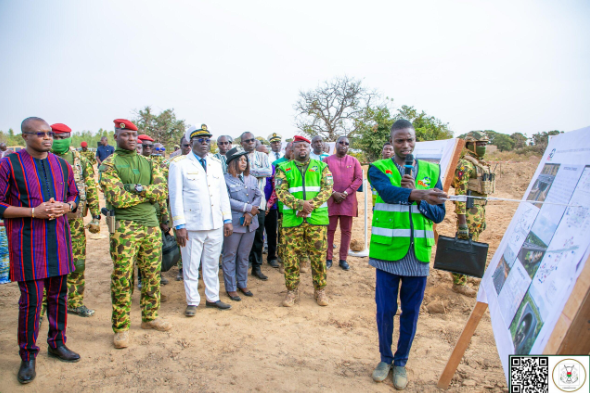
Burkina Faso has intensified its infrastructure development efforts in the first half of 2026, rolling out major investments in roads, public works and national development projects as part of its strategy to strengthen economic growth and improve public infrastructure.
The projects are being implemented under the leadership of Captain Ibrahim Traoré, whose administration has repeatedly emphasized self-reliance, national sovereignty and the use of domestic resources to finance development initiatives.
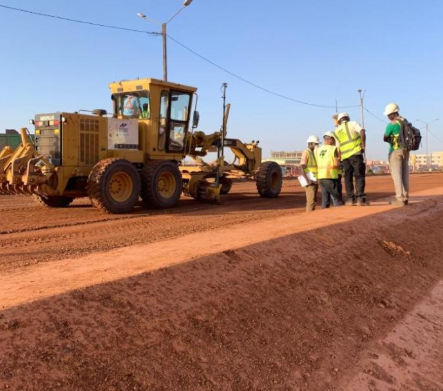
Government officials say the ongoing investments are aimed at improving transportation networks, enhancing public services and supporting long-term economic transformation. Road construction and rehabilitation projects have been identified as key priorities, with authorities seeking to improve connectivity between urban centres and rural communities while facilitating trade and economic activity.
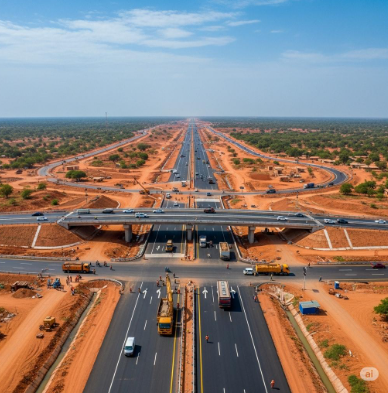
The infrastructure drive also reflects Burkina Faso’s broader ambition to reduce dependence on external financing and strengthen local capacity to deliver large-scale development projects. By prioritising the mobilisation of domestic resources and greater national control over strategic sectors, the government hopes to create a more resilient and self-sustaining economy.
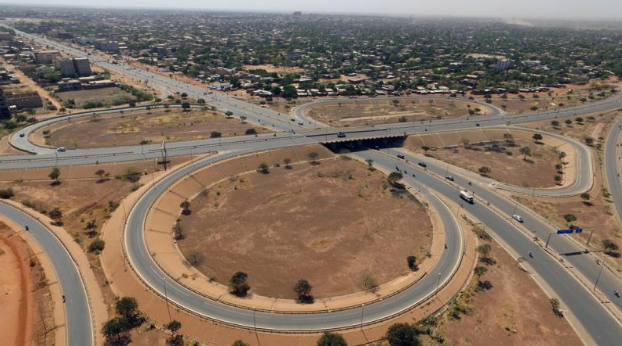
Supporters of the administration have described the approach as an example of African-led development, arguing that increased investment in locally funded infrastructure demonstrates the country’s commitment to economic independence and sustainable growth. They believe the model could encourage other African nations to explore alternative approaches to financing development.
At the same time, economists note that infrastructure development requires significant and sustained investment. While domestic resource mobilisation can strengthen national ownership of development projects, many African countries continue to rely on a combination of local revenues, private investment and international financing to meet their long-term infrastructure needs.
Burkina Faso’s development strategy has nevertheless attracted growing attention across the continent, with policymakers and analysts closely watching how the country balances investment, economic growth and fiscal sustainability.
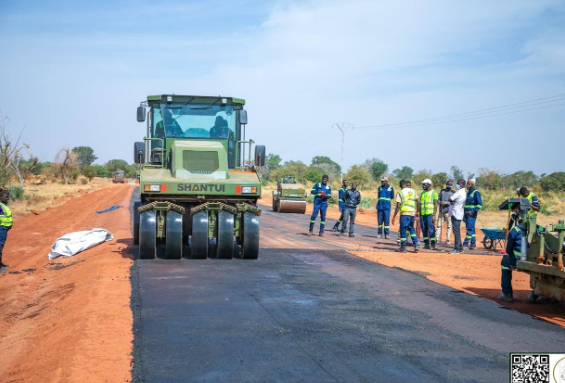
As work continues on key infrastructure projects, the country’s experience is contributing to a broader conversation about how African nations can finance development, strengthen economic resilience and build modern infrastructure while pursuing greater financial independence.
Whether Burkina Faso’s approach becomes a model for other countries remains to be seen, but its emphasis on self-reliance has added a new dimension to discussions about Africa’s development priorities and the future of infrastructure financing on the continent.
TNAM
By Egwu Patience Nnennaya
Wednesday June 24, 2026.