OPEC Cuts 2026 Oil Demand Growth Forecast Again Amid Global Market Uncertainty
The latest downgrade marks the fourth consecutive reduction as disruptions in the Middle East and weaker consumption expectations reshape the outlook for global oil markets.

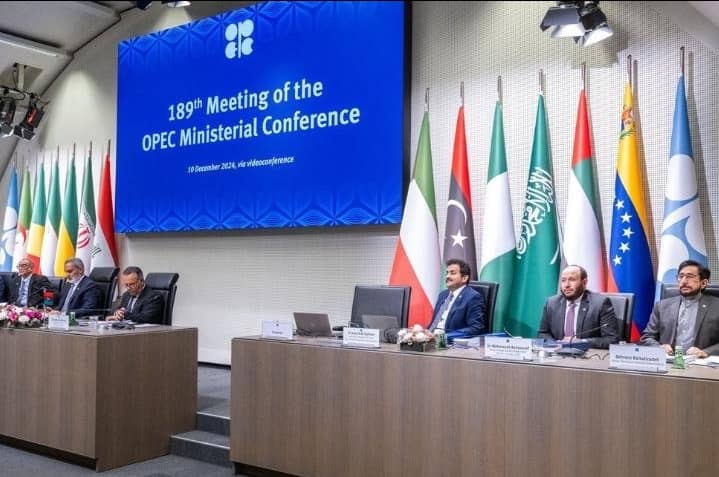
The Organisation of the Petroleum Exporting Countries (OPEC) has lowered its forecast for global oil demand growth in 2026 for the fourth consecutive month, pointing to a slower expansion in consumption as uncertainty continues to weigh on the world energy market.
In its latest monthly oil market report released on Wednesday, August 12, OPEC projected that global oil demand will increase by 580,000 barrels per day (bpd) in 2026, down from its previous estimate of 780,000 bpd.
The latest revision reflects a significantly weaker outlook than OPEC had anticipated earlier in the year. The organisation said the impact of the ongoing Iran conflict on oil consumption has been smaller than initially expected, contributing to the adjustment in its forecast.
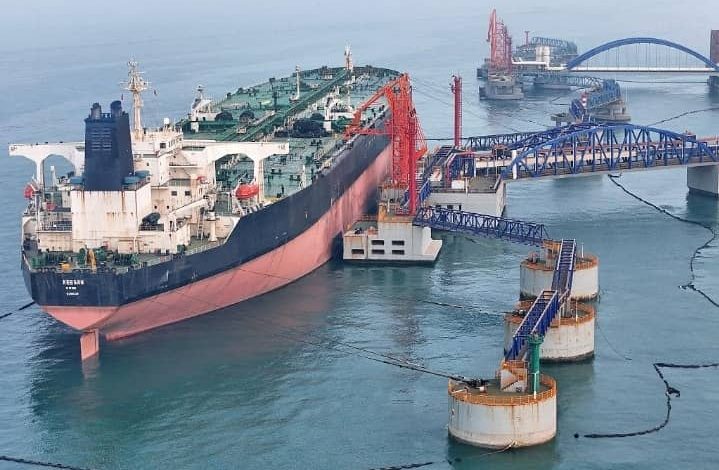
The downgrade comes at a particularly sensitive moment for global energy markets. The conflict in the Middle East and continued uncertainty around the Strait of Hormuz, one of the world’s most important oil shipping routes, have disrupted energy flows and created considerable volatility across the market.
Despite the weaker demand outlook, OPEC remains more optimistic than the International Energy Agency (IEA). While OPEC still expects global oil consumption to grow in 2026, the IEA has projected an overall decline in oil demand for the year, highlighting the unusually wide difference between the two organisations’ assessments of the market.
The IEA has also warned of a severe supply disruption, forecasting that global oil supply could fall by 4.3 million barrels per day in 2026, largely because of continuing disruptions linked to the Middle East conflict and shipping difficulties around the Strait of Hormuz and Red Sea.
For oil-producing countries, the changing outlook presents a complicated economic picture. Lower demand growth could place downward pressure on oil revenues over time, while supply disruptions can push prices higher and increase costs for countries that depend heavily on imported fuel.
The developments are particularly important for Africa. Several African economies, including Nigeria, Angola, Algeria and Libya, depend heavily on oil and gas revenues to support government finances, foreign exchange earnings and economic activity. Changes in global demand and crude prices can therefore have a direct impact on public revenue, currency stability, fuel prices and investment across the continent.
Nigeria, Africa’s largest oil producer, is especially exposed to movements in the international crude market. While higher oil prices can increase government earnings and foreign exchange inflows, prolonged volatility can also make economic planning more difficult and increase pressure on fuel-importing economies.
OPEC’s latest report nevertheless points to a more positive outlook beyond 2026. The organisation has raised its forecast for global oil demand growth in 2027, suggesting that it expects consumption to recover as geopolitical disruptions ease and economic activity strengthens.
The contrasting forecasts from OPEC and the IEA underline the uncertainty currently surrounding the global oil market. Demand is being influenced not only by economic growth but also by geopolitical tensions, changing transportation patterns, energy efficiency, electric vehicles and the wider transition towards alternative sources of energy.
For Africa, the latest developments reinforce the importance of reducing excessive dependence on crude oil revenues while investing in sectors capable of generating long-term and diversified economic growth.
As global energy markets continue to change, African oil-producing countries face increasing pressure to use today’s petroleum revenues to build industries, infrastructure, renewable energy capacity and businesses capable of sustaining economic growth beyond the oil era.
OPEC’s latest forecast is therefore more than a change in an oil-market number. It is another reminder that the global energy economy is changing and African economies will need to prepare accordingly.
TNAM
By Egwu Patience Nnennaya
Thursday August 13th, 2026.