Innovation Starts With Research: Africa Moves to Strengthen Its Science and Technology Future
From health and agriculture to artificial intelligence and clean energy, a new push for collaborative research is seeking to turn African knowledge into practical solutions and stronger economies.

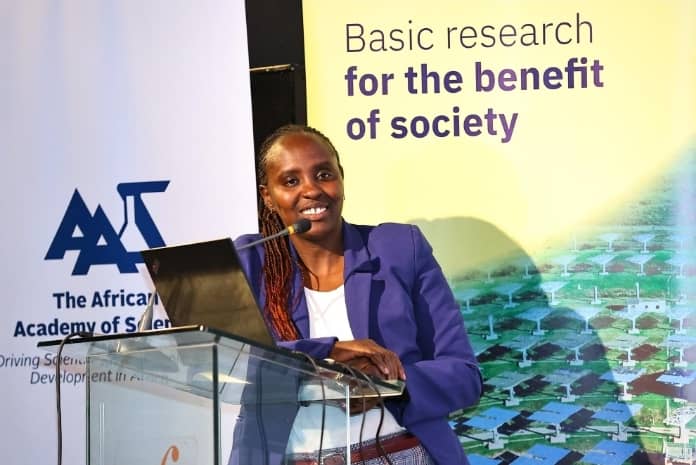
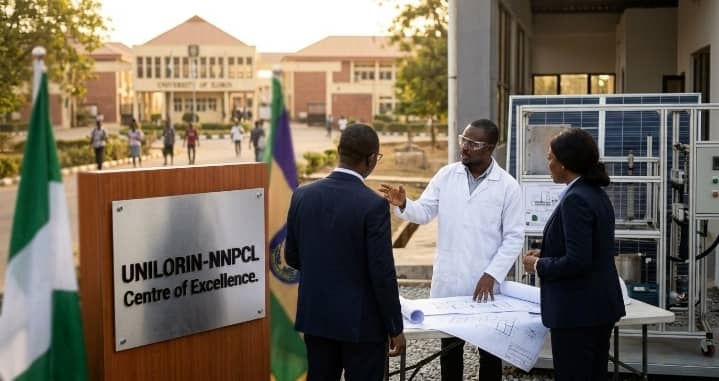
Africa’s ambition to become a more innovative and competitive economy is increasingly shifting attention towards something that often receives less public attention than startups and technology launches: research and development.
Across the continent, governments, universities, research institutions and development partners are recognising that Africa’s ability to solve its own challenges will depend not only on adopting technologies developed elsewhere, but also on strengthening the capacity to develop knowledge, products and technologies at home.
That conversation gained fresh momentum in July 2026 with the launch of a new multilateral research initiative under the Science Granting Councils Initiative (SGCI), supporting the implementation of the African Union’s Science, Technology and Innovation Strategy for Africa 2034 (STISA-2034).
The initiative is calling for collaborative research projects involving institutions across Africa, with funding intended to support research that can contribute directly to development priorities. The programme covers areas including health, agriculture, artificial intelligence and digital technologies, energy and the environment.
The approach reflects a growing understanding that research cannot remain confined to academic publications. For Africa, the greater challenge is turning scientific knowledge into technologies, businesses, public policies and services that improve everyday life.
Consider agriculture. African countries continue to face pressure from climate change, food insecurity, declining soil productivity and rapidly growing populations. Research into drought-resistant crops, irrigation, agricultural technology and improved food-processing methods can help farmers produce more while creating opportunities further along the agricultural value chain.
The same principle applies to healthcare. African researchers are increasingly involved in work addressing diseases and health challenges that disproportionately affect the continent. Stronger research systems can help countries develop better diagnostics, medicines, vaccines and health technologies while reducing dependence on solutions developed entirely outside Africa.
Technology presents another major opportunity.
Artificial intelligence is developing rapidly, but Africa’s role in the AI economy will depend partly on whether its universities, researchers and companies are able to produce knowledge and applications suited to African realities. This includes technologies capable of working across the continent’s diverse languages, improving public services, supporting farmers and businesses, and helping governments make better use of data.
The new SGCI research call is significant because it places collaboration at the centre of this process. Rather than research institutions working in isolation, the programme is designed to encourage researchers from different African countries to work together on shared challenges and strengthen the connection between research, policy and practical innovation.
There is also a strong economic argument for investing in research.
Countries that develop strong research and innovation ecosystems are better positioned to create intellectual property, build technology companies, improve industrial productivity and participate in higher-value global markets. Without that capacity, African economies risk remaining primarily consumers of technologies developed elsewhere, even when many of the problems those technologies are intended to solve originate on the continent.
The gap remains considerable. Research and development investment across Africa is highly uneven, with a relatively small number of countries accounting for much of the continent’s research activity. Egypt, South Africa, Nigeria, Kenya and Rwanda are among the countries identified as having stronger R&D investment and innovation ecosystems, while many other economies remain significantly below the African Union’s long-standing target of dedicating 1% of GDP to research and development.
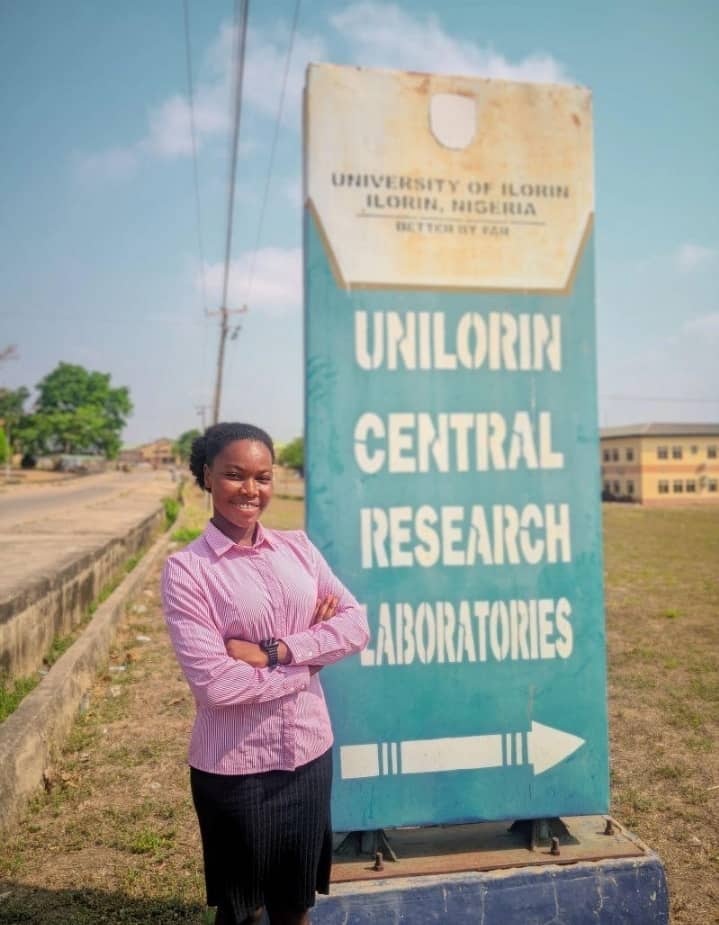
Closing that gap will require more than government funding. Universities need modern laboratories and research infrastructure. Young scientists need opportunities to build careers without leaving the continent. Businesses need incentives to invest in research and commercialise discoveries. Investors need greater confidence that African intellectual property can become viable businesses.
International partnerships will remain important as well, particularly where African institutions can gain access to specialised equipment, expertise, financing and global research networks.
But the ultimate objective should be to build strong African research capacity, rather than creating permanent dependence on external institutions.
The urgency is becoming even clearer as global investment increasingly moves towards strategic technologies. UN Trade and Development reports that international investment is becoming increasingly concentrated in areas such as artificial intelligence infrastructure, semiconductors, critical minerals, energy-transition technologies and advanced manufacturing. Africa attracted about US$70 billion in foreign direct investment in 2025, but much of the investment remains concentrated in a limited number of countries and sectors.
Research can help Africa move further up these value chains.
Instead of simply exporting minerals required for batteries, for example, research can support mineral processing, battery technology and materials science. Instead of importing agricultural technologies, African researchers can develop solutions adapted to local climates and farming systems. Instead of simply consuming artificial intelligence tools, African institutions can contribute to the development of AI systems that understand African languages, markets and social realities.
That is where research becomes more than an academic exercise. It becomes an economic strategy.
Africa has a large young population, expanding universities, growing technology ecosystems and an increasing number of entrepreneurs looking for solutions to local problems. Connecting these resources through stronger research systems could create a pipeline from an idea in a laboratory to a product in the market.
The opportunity is significant, but so is the responsibility.
Africa cannot build a knowledge economy by importing every solution it needs. The continent must increasingly become a place where researchers discover, engineers develop, entrepreneurs commercialise and industries scale.
The next phase of Africa’s transformation may therefore depend not only on how much the continent invests in startups and infrastructure, but on how seriously it invests in the research that makes new ideas possible in the first place.
And as the continent implements STISA-2034, the message is becoming increasingly clear: Africa’s next generation of innovations will have to be researched, developed and built with African priorities at their centre.
The New Africa Youth Economic Summit & Honours 2026, themed “Building Africa’s Future Through Innovation, AI, Youth Enterprise & Strategic Partnerships,” brings this conversation directly into the broader discussion on Africa’s economic future connecting young innovators, businesses, policymakers, investors and institutions working to turn ideas into impact.
Register for the New Africa Youth Economic Summit & Honours 2026: https://forms.gle/9AzcoyauvZnaJpmZ6
TNAM
By Egwu Patience Nnennaya
Thursday August 13th, 2026.