Made in Africa
How African Manufacturing Is Quietly Redefining the Continent's Place in the Global Economy

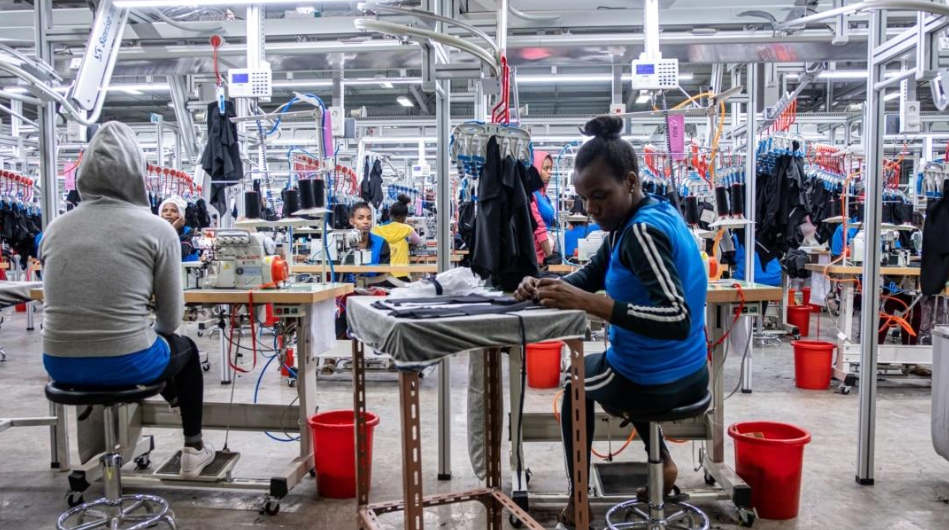
Walk into a supermarket in Lagos, Nairobi or Accra today and one thing is becoming increasingly clear: the label “Made in Africa” is appearing on more shelves than ever before. From Moroccan-built automobiles and Ethiopian garments to Rwandan pharmaceuticals and Ghanaian chocolate, African products are steadily moving beyond local markets and finding their place in regional and international value chains.
For decades, Africa supplied the world with the raw materials that powered global industries. Cocoa from Côte d’Ivoire and Ghana became premium chocolate in Europe. Cobalt from the Democratic Republic of Congo fuelled the global battery industry. Cotton grown across West Africa was processed overseas before returning to African markets as finished clothing. While the continent generated enormous wealth for global supply chains, much of that value was created elsewhere.
That model is now beginning to change.
Across the continent, governments are investing in industrial parks, manufacturers are expanding production and investors are showing renewed confidence in Africa’s industrial future. According to the African Development Bank’s Africa Industrialisation Index 2025, manufacturing value added across Africa increased from US$285 billion in 2020 to US$351 billion in 2025. Although Africa still contributes less than two per cent of global manufacturing output and only 1.4 per cent of global manufacturing exports, the report notes that 41 of Africa’s 54 countries improved their industrialisation performance, signalling what the Bank describes as a “silent but irreversible” industrial transition.
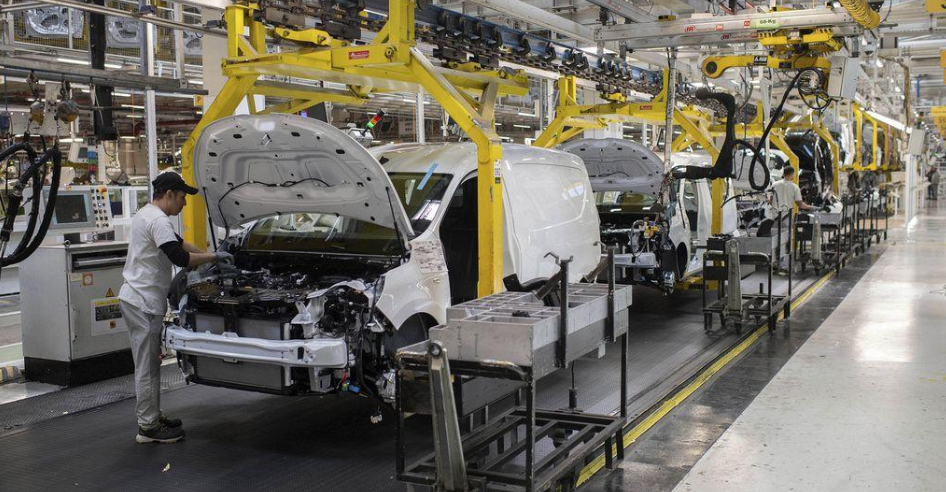
Morocco has emerged as one of the continent’s strongest examples of what deliberate industrial policy can achieve. The country recently overtook South Africa to become Africa’s highest-ranked industrial economy in the African Development Bank’s latest Industrialisation Index, driven by export diversification, automotive manufacturing and sustained investment in industrial development. The country is now strengthening its position even further through the construction of Africa’s first electric vehicle battery gigafactory, a project backed by the African Development Bank with a US$114 million financing package. Once operational, the facility is expected to create hundreds of skilled jobs while positioning Morocco as a regional hub for electric mobility and advanced manufacturing.
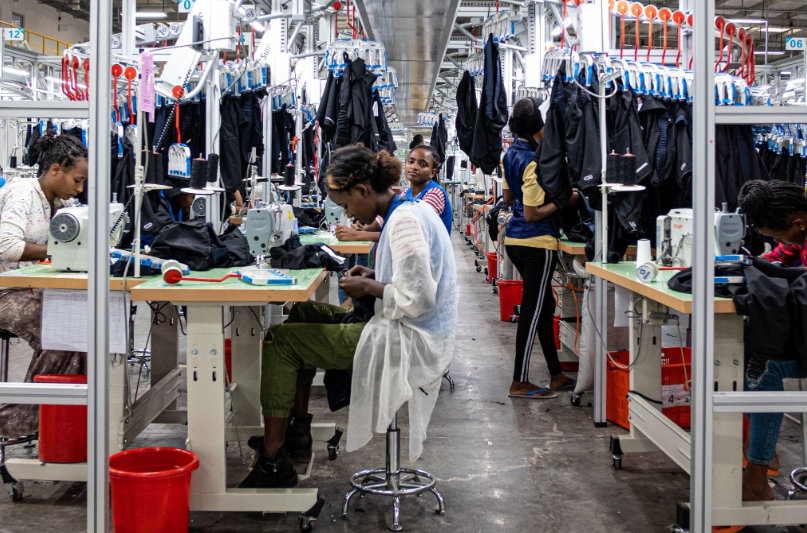
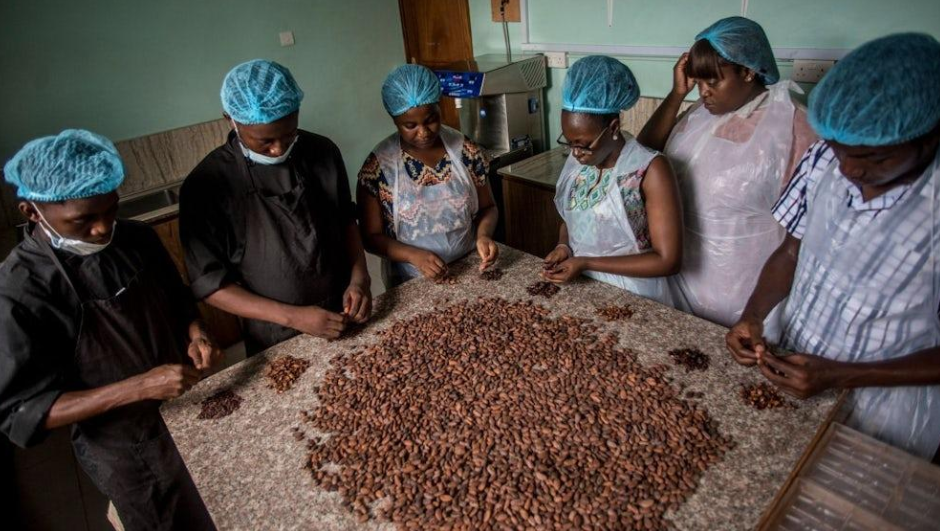
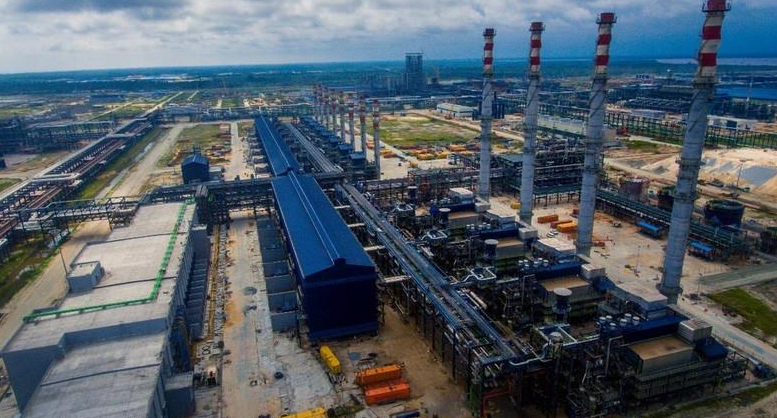
Elsewhere on the continent, Ethiopia’s industrial parks have helped establish the country as a significant textile and garment manufacturing destination, supplying global fashion brands and creating thousands of jobs. Rwanda continues to expand local pharmaceutical manufacturing to reduce dependence on imported medicines, while Ghana has invested in policies that encourage local cocoa processing so that more value is retained within the country before products reach international consumers. Nigeria’s Dangote Refinery, Africa’s largest single-train refinery, represents another milestone in the continent’s drive to process more of its own resources rather than exporting crude and importing refined petroleum products.
These developments point to a broader shift in Africa’s economic strategy. Rather than competing solely as a supplier of raw materials, countries are increasingly focusing on building industries that create skilled employment, strengthen domestic supply chains and improve export competitiveness. The African Continental Free Trade Area (AfCFTA) is expected to accelerate this transition by opening a single market of more than 1.4 billion people, giving African manufacturers greater access to regional consumers and encouraging businesses to produce closer to home. The African Development Bank argues that stronger regional value chains will be essential if Africa is to capture more value from its own resources and compete effectively in the global economy.|
The implications extend far beyond economics. Industrialisation offers one of Africa’s strongest opportunities to address youth unemployment, attract long-term investment and build resilience against global supply chain disruptions. As technologies such as artificial intelligence, clean energy and advanced manufacturing reshape industries worldwide, Africa has an opportunity not only to participate in the next industrial revolution but to help lead it.
It is within this changing landscape that the New Africa Youth Economic Summit & Honours 2026, themed “Building Africa’s Future Through Innovation, AI, Youth Enterprise & Strategic Partnerships,” seeks to convene policymakers, business leaders, investors, innovators and development institutions to explore practical pathways for accelerating Africa’s industrial transformation. The summit aims to move the conversation beyond ambition and towards partnerships capable of unlocking investment, supporting enterprise and strengthening the continent’s manufacturing ecosystem.
The New Africa Group invites corporate organisations, financial institutions, development partners and strategic investors to join this growing movement. Supporting the summit is an opportunity to invest in Africa’s industrial future and in a generation determined to ensure that the words “Made in Africa” become recognised around the world not simply as a label of origin, but as a mark of quality, innovation and global competitiveness.
Register for the New Africa Youth Economic Summit & Honours 2026: https://bit.ly/NAYS2026
TNAM
By Egwu Patience Nnennaya
Monday July 27th, 2026.