Rwanda to Switch Off 3G Network in 2027 as 4G and 5G Rollout Accelerates
The Government of Rwanda has announced that it will phase out its nationwide 3G mobile network by 30 June 2027, marking another significant milestone in the country's digital transformation strategy. The move is designed to accelerate the adoption of high-speed 4G and emerging 5G technologies while improving the quality, reliability and efficiency of mobile communications across the country.

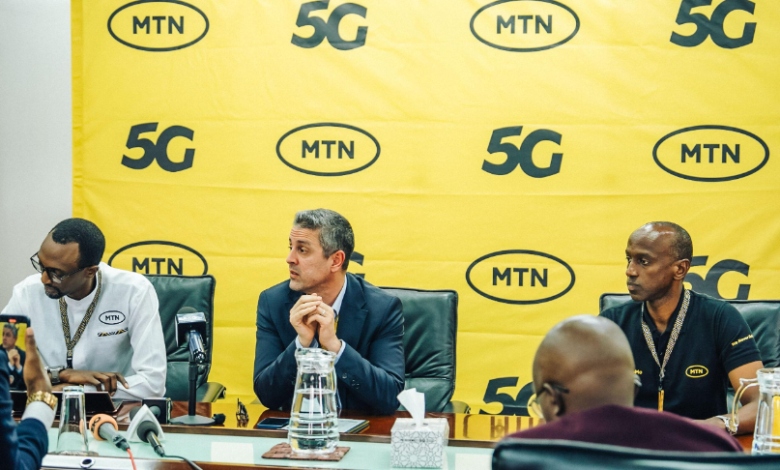
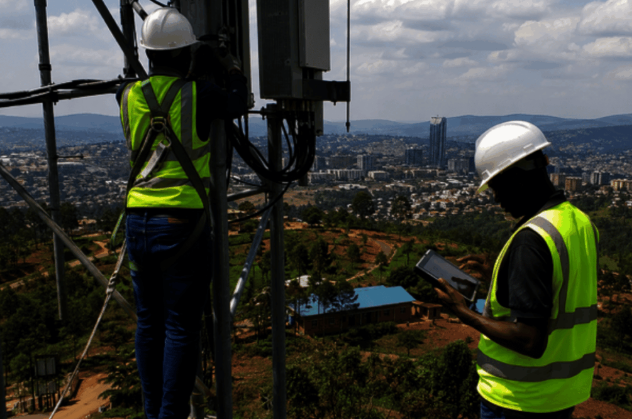
According to Rwanda’s Ministry of Information and Communication Technology and Innovation (MINICT), the retirement of 3G services is part of a broader national plan to modernise telecommunications infrastructure and support the country’s vision of becoming a knowledge-based, digitally connected economy. The ministry also confirmed that 2G services will be phased out after the 3G shutdown, with timelines to be implemented gradually to ensure a smooth transition.
Officials explained that maintaining older mobile technologies alongside newer networks is both costly and inefficient. By switching off 3G, telecommunications operators will be able to repurpose valuable radio spectrum currently used by legacy networks to strengthen 4G coverage and accelerate the rollout of 5G services across Rwanda. This will enable faster internet speeds, improved voice quality, increased network capacity and more reliable connectivity for consumers and businesses alike.
The government says the transition will directly benefit millions of users by improving access to digital services that increasingly rely on high-speed internet. These include mobile banking, digital payments, e-government services, online education, telemedicine, cloud computing and other digital platforms that play an essential role in Rwanda’s growing digital economy. Faster networks are also expected to support innovation in sectors such as agriculture, healthcare, education, manufacturing and financial technology.
To ensure the migration is successful, Rwanda will begin conducting pilot shutdowns later this year before implementing the nationwide switch-off in June 2027. During this period, mobile operators will continue expanding 4G infrastructure, testing network performance and educating customers about the changes. Authorities will also monitor the transition to minimise service disruptions.
The government has urged individuals, businesses and public institutions that still depend on 2G or 3G technology to begin upgrading their devices and systems. This includes equipment used for mobile money services, payment terminals, utility management, transport systems, healthcare, public safety and government operations. Organisations are encouraged to assess their current infrastructure and replace outdated hardware before the transition deadline.

Rwanda has already made significant investments in expanding broadband connectivity over the past decade. The country enjoys one of Africa’s most advanced digital infrastructure programmes, with extensive 4G coverage and an expanding 5G network. Mobile operators have also begun introducing commercial 5G services in key locations, providing ultra-fast internet speeds capable of supporting artificial intelligence, smart city technologies, Internet of Things (IoT) applications and advanced business solutions.
The migration forms part of Rwanda’s long-term digital transformation agenda, which seeks to position the country as one of Africa’s leading technology and innovation hubs. By embracing next-generation telecommunications, Rwanda aims to improve digital inclusion, attract investment, strengthen public service delivery and create new opportunities for businesses and entrepreneurs in the digital economy.
TNAM
By Egwu Patience Nnennaya
Friday July 31st, 2026.