Cameroon finally wins its first Women’s Africa Cup of Nations title
Cameroon finally won the Women’s Africa Cup of Nations on Sunday with a 3-0 victory over tournament debutant Malawi.

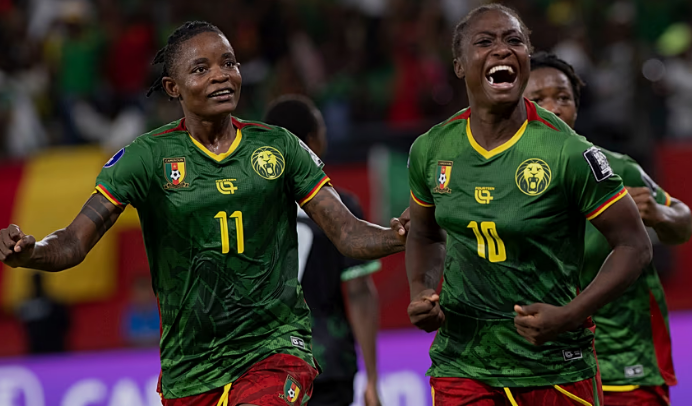
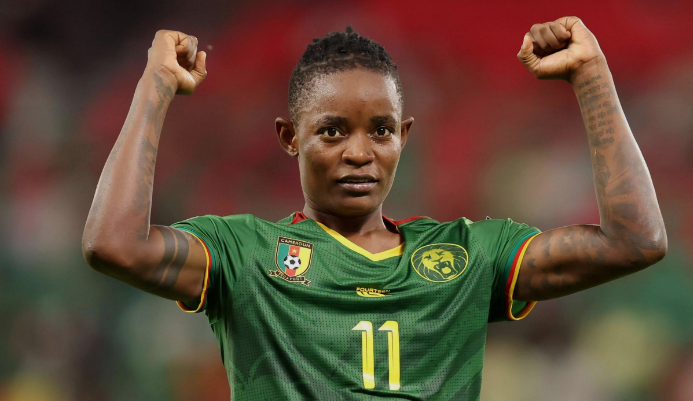
The Indomitable Lionesses defeat Malawi 3–0 in Rabat to claim their first continental title after three previous final defeats.Cameroon have finally reached the top of African women’s football, winning the 2026 TotalEnergies CAF Women’s Africa Cup of Nations (WAFCON) for the first time in their history.
The Indomitable Lionesses defeated Malawi 3–0 in the final on Sunday, August 16, at the Moulay El Hassan Stadium in Rabat, Morocco, producing a devastating first-half performance that settled the contest before the break.
Ngah leads Cameroon to historic victory
Cameroon took control early, with Marie Ngah Manga opening the scoring in the 20th minute.Ten minutes later, Naomi Ndjoah Eto doubled the advantage, finishing from a pass by Myriam Nyadjou. Ngah then returned in first-half stoppage time, scoring her second of the evening in the 48th minute after receiving an assist from Ndjoah Eto.
With Cameroon leading 3–0 at half-time, Malawi faced an enormous challenge in the second half. The Scorchers were unable to find a way back into the game as Cameroon maintained their defensive discipline and saw out the victory. A title 22 years in the making
The triumph carries particular significance because Cameroon had previously reached the WAFCON final three times in 2004, 2014 and 2016 and lost all three finals to Nigeria.
This time, however, the Lionesses finally broke the cycle. Their victory makes Cameroon only the fourth nation to win the Women’s Africa Cup of Nations, joining Nigeria, Equatorial Guinea and South Africa.
An extraordinary route to the final
Cameroon’s road to the trophy was anything but straightforward. The team had not originally qualified for the expanded tournament but entered after CAF increased the competition from 12 to 16 teams.
Once given the opportunity, the Lionesses made the most of it. They defeated Ghana during the group stage before producing one of the tournament’s biggest shocks by eliminating defending champions and 10-time winners Nigeria 1–0 in the quarter-finals.
Cameroon then faced hosts Morocco in the semi-final. After 120 minutes without a goal, the Lionesses held their nerve to win 3–1 on penalties and secure their place in the final.
They entered the final having navigated a knockout stage featuring two of Africa’s strongest teams Nigeria and Morocco without conceding a goal.
Although Malawi could not complete their remarkable journey with the trophy, the Scorchers leave Morocco with their reputation significantly elevated. The 2026 tournament was Malawi’s first-ever appearance at the Women’s Africa Cup of Nations, yet they reached the final, becoming the first Southern African debutants to reach the competition’s deciding match.
The team had already stunned Nigeria 3–2 in the group stage, topped their group and subsequently defeated Ghana and Algeria on their way to the final. Much of Malawi’s attacking threat came from sisters Temwa and Tabitha Chawinga, who became two of the most recognisable players of the tournament.
The 2026 WAFCON was historic beyond Cameroon’s victory. For the first time, the tournament featured 16 teams, giving more African nations the opportunity to compete at the continent’s highest level. The competition also served as Africa’s qualification pathway for the 2027 FIFA Women’s World Cup in Brazil.
Cameroon, Malawi, Morocco and Algeria secured automatic qualification for the 2027 World Cup by reaching the semi-finals. South Africa and Ghana also advanced to the World Cup play-off pathway.
The tournament also marked a significant shift in the balance of power in African women’s football. For the first time, none of the three previous WAFCON champions reached the semi-finals, while Nigeria Africa’s most successful women’s team missed out on qualification for the 2027 World Cup.
For Cameroon, this is the culmination of years of near misses. The team had repeatedly come close to continental glory, only to fall short at the final hurdle. In Rabat, they produced perhaps their most important performance yet scoring three goals before half-time and refusing to allow Malawi back into the contest.
For Marie Ngah Manga, her two goals in the final also took her tournament tally to five, putting her level with Malawi’s Temwa Chawinga at the top of the scoring charts.
TNAM
By Egwu Patience Nnennaya.