Kenya is stepping up efforts to strengthen its manufacturing and export sectors with a $92.7 million investment in a new Special Economic Zone (SEZ) in Mombasa, a project expected to create thousands of jobs and attract local and international manufacturers.
The 12 billion Kenyan shilling project will develop the Jomvu Special Economic Zone through a partnership involving the Mombasa County Government, Mombasa Free Zone Ltd and global logistics company DP World. The agreement was announced on September 8 as Kenya seeks to position the coastal city as a major industrial and export hub.
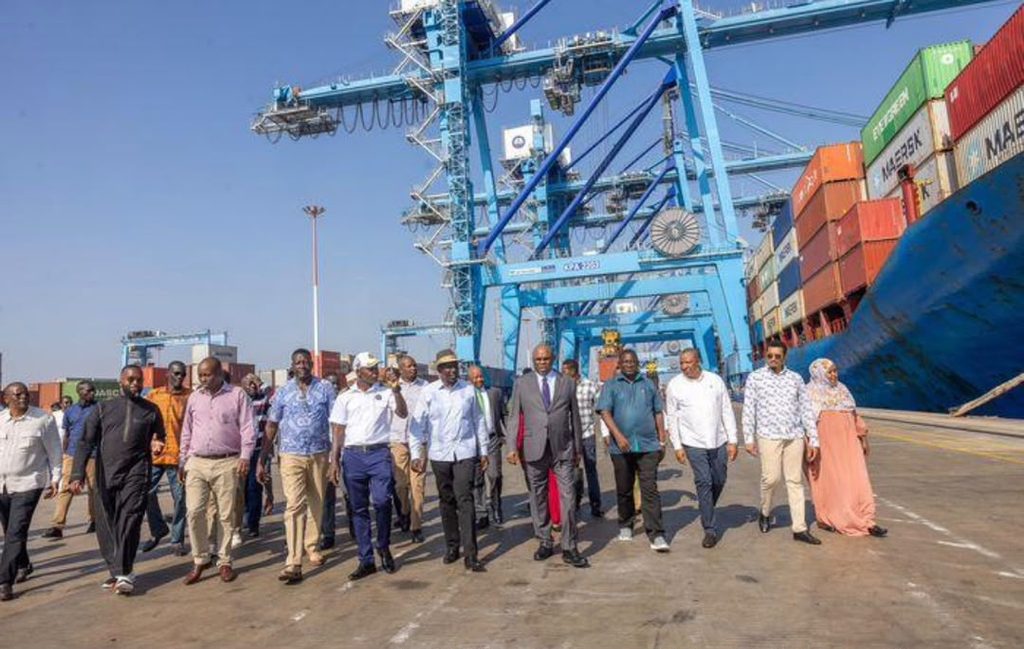
The planned zone will cover about 535 acres (217 hectares) and will be strategically connected to Kenya’s Standard Gauge Railway and Northern Corridor, giving businesses access to the country’s domestic market as well as regional and international trade routes.
10,000 jobs expected in first phaseThe first phase of the project is expected to create approximately 10,000 jobs, while the completed development is projected to support more than 20,000 direct and indirect jobs, according to DP World. More than 60 local and international companies have already expressed interest in establishing operations within the zone.
The industrial park is expected to accommodate businesses involved in manufacturing, processing, assembly, value addition and exports.
For Kenya, the objective is to move beyond exporting raw or minimally processed commodities and increase the production of higher-value goods within the country.
President William Ruto has described the project as part of the government’s broader effort to transform Kenya from an agricultural economy into a more production- and export-oriented economy.
Mombasa’s strategic advantageThe location of the industrial zone is central to Kenya’s plans. Mombasa is home to the country’s major seaport and serves as an important gateway to East and Central Africa. The new zone’s connection to the port, railway and road network is expected to reduce logistical barriers for manufacturers and make it easier for businesses to move goods into Kenya and neighbouring markets. The development will also give companies operating in the zone access to markets within the East African Community (EAC), the Common Market for Eastern and Southern Africa (COMESA) and other African markets. Ruto sets six-month deadlineThe Kenyan government is also pushing for a rapid implementation of the project.
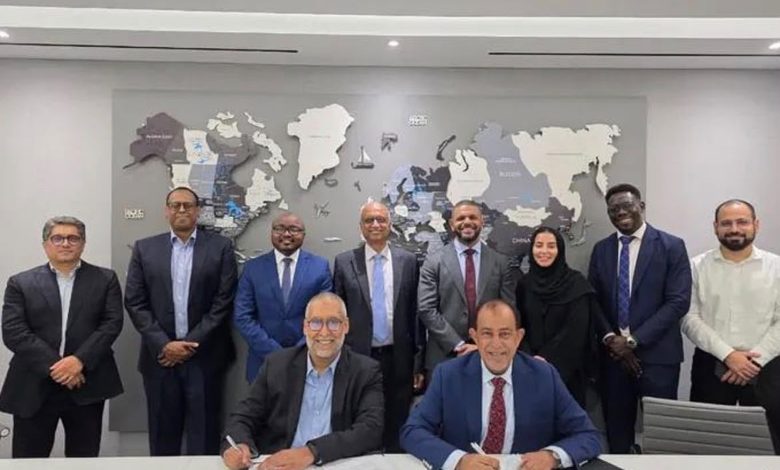
President Ruto said on September 8 that he had directed the developers to complete the Mombasa Special Economic Zone within six months, reflecting his administration’s emphasis on attaching firm deadlines to major infrastructure projects. DP World and GulfCap Africa have signed a shareholders’ agreement formalising the partnership behind the planned 222-hectare Special Economic Zone. The first phase will cover 40 hectares before the wider development is expanded.
Part of Kenya’s industrialisation driveThe Mombasa project fits into Kenya’s wider strategy of using Special Economic Zones to attract investment, expand manufacturing and increase exports. The country’s SEZ programme is designed to encourage value addition, technology development, local entrepreneurship and regional industrialisation, while providing businesses with infrastructure and investment incentives.
Mombasa already has several major industrial and logistics developments, including the larger Dongo Kundu Special Economic Zone, located close to the port, railway, airport and Southern Bypass. The area has been planned for manufacturing, processing, assembly and other trade-related activities. A push to make Africa more competitive The Mombasa investment comes at a time when African countries are increasingly seeking to keep more value from their natural resources and expand domestic manufacturing. For Kenya, the goal is not simply to attract factories. By linking industrial production with the port, railway and regional trade corridors, the country is seeking to build a system in which goods can be manufactured, processed and exported from Kenya to markets across Africa and beyond.
If successfully delivered, the Jomvu Special Economic Zone could strengthen Mombasa’s position as an industrial gateway while creating thousands of jobs and providing a new platform for Kenya’s manufacturing ambitions.
The project therefore represents another step in Kenya’s broader attempt to shift from an economy driven heavily by raw production and imports towards one built increasingly around manufacturing, value addition and African trade.
TNAM