Nigeria Approves Modernisation of Four Eastern Ports to Expand Trade and Maritime Capacity

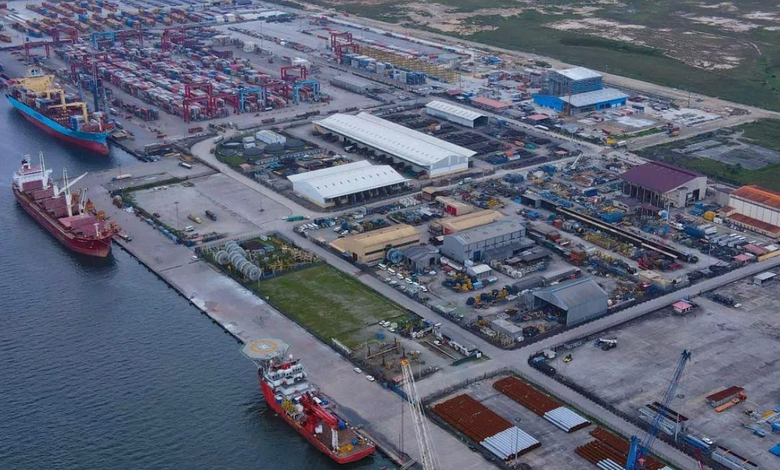
Nigeria’s Federal Government has approved the comprehensive modernisation and upgrade of Onne Port, Rivers Port, Delta Port and Calabar Port, expanding its port-renewal programme beyond Lagos as the country seeks to strengthen trade, reduce cargo concentration and build a more efficient maritime network.
The Minister of Marine and Blue Economy, Adegboyega Oyetola, announced the approval on September 27, 2026, saying the programme is designed to create additional gateways for international trade and strengthen the role of the eastern ports in Nigeria’s economic and industrial development.
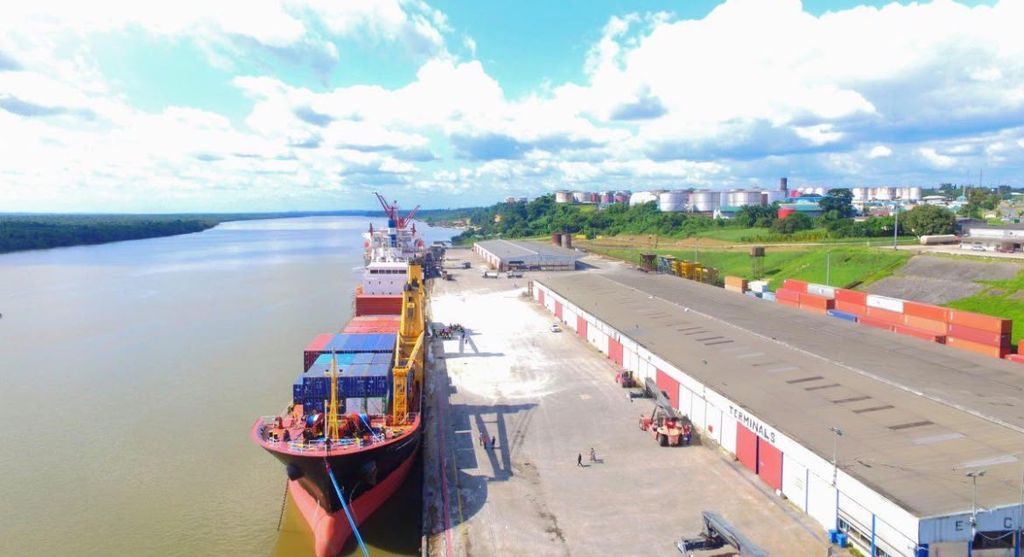
The four ports are located across three states: Onne and Rivers ports in Rivers State, Delta Port in Delta State and Calabar Port in Cross River State. They are part of the Nigerian Ports Authority’s network of major ports outside Lagos.
Why the Government Is Expanding the Upgrade Programme
The latest approval follows the Federal Government’s earlier decision to modernise Apapa and Tin Can Island ports in Lagos.
Oyetola said extending the programme to the eastern ports would help reduce the heavy concentration of cargo traffic around Lagos by providing more efficient alternative gateways for international trade.
The government expects the upgrades to improve cargo handling, reduce the amount of time vessels spend at the ports and strengthen connections between different regions of the country.
The minister also said better infrastructure and more efficient port operations should make the movement of goods more predictable and cost-effective for businesses.
Four Ports at the Centre of the Programme
Onne Port, Rivers State
Onne Port is located in Rivers State and is one of the major ports serving Nigeria’s eastern maritime corridor.
The Nigerian Ports Authority lists Onne Port Complex as one of its principal port locations. The port has become an important gateway for cargo and maritime-related industrial activity in the Niger Delta.
The government’s proposed modernisation is expected to improve its ability to handle cargo efficiently and support the wider logistics network connecting the South-South and South-East regions with domestic and international markets.
Rivers Port, Rivers State
Rivers Port is located in Port Harcourt and is another major component of the eastern port system.
The NPA identifies Rivers Port Complex among Nigeria’s principal ports and maintains a dedicated port management structure for the facility.
The port has historically played a role in serving businesses and consumers across the eastern and southern parts of Nigeria. Earlier NPA assessments identified infrastructure and operational improvements as important to making eastern ports more competitive alternatives to Lagos.
Delta Port , Delta State
Delta Port is located in Warri and forms part of the eastern port corridor.
The NPA lists Delta Ports among Nigeria’s major port facilities, with the complex serving maritime and cargo operations in the region.
Modernising the facility is expected to strengthen its contribution to regional trade and improve the movement of goods through the Niger Delta and surrounding markets.
Calabar Port, Cross River State
Calabar Port is located in Cross River State and has a long history as a commercial gateway for the eastern and northern parts of Nigeria.
The NPA describes Calabar Port as a multipurpose facility. Its operational requirements include regular dredging to maintain navigational depth, while the port has facilities operated by private terminal companies.
The Federal Government’s approval places Calabar alongside the other three eastern ports in the wider modernisation programme.
What the Upgrades Are Expected to Deliver
The Federal Government has identified several expected outcomes from the modernisation programme.
According to Oyetola, the upgraded ports should:
- Increase cargo-handling efficiency
- Reduce vessel turnaround times
- Improve regional connectivity
- Make cargo movement more predictable
- Reduce the cost of moving goods
- Provide additional gateways for international trade
- Support industrial activity and regional development
- Strengthen Nigeria’s overall maritime capacity
The government also sees more efficient ports as a way to support investment, employment and economic diversification.
From Ports to an Integrated Transport Network
The Federal Government says the strategy goes beyond simply upgrading port terminals.
Oyetola said the long-term objective is an integrated maritime and logistics system in which ports, roads, railways, inland waterways and other transport infrastructure work together to move cargo more efficiently across Nigeria.
Such integration would allow goods arriving at the ports to connect more easily with inland markets and industrial centres.
The government says this should reduce the time and resources businesses spend transporting goods and create stronger economic corridors across the country.
Six New Deep Seaports Also Planned
The eastern port upgrades form part of a much larger maritime infrastructure programme.
The Federal Government has also approved plans for six proposed deep seaports:
- Ibom Deep Seaport — Akwa Ibom State
- Bakassi Deep Seaport — Cross River State
- Agge Deep Seaport — Bayelsa State
- Gateway Deep Seaport — Ogun State
- Ondo Deep Seaport — Ondo State
- Bonny Deep Seaport — Rivers State
The government says combining the modernisation of existing ports with the development of new deep seaports will expand Nigeria’s maritime capacity and create stronger economic corridors.
Oyetola described the approach as a strategy to position Nigeria as a major maritime and logistics hub in Africa.
The Broader Push to Build Nigeria’s Maritime Economy
The Federal Government is also pursuing other initiatives aimed at increasing activity in Nigeria’s maritime sector.
The programme includes efforts to attract private investment, strengthen indigenous participation in shipping and improve the infrastructure connecting ports to other parts of the economy.
The government has also been pursuing development of the proposed Badagry Deep Seaport in Lagos, with discussions involving APM Terminals.
Separately, the Cabotage Vessel Financing Fund is being positioned to provide financing for eligible Nigerian maritime operators and increase local participation in shipping.
While the approval represents a significant expansion of the port modernisation programme, the government has not yet disclosed the total financial value of the four-port upgrade programme.
There is also no publicly announced detailed breakdown of:
- The specific infrastructure works planned at each port
- The financing structure
- The contractors or concessionaires involved
- The procurement timetable
- The exact construction or completion dates
Those details will be important in determining the scale and timing of the projects.
For now, the approval establishes the four eastern ports as part of Nigeria’s wider port-modernisation strategy.
If implemented alongside the planned deep seaports and improved road, rail and inland-waterway connections, the programme could expand the number of effective trade gateways available to businesses and reduce Nigeria’s dependence on a heavily concentrated Lagos port system.
The government says it will work with state governments, terminal operators, investors, shipping companies and other stakeholders to move the projects forward and translate the infrastructure plans into economic activity and jobs.
TNAM