Guinea Plans Five Alumina Refineries by 2030 as Africa Pushes to Process More Minerals Locally

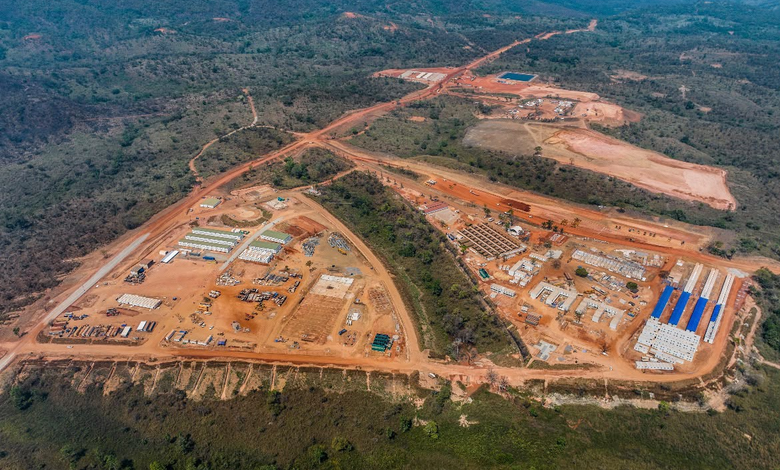
The West African country is seeking to turn its position as the world’s largest bauxite producer into a larger industrial base, with plans for alumina refining and future aluminium production.
Guinea is stepping up efforts to process more of its mineral resources at home, with plans to develop five alumina refineries by 2030 as African governments seek to capture more economic value from their natural resources.
The country, which recently overtook Australia as the world’s largest producer and exporter of bauxite, is encouraging investors to move beyond mining and invest in processing facilities that can supply industries such as construction, transport and packaging.
According to government officials cited by Reuters on October 19, three alumina refineries are already under construction. Guinea is targeting a combined annual production capacity of between seven million and eight million tonnes across five refineries by the end of the decade.
The plans form part of a broader effort across Africa to expand local mineral processing, attract industrial investment and reduce dependence on exporting raw materials.
From Bauxite Exports to Industrial Production
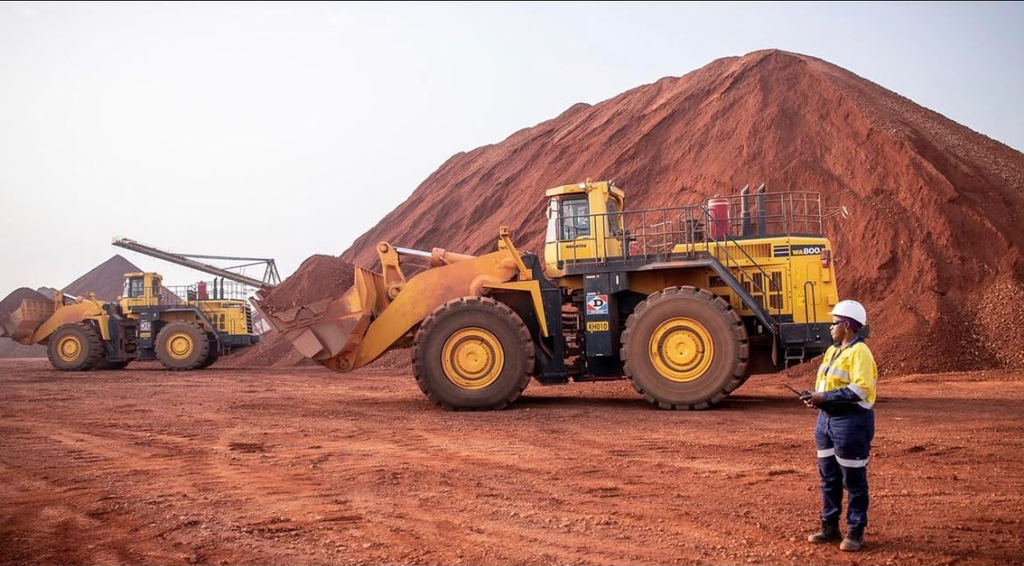
Bauxite is the principal raw material used to produce alumina, which is then processed into aluminium. The metal is widely used in vehicle manufacturing, construction, electrical equipment and packaging.
Despite Guinea’s substantial bauxite production, much of its output has historically been exported for processing elsewhere, particularly to China.
Developing domestic refineries would allow the country to participate in more stages of the aluminium supply chain, potentially creating additional opportunities in industrial services, transport, engineering and skilled employment.
Guinea is also accelerating plans to develop iron ore pellet plants, with steel production identified as a possible next stage of its industrial development.
To attract investment, the government is offering incentives that include access to mining rights and certain tax holidays. Officials have also indicated that companies seeking access to bauxite resources could be encouraged to invest in processing facilities and supporting infrastructure, including railways.
Investment Interest Extends Across Africa
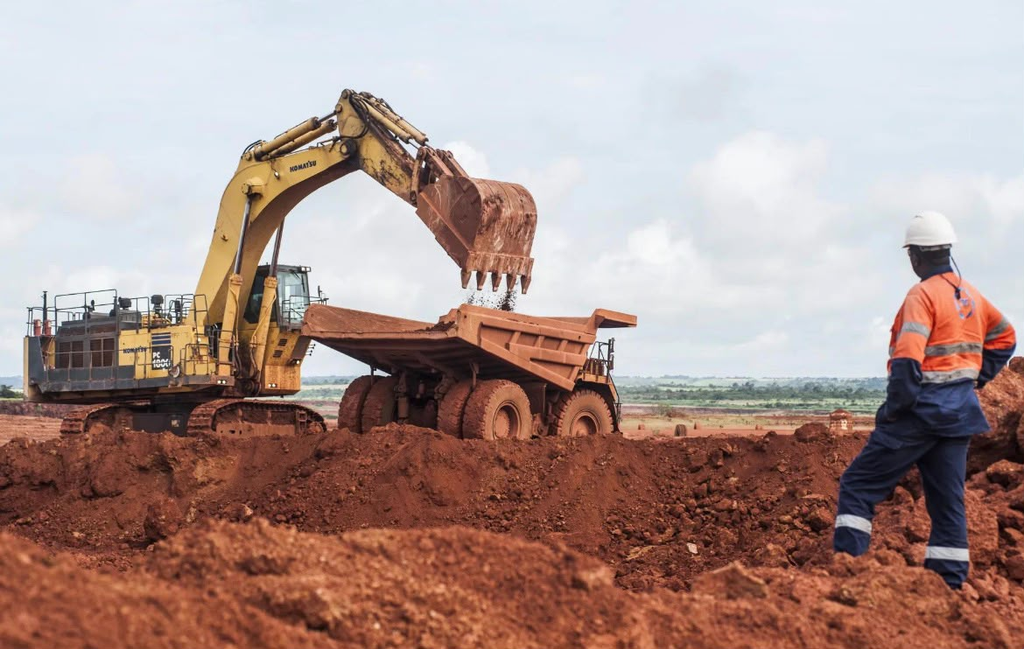
Guinea’s plans reflect a wider shift among African mineral producers seeking to develop domestic processing capacity rather than rely primarily on raw material exports.
In Zimbabwe, lithium processing has become part of efforts to capture more value from minerals used in batteries and energy storage. Across the continent, investors and development finance institutions are also examining opportunities in refining, smelting and related industrial infrastructure.
The US International Development Finance Corporation and Africa Finance Corporation are among the institutions supporting mineral-processing projects and exploring further investment opportunities.
For African economies, expanding local processing could help develop manufacturing supply chains, create new business opportunities and retain a greater share of the value generated from mineral resources.
However, building refineries and smelters requires substantial capital, dependable supplies of raw materials and access to buyers willing to purchase the finished products.
Reliable Electricity Remains Critical
One of Guinea’s biggest challenges is securing sufficient, affordable electricity to support the planned expansion.
The country currently generates approximately 1,000 megawatts of electricity, largely from hydropower. Government officials estimate that between 5,000 and 10,000 megawatts could be needed to support its broader industrialisation ambitions, including the proposed aluminium smelters.
Although Guinea exports electricity to neighbouring countries during the rainy season, it also imports power during drier months, highlighting the need for a more reliable year-round supply.
The experience of South Africa’s ferrochrome industry illustrates the importance of this issue. High electricity costs have contributed to the closure of numerous smelters, weakening the country’s ability to process minerals competitively.
Industry representatives have stressed that reliable energy, consistent supplies of raw materials, stable government policies, access to financing and committed buyers must develop together for large processing projects to succeed.
For Guinea, the challenge is therefore not simply to build more refineries, but to establish the infrastructure and investment conditions needed to keep them operating competitively.
If the country meets its targets, the expansion could strengthen its position in the global aluminium supply chain while providing a model for other African economies seeking to move from exporting raw minerals towards higher-value industrial production.
TNAM