Nigeria to track poverty, incomes as government seeks proof reforms are working
The new framework will monitor poverty, household incomes and inequality as the government seeks to measure whether President Bola Tinubu's economic reforms are improving the lives of Nigerians.

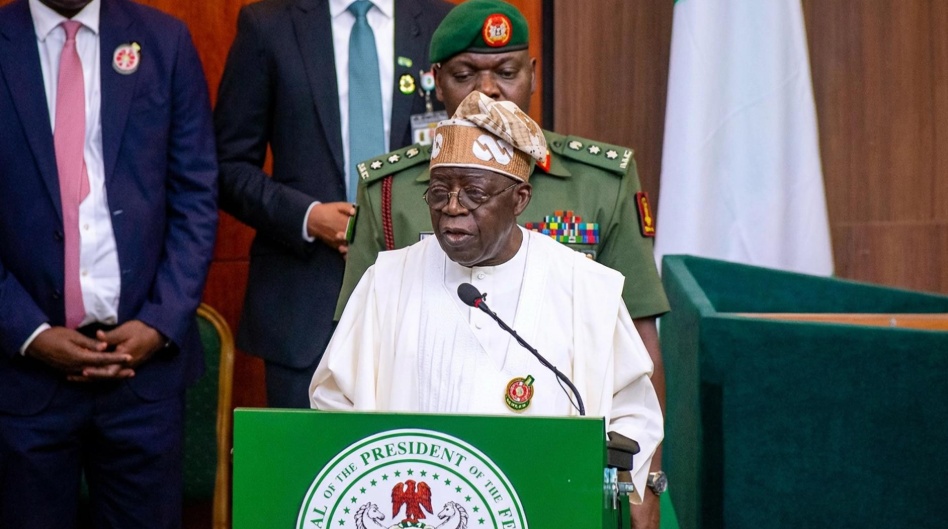
Government introduces a new scorecard to track poverty, household income and inequality as it seeks to show whether economic reforms are improving the lives of Nigerians.
ABUJA, Nigeria, The Federal Government of Nigeria is set to introduce a new national scorecard that will measure poverty, household incomes and income inequality as part of efforts to evaluate the real impact of President Bola Ahmed Tinubu’s economic reforms on citizens’ living standards.
The initiative was announced by Taiwo Oyedele, Chairman of the Presidential Committee on Fiscal Policy and Tax Reforms, during an economic conference in Lagos. He said the new framework would move beyond traditional economic indicators by focusing on whether ordinary Nigerians are experiencing tangible improvements in their quality of life.

According to Oyedele, the scorecard will monitor three key areas: reductions in multidimensional poverty, growth in real income per person, and a decline in income inequality. The data will be used to assess whether the government’s economic policies are delivering shared prosperity rather than only improving macroeconomic indicators.
Since assuming office in 2023, President Tinubu’s administration has implemented wide-ranging reforms, including the removal of the petrol subsidy and the liberalisation of the foreign exchange market. While the measures have received support from international financial institutions and investors, they have also contributed to rising living costs, with many Nigerians facing higher food, transport and energy expenses.
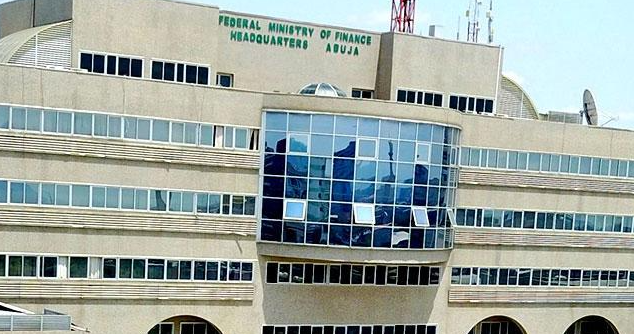
Government officials say the new reporting system is intended to provide a clearer picture of how reforms are affecting households and to ensure that future policy decisions are guided by measurable outcomes rather than economic growth figures alone. The scorecard will be managed by the Federal Ministry of Finance, although no official date has yet been announced for its first publication.
The announcement comes as Nigeria continues efforts to stabilise its economy through fiscal and monetary reforms. According to the International Monetary Fund (IMF), recent reforms have strengthened macroeconomic resilience, but poverty and food insecurity remain significant challenges, with many households yet to feel the benefits of the government’s policies.
Economic analysts believe the planned scorecard could improve transparency by providing regular updates on how reforms are affecting ordinary Nigerians. They also argue that publicly tracking poverty and household incomes could help shape more targeted social intervention programmes and strengthen public confidence in economic policymaking.
If successfully implemented, the initiative would mark a shift in how Nigeria measures economic progress, placing greater emphasis on improvements in citizens’ welfare alongside broader indicators such as inflation, investment and economic growth.
TNAM
By Egwu Patience Nnennaya
Friday 17th July, 2026.