Agenda 2063; How the African Union’s Blueprint Is Shaping the Continent’s Future Through Industrialisation, Innovation and Inclusive Growth

More than a decade after its adoption, the African Union’s Agenda 2063 continues to serve as the continent’s long-term blueprint for economic transformation, regional integration and sustainable development. Launched in 2015, the 50-year strategic framework outlines Africa’s collective vision of becoming a prosperous, peaceful and self-reliant continent, driven by its own citizens and positioned as a strong global player.
Agenda 2063 was developed in response to a growing recognition that Africa’s future depends not only on economic growth but also on industrialisation, innovation, infrastructure development, quality education, good governance and stronger regional cooperation. The framework is built around seven Aspirations, which include creating inclusive and sustainable economies, promoting peace and security, strengthening democratic governance, empowering women and young people, and advancing Africa’s cultural identity and global influence.
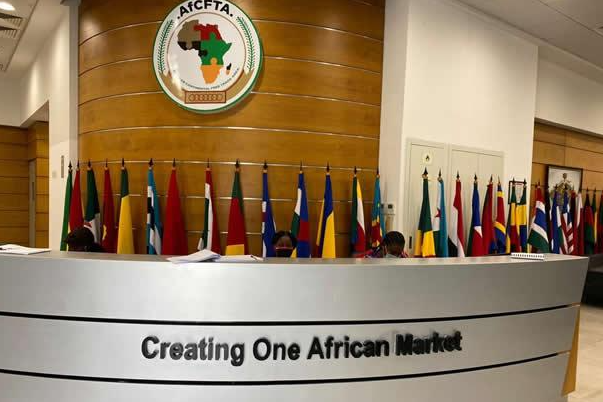
One of the strategy’s defining pillars is industrialisation. The African Union believes that Africa must move beyond exporting raw materials and instead build industries capable of processing its own resources, creating quality jobs and increasing the value of products manufactured on the continent. This vision aligns closely with the African Continental Free Trade Area (AfCFTA), which is opening new opportunities for African businesses by creating a single market of more than 1.4 billion people with a combined GDP exceeding US$3 trillion.
Progress towards Agenda 2063 is already visible across several sectors. Morocco continues to strengthen its automotive and renewable energy industries, becoming one of Africa’s leading manufacturing hubs. Rwanda has expanded digital government services while positioning itself as a regional centre for technology and innovation. Kenya remains a leader in digital financial inclusion through mobile money platforms, while Nigeria’s growing fintech ecosystem continues to attract international investment and create employment for thousands of young professionals. Across the continent, investments in transport corridors, energy infrastructure and digital connectivity are helping lay the foundation for a more integrated African economy.
The African Development Bank has repeatedly identified industrialisation, regional integration and digital transformation as essential drivers of Africa’s economic future. Likewise, the United Nations Economic Commission for Africa (UNECA) has emphasised that implementing Agenda 2063 alongside the Sustainable Development Goals can accelerate inclusive growth, reduce poverty and improve living standards across the continent.
Youth empowerment remains central to the success of Agenda 2063. With Africa projected to have the world’s largest working-age population by 2050, creating opportunities for young people through entrepreneurship, skills development, innovation and decent employment has become a strategic priority. Development experts argue that investing in Africa’s youth today will determine the continent’s competitiveness and resilience for decades to come.
Climate resilience and sustainable development are also becoming increasingly important within the Agenda 2063 framework. African governments are investing in renewable energy, climate-smart agriculture, green industrialisation and digital technologies to ensure economic progress is achieved while protecting the environment and strengthening resilience against climate change.
Despite notable progress, significant challenges remain. Infrastructure deficits, financing gaps, political instability in parts of the continent and uneven implementation across member states continue to slow the pace of transformation. However, policymakers maintain that stronger partnerships between governments, development institutions, investors, the private sector and civil society will be essential to achieving the Agenda’s long-term aspirations.
As Africa continues to pursue the vision outlined in Agenda 2063, collaboration and dialogue have never been more important. The New Africa Youth Economic Summit & Honours 2026, themed “Building Africa’s Future Through Innovation, AI, Youth Enterprise & Strategic Partnerships,” seeks to contribute to this continental vision by bringing together policymakers, business leaders, innovators, investors and development partners to explore practical solutions for accelerating economic transformation and empowering the next generation of African leaders.
The New Africa Group invites governments, development institutions, corporate organisations, financial institutions and strategic investors to partner with the summit in advancing the shared goals of industrialisation, innovation, youth enterprise and sustainable development across Africa. Together, these partnerships can help turn the ambitions of Agenda 2063 into measurable progress that benefits communities across the continent.
Register for the New Africa Youth Economic Summit & Honours 2026: https://forms.gle/9AzcoyauvZnaJpmZ6
TNAM