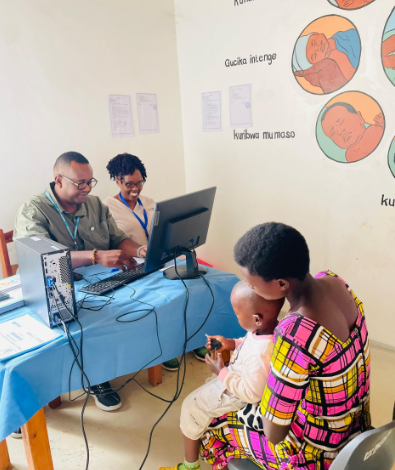

Healthcare innovation is rapidly reshaping Africa’s health systems as governments, researchers and technology companies embrace digital solutions to improve access to quality healthcare. From artificial intelligence and telemedicine to drone medicine delivery and digital health records, innovation is helping countries address long-standing challenges, including shortages of healthcare workers, limited access to specialist care and unequal healthcare delivery in rural communities.
The continent is increasingly demonstrating that healthcare innovation is not only about adopting new technologies but also about developing solutions tailored to Africa’s unique realities. As demand for quality healthcare continues to grow, countries are investing in digital infrastructure and innovative health systems that improve patient outcomes while strengthening resilience against future public health emergencies.

According to the World Health Organization (WHO), digital health technologies have become essential tools for achieving universal health coverage, improving disease surveillance, strengthening health systems and expanding access to healthcare services, particularly in underserved communities. WHO continues to support African countries in scaling digital health solutions that promote data-driven decision-making and improve the quality of care.
One of the latest examples comes from Ghana, where the government, in partnership with the World Health Organization (WHO) and the United Nations Development Programme (UNDP), recently launched an artificial intelligence-driven health programme designed to strengthen healthcare systems, improve disease surveillance and enhance emergency preparedness. The initiative will use AI to support health workers, improve decision-making and help protect vulnerable populations from climate-sensitive diseases and other public health threats.
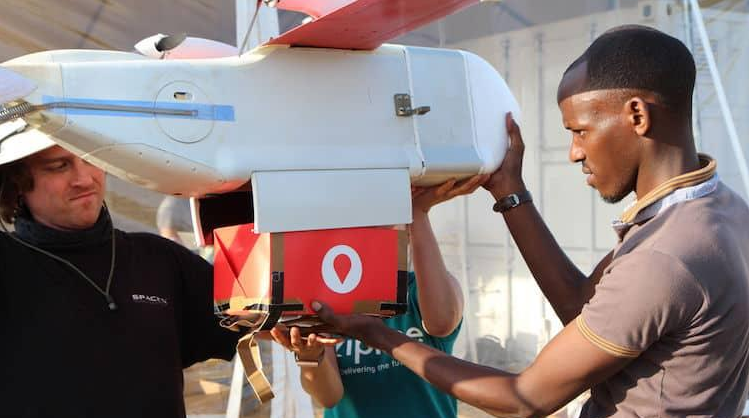
Across the continent, healthcare innovation is taking different forms. In Rwanda, drone technology developed through partnerships with Zipline has transformed the delivery of blood, vaccines and essential medicines to remote health facilities, reducing delivery times from hours to minutes and improving emergency medical response. Namibia has launched a National Digital Health Policy (2026–2036) to modernise healthcare delivery through electronic health records, improved health information systems and digital governance.
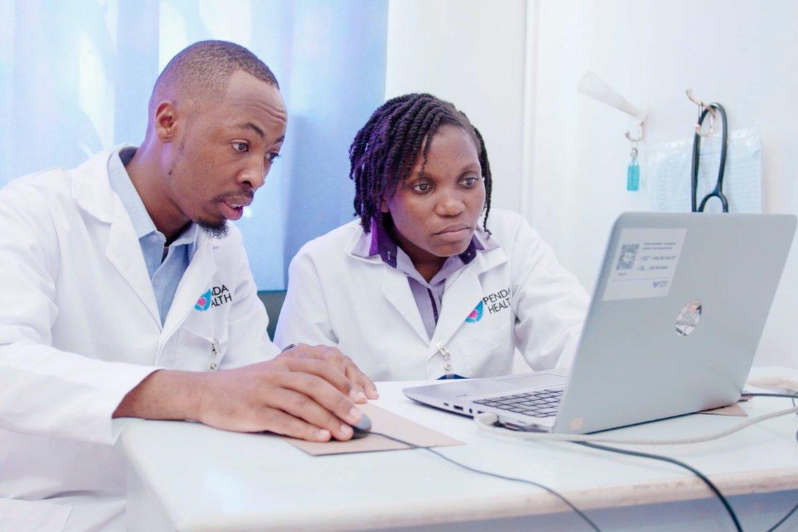
Artificial intelligence is also becoming an important tool in addressing Africa’s healthcare workforce shortages. Earlier this year, the Gates Foundation and OpenAI announced a US$50 million initiative to support the deployment of AI-powered tools in primary healthcare clinics across Africa, beginning with Rwanda. The programme aims to assist healthcare workers with clinical decision-making, reduce administrative workloads and improve access to quality healthcare in underserved communities.
Innovation is extending beyond digital platforms into medical entrepreneurship. Nigerian health technology company LifeBank continues to use technology and logistics to connect hospitals with blood banks, oxygen suppliers and essential medical products, helping save thousands of lives. Similar innovations across Africa are improving maternal healthcare, expanding telemedicine services and increasing access to affordable diagnostics, demonstrating the growing role of African entrepreneurs in strengthening public health systems.
Despite these advances, challenges remain. Limited digital infrastructure, unequal internet access, inadequate health financing and shortages of skilled professionals continue to slow the adoption of healthcare technologies in many countries. Experts believe that stronger investment in digital infrastructure, research, workforce development and cross-sector partnerships will be essential to ensuring that innovation reaches communities where it is needed most.
Healthcare innovation has therefore become more than a technological conversation; it is increasingly recognised as a cornerstone of Africa’s economic and social development. Stronger health systems improve productivity, strengthen resilience against future outbreaks and create opportunities for local innovation, research and manufacturing.
As Africa accelerates its digital transformation, collaboration between governments, technology companies, healthcare providers, universities and development institutions will remain essential to unlocking the full potential of innovation in healthcare.
These conversations will also feature prominently at the New Africa Youth Economic Summit & Honours 2026, themed “Building Africa’s Future Through Innovation, AI, Youth Enterprise & Strategic Partnerships.” The summit will bring together policymakers, healthcare leaders, innovators, investors and development partners to explore how technology and strategic partnerships can strengthen healthcare systems while creating opportunities for young African innovators.
The New Africa Group invites healthcare organisations, technology companies, development partners, research institutions and strategic investors to partner with the summit in advancing innovation, strengthening healthcare systems and empowering Africa’s next generation of changemakers.
Register for the New Africa Youth Economic Summit & Honours 2026:
https://bit.ly/NAYS2026
TNAM
By Egwu Patience Nnennaya
Wednesday August 5th, 2026.