Kenya’s Startup Boom Meets a Hard Reality: More Than $500 Million Raised, Then the Businesses Collapsed
From Sendy and Copia to Gro Intelligence and KOKO Networks, some of Kenya’s most heavily funded startups have shut down or entered administration, exposing the difficult gap between raising capital and building a sustainable business


Kenya’s startup market has produced some big funding rounds. It has also produced some expensive failures. Sendy, Copia, Gro Intelligence, KOKO Networks, MarketForce, Lipa Later, iProcure, Kune, Bonto, Mobius Motors and Notify Logistics all raised significant amounts of money before shutting down, entering administration or going through liquidation. Together, the companies raised more than $500 million. Copia raised $123 million, Gro Intelligence raised more than $117 million and KOKO Networks raised over $100 million.
That money helped these companies hire people, expand into new markets and build products. It did not keep the businesses going when the underlying numbers stopped working. The reasons were different. Some could not raise another funding round. Others had high operating costs or thin margins. In some cases, the business depended on reaching a scale that proved difficult to achieve. The founders have also taken very different paths since their companies closed.
Sendy ran out of funding options
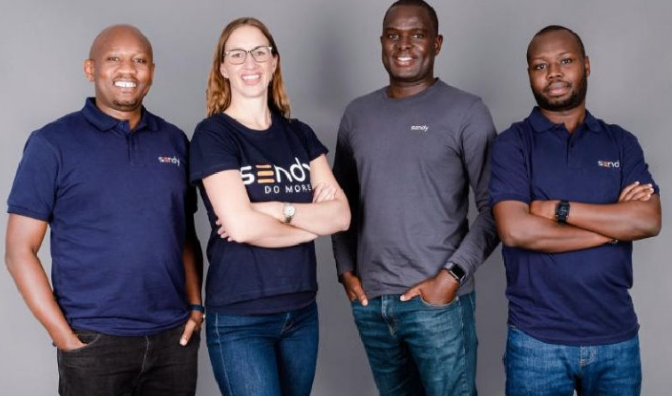
Sendy started in 2015 as a delivery company before moving into fulfilment and e-commerce. Mesh Alloys, Evanson Biwott, Don Okoth and Malaika Judd founded the company. Sendy raised at least $26.5 million from investors including Toyota Tsusho, Atlantica Ventures, Enza Capital and Sunu Capital. Its valuation passed $80 million at one point. The company eventually needed another funding round. In 2023, it tried to raise money at a lower valuation, but a key investor pulled out. Sendy later announced that it would shut down and look for buyers for its assets.
The founders went in different directions. Alloys returned to Boya, the expense-management business he had started while running Sendy, before founding tabb. Biwott started AfroQuality, while Okoth moved through logistics, aquaculture and circular fashion businesses. Judd moved to Ireland and eventually became managing director of NDRC, the country’s national startup accelerator. Sendy’s problem was not simply that it needed money. The business had expanded, and that expansion came with more costs. Once the next round became difficult to secure, there was not much room left to keep going.
Copia built a big network that was expensive to run
Copia wanted to bring e-commerce to customers outside Kenya’s major cities. Instead of relying entirely on online shopping, it used local agents to help customers order everyday goods. The company grew quickly. At its peak, Copia had 1,800 employees and more than 50,000 agents in Kenya. Investors put $123 million into the company. The same network that gave Copia its reach also cost money to maintain. The company left Uganda in 2023 and raised another $20 million, but could not secure enough additional funding to continue operating. Copia entered administration in May 2024. Tracey Turner went back into e-commerce and helped launch Stahili with two former Copia executives. Jonathan Lewis continued working in social entrepreneurship and impact investing.
Gro Intelligence had a huge valuation but still struggled to pay its bills
Gro Intelligence raised more than $117 million. By 2022, the company had reached a valuation of around $850 million. Its technology used AI and large datasets to provide information about agriculture, food security and climate risks. The problem came down to revenue. By early 2024, Gro was missing payroll and pension payments. Its board replaced founder Sara Menker as CEO and cut 60% of the workforce. The company raised emergency funding but could not secure enough additional capital. Gro shut down in May 2024. Menker has largely stayed out of the public eye since then. The Gro story is a reminder that a high valuation does not mean a company has enough cash coming in to support the business.
MarketForce found distribution was expensive
MarketForce wanted to help small retailers order stock from manufacturers and distributors. Its RejaReja platform also offered financing. The company raised $42.5 million, including a $40 million Series A that valued it at more than $100 million. But the cost of moving everyday goods around several markets was high. Margins were thin and the business needed working capital to keep stock moving. An investor also pulled out of a funding commitment. MarketForce eventually pulled back from several markets, cut jobs and shut down RejaReja in April 2024. Tesh Mbaabu and Mesongo Sibuti did not stop building. They moved on to Chpter and later Cloud9. Cloud9 launched in Kenya in December 2025 and acquired Chpter in August 2026.
Kune could not make the numbers work at its price
Kune was trying to sell ready-to-eat meals in Nairobi. Robin Reecht raised $1 million in pre-seed funding and used it to build a food factory, delivery operation and team of around 90 people. The meals sold for about $3. That price was difficult to make work once production and delivery costs were included. Kune ran out of money and shut down in June 2022. Reecht later moved into property development in Nairobi.
KOKO Networks depended on more than selling fuel
KOKO Networks built a clean-cooking business around bioethanol fuel. It eventually served around 1.3 million households and raised more than $100 million. Carbon-credit revenue was an important part of the business model because it helped subsidise fuel and stoves. When the Kenyan government declined to authorise KOKO to sell its credits internationally, that source of income was affected. KOKO eventually shut down in January 2026 and laid off more than 700 employees. Its technology and other assets are now being offered to potential buyers. Founder Greg Murray has returned to CleanStar Ventures, the company he founded before KOKO.
Bonto’s margins kept getting smaller
Bonto entered Kenya’s fintech market with foreign exchange and cross-border transfers. The company eventually secured a money-remittance licence from the Central Bank of Kenya. But getting the licence did not solve the commercial problem. Foreign exchange margins were shrinking, remittance fees were falling and compliance costs were increasing. Bonto concluded that it needed too much scale to reach break-even. The company stopped processing transactions in August 2025 and surrendered its licence. Founder Yoann Copreaux returned to Jenga, the technology company he had founded before Bonto. The payments business had actually grown out of problems he experienced while running Jenga, particularly moving money across borders.
TNAM
By Egwu Patience Nnennaya