Burkina Faso Opens $19m Gold Refinery in Push to Keep More Mining Value at Home

The new facility can refine 164 tonnes of gold annually in its first phase, with capacity planned to rise to 515 tonnes as the country seeks to process more of its mineral wealth domestically.
OUAGADOUGOU,Burkina Faso has opened its first national gold refinery, putting a $19 million facility into operation as the West African country moves to process more of its gold at home and retain a greater share of the value generated by its mining industry.
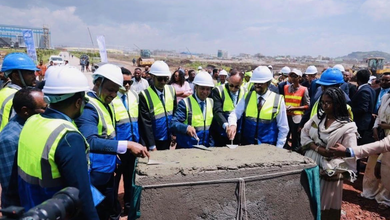
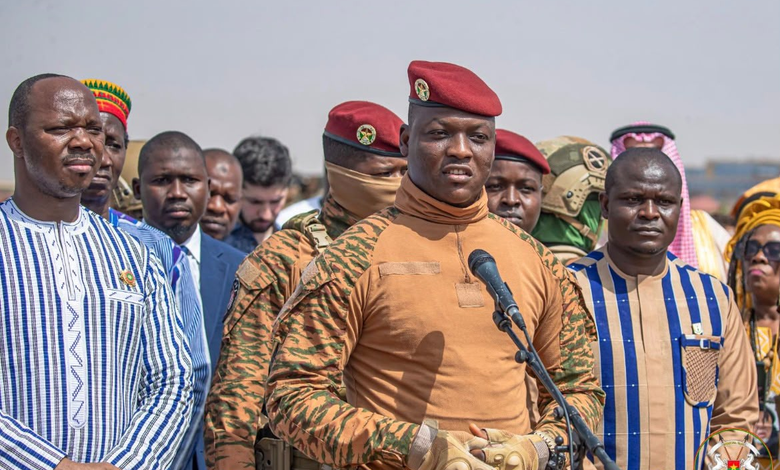
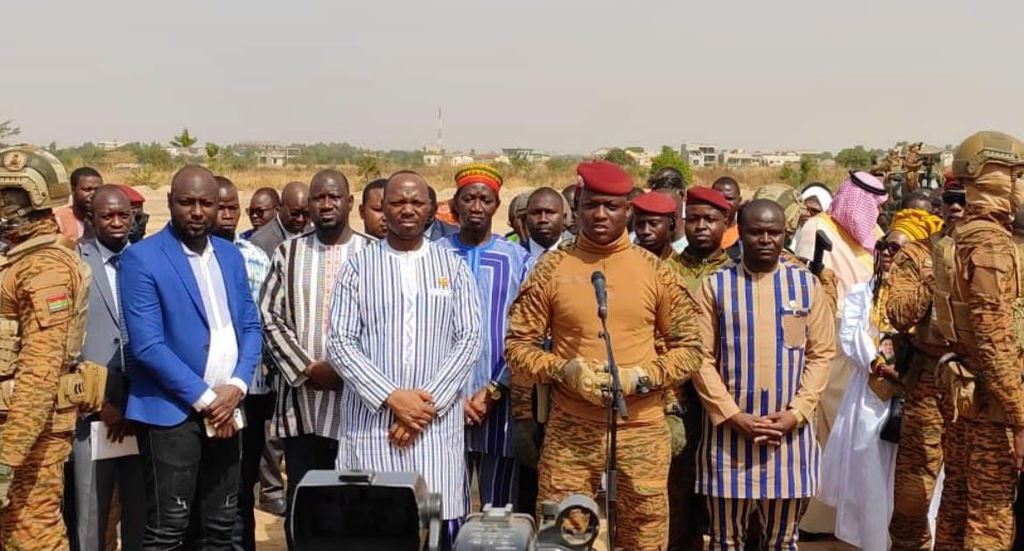
President Ibrahim Traoré inaugurated the Raffinerie Nationale d’Or du Burkina Faso (RAFFINOR-BF) in Ouagadougou on Monday, September 28. The refinery was built at a cost of 11 billion CFA francs, with financing from the state through the National Precious Substances Company (SONASP) and private partners, according to Burkinabe authorities.
The facility has an initial refining capacity of 164 tonnes of gold per year. A second phase is expected to raise total capacity to 515 tonnes annually, according to the refinery’s management.
The plant will refine doré gold into fine-gold bars with purity of up to 99.9%. Its facilities include a foundry, gold-testing laboratory, secure storage and a jewellery unit.
The refinery is designed to move the country further along the gold value chain, rather than leaving refining and other downstream activities to facilities outside Burkina Faso.
At the inauguration, Traoré said the country wanted to move away from a model centred largely on extracting mineral resources and exporting them for further processing.
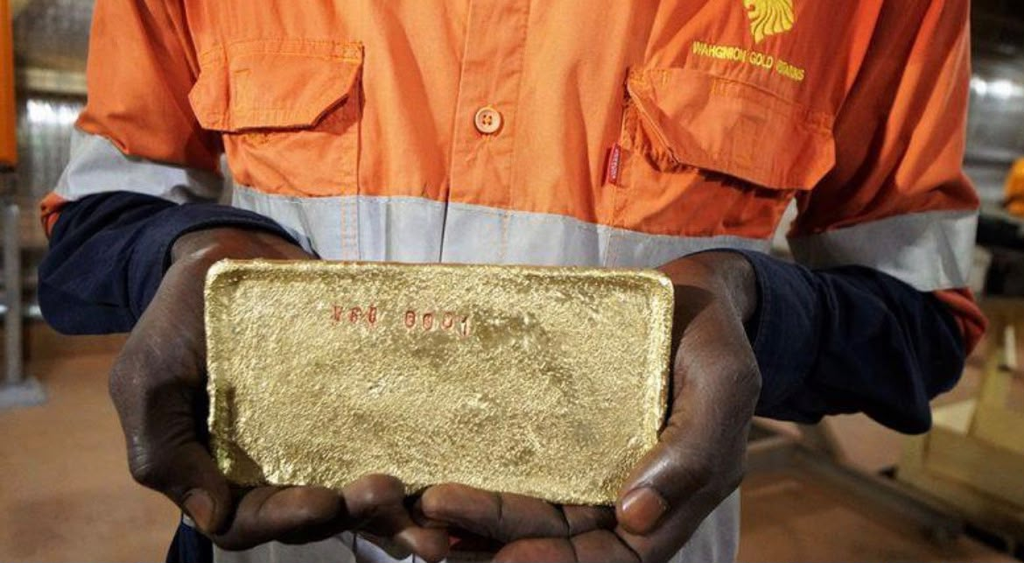
The government says developing domestic refining capacity will allow more of the economic value associated with Burkina Faso’s gold to be captured within the country.
The project is also expected to support employment, with reports putting the projected impact at about 100 direct jobs and more than 5,000 indirect jobs.
Gold is central to Burkina Faso’s mining economy. The country produced more than 94 tonnes of gold in 2025, including around 43 tonnes from artisanal and semi-mechanised operations, according to figures presented by the government earlier this year.
That production base gives the new refinery significant room to operate as the government seeks greater control over the sector and more domestic participation in mining-related activities.
The refinery’s first-phase capacity of 164 tonnes is also larger than Burkina Faso’s reported total gold production in 2025, allowing the facility to potentially handle production from different parts of the domestic supply chain as well as future increases in output.
Burkina Faso’s move comes as other major African gold producers seek to increase domestic processing and reduce reliance on overseas refining.
Ghana, Guinea and Côte d’Ivoire have also taken steps to expand local gold refining, while Mali is developing its own refinery. The trend reflects a broader push by African mineral-producing countries to capture more value from resources before they leave the continent.
For Burkina Faso, the immediate challenge will be turning the new facility into a functioning part of a wider domestic gold industry linking mining, refining, certification, storage, jewellery and other downstream businesses.
The opening of RAFFINOR-BF therefore marks more than the arrival of a new industrial facility. It gives one of Africa’s major gold-producing countries a new piece of infrastructure for moving from extracting gold to processing it at home.
TNAM