The United States has approved up to $414 million in financing for Global Atomic Corporation’s Dasa uranium project in Niger, opening a major new investment in the country’s mining sector and strengthening the project’s role in global uranium supply.
The financing was approved by the U.S. International Development Finance Corporation (DFC) as Washington seeks to secure access to critical minerals and diversify supply chains for resources considered important to energy security.
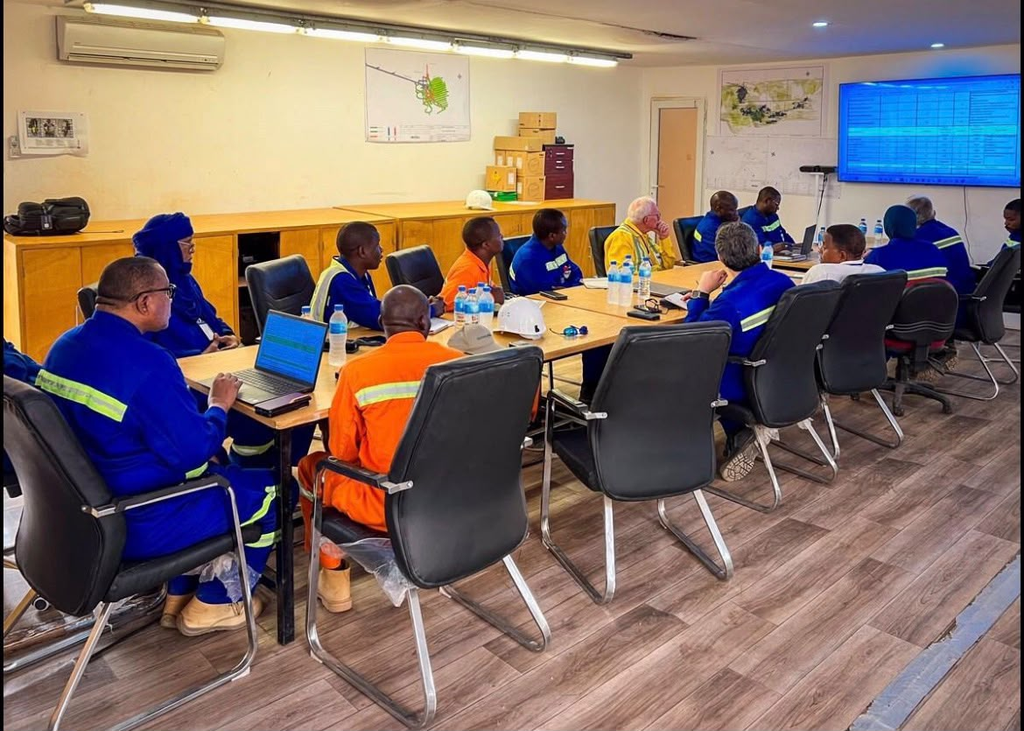
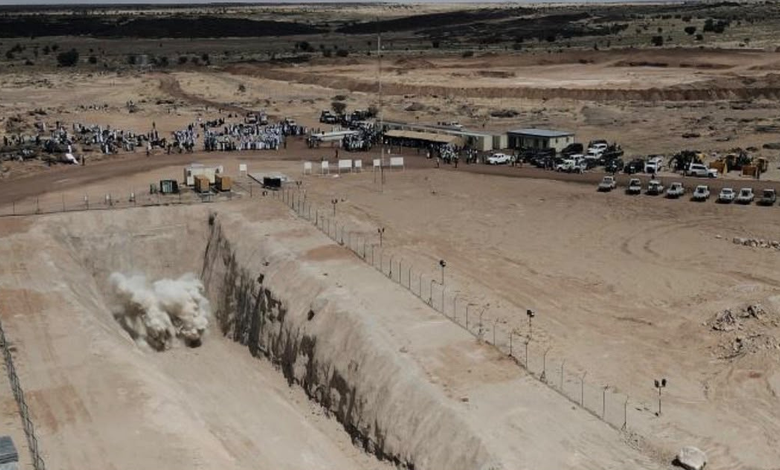
The Dasa project is located in Niger’s Agadez region, an area with a long history of uranium mining. Global Atomic, a Canadian mining company, holds an 80% interest in the project through its Nigerien subsidiary, Société Minière Dasa SA (SOMIDA), while the Nigerien government holds the remaining 20%.
The project is being developed as an underground uranium mine and has been described as one of the highest-grade undeveloped uranium deposits in Africa.
Investment targets uranium production
The Dasa project is expected to produce approximately 45 million pounds of uranium oxide over an initial 12-year mine life, according to project documents.
The development includes underground mining operations and supporting surface infrastructure. The project has previously received the required mining permits and approvals from Nigerien authorities.
The U.S. financing is expected to support the development of the mine as Global Atomic works toward commercial production.
Uranium has become increasingly important to governments seeking to secure supplies for nuclear power generation, while demand for the mineral has also increased alongside renewed interest in nuclear energy.
The United States added uranium to its list of critical minerals in 2025, highlighting its importance to the country’s energy and industrial supply chains.
Niger seeks greater control over mineral resources
The investment comes at a significant period for Niger’s mining sector, as the government seeks greater control over the country’s natural resources and a larger share of the economic value generated from mining.
Niger has historically been one of the world’s important uranium-producing countries, with French companies playing a major role in the sector for decades.
The country’s relationship with French nuclear company Orano has deteriorated in recent years following disputes over mining assets and operating rights.
The Dasa project offers another major international player an opportunity to participate in Niger’s uranium industry, while the Nigerien government retains a 20% ownership stake in the project.
The development also faces challenges linked to security and logistics.
The Dasa mine is located in northern Niger, a region where armed groups have carried out attacks and where security conditions have complicated mining and transportation activities.
Global Atomic is also examining alternative export routes as instability affects some traditional transportation corridors.
One option under consideration is a route through Algeria, which could provide an alternative pathway for transporting uranium products to international markets.
Under the project’s existing arrangements, uranium produced at Dasa is expected to be transported from the mine to the Port of Cotonou in Benin using Nigerien government-controlled transportation arrangements and security measures.
Growing international interest in Niger’s uranium
The U.S. financing gives the Dasa project a stronger position in the international uranium market and reflects growing competition among countries seeking secure supplies of critical minerals.
For Niger, the project could provide employment, government revenue and increased participation in the value generated from its uranium resources.
The Dasa development also comes as the global nuclear industry experiences renewed interest, with countries looking to expand nuclear power as part of efforts to meet rising electricity demand while reducing dependence on fossil fuels.
If developed as planned, Dasa would become a significant new source of uranium from Africa and could strengthen Niger’s position in the global nuclear fuel supply chain.
TNAM