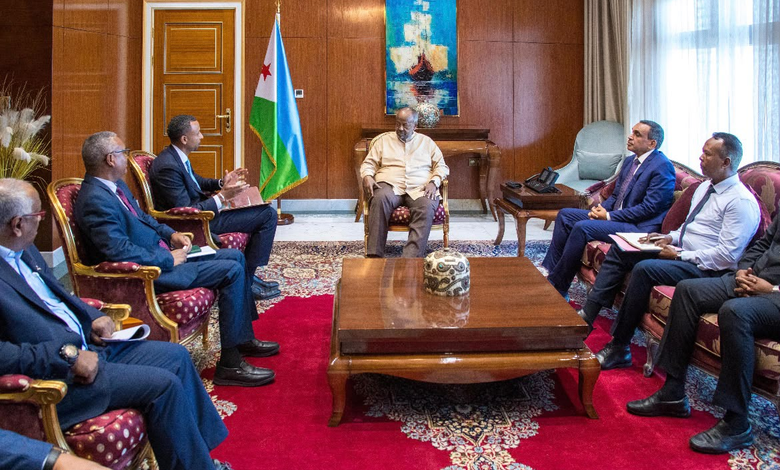
Ethiopia, Djibouti and Nigerian industrialist Aliko Dangote are planning a $660 million refined petroleum pipeline that would connect the two East African countries and strengthen the region’s energy supply network.
The project was announced by a spokesperson for Ethiopian Prime Minister Abiy Ahmed’s office, with the proposed pipeline expected to improve the transportation of refined petroleum products between Djibouti and Ethiopia.
Ethiopia relies heavily on imported fuel and currently transports much of its petroleum products through Djibouti, whose port serves as a major gateway for Ethiopian trade.
The planned pipeline is therefore expected to make the movement of fuel more efficient while supporting Ethiopia’s growing energy needs and strengthening trade links between the neighbouring countries.
For Djibouti, the project could further reinforce the country’s position as a strategic logistics and energy hub in the Horn of Africa. Its ports already play a major role in handling Ethiopia’s international trade, given Ethiopia’s landlocked status.
Dangote’s involvement adds a wider African industrial dimension to the project. The Nigerian conglomerate has expanded beyond its home market in recent years, with investments spanning cement, fertiliser, energy and other industries across the continent.
The pipeline also comes as African countries increasingly seek regional infrastructure projects that can reduce logistics costs, improve energy security and deepen economic integration.
The proposed investment is part of a broader push to strengthen connections between African economies through infrastructure capable of supporting trade and industrial growth.

For Ethiopia and Djibouti, the pipeline could provide a more structured route for transporting petroleum products, while the involvement of a major African industrial group highlights the growing role of African private capital in financing large-scale infrastructure projects.
Further details on the construction timeline, financing structure and planned capacity have not yet been publicly disclosed.
If completed, the $660 million pipeline would become another major piece of cross-border infrastructure linking economies in the Horn of Africa and supporting the movement of energy resources across the region.
TNAM