LAGOS, Nigeria What started as a spontaneous idea after seeing another Nigerian-made game online has quickly turned into one of the country’s most talked-about gaming projects.
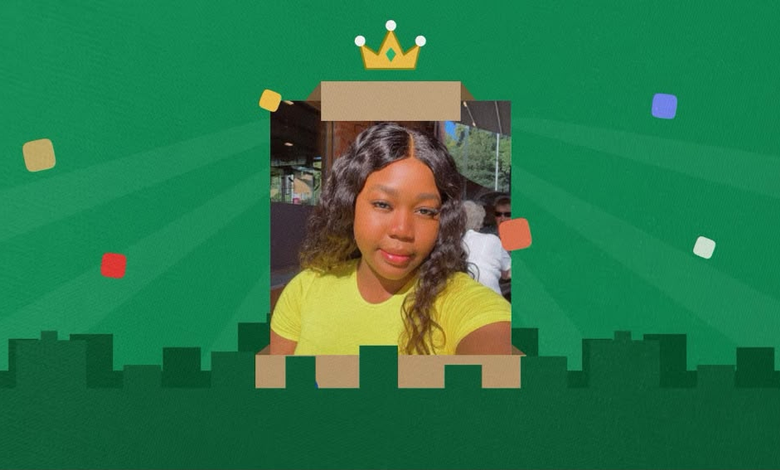
Nigerian software developer Shalom Mathew, who is based in the United Kingdom, built Lagos Life, a browser-based multiplayer game that allows players to create virtual lives inside a digital version of Lagos.
The game crossed the one-million-player mark within three days of its October 1 launch, according to figures shared through the game’s dashboard and by Mathew. Current reports say the player count has since risen further, with the developer reporting more than two million users.
The figures have not been independently audited, but the speed of the game’s growth has drawn attention to the potential of locally created digital entertainment in Nigeria.
An idea that came together in one night
Mathew did not initially set out to build Lagos Life.
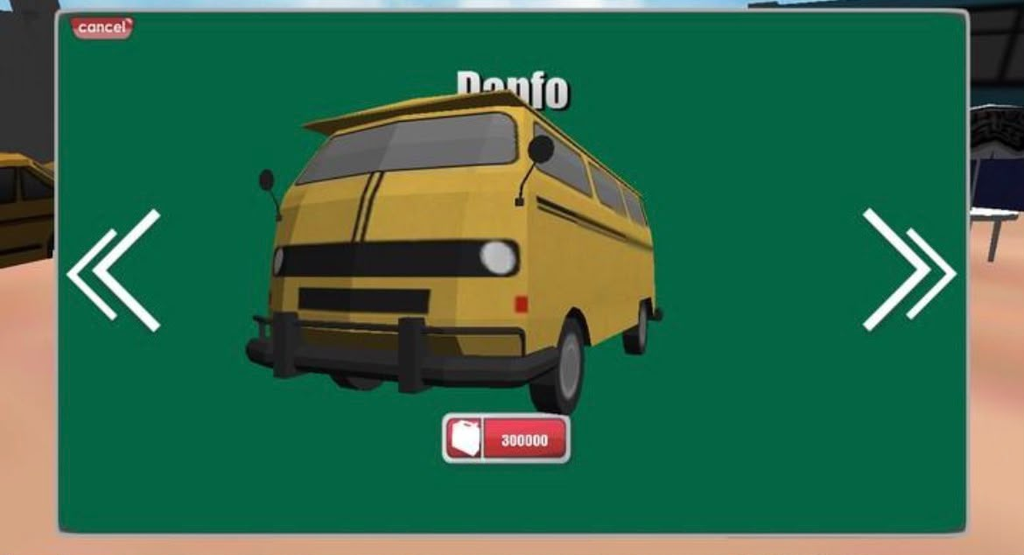
The idea emerged after she came across Lagos Run, a browser game created by Nigerian developer Opeyemi Adeniran that allows players to drive a danfo through Lagos traffic.
The game reminded Mathew of her childhood experience playing The Sims, the popular life-simulation franchise. She began thinking about what a similar experience would look like if it reflected the world she knew.
She downloaded The Sims again that evening and began working on the idea.
Less than 12 hours later, the first version of Lagos Life had been built.
Mathew’s software development experience, combined with the use of artificial intelligence tools, helped accelerate the process. She has said AI was used throughout the development process, including tools that now help identify bugs, fix problems and prioritise feature requests.
A virtual Lagos that feels familiar
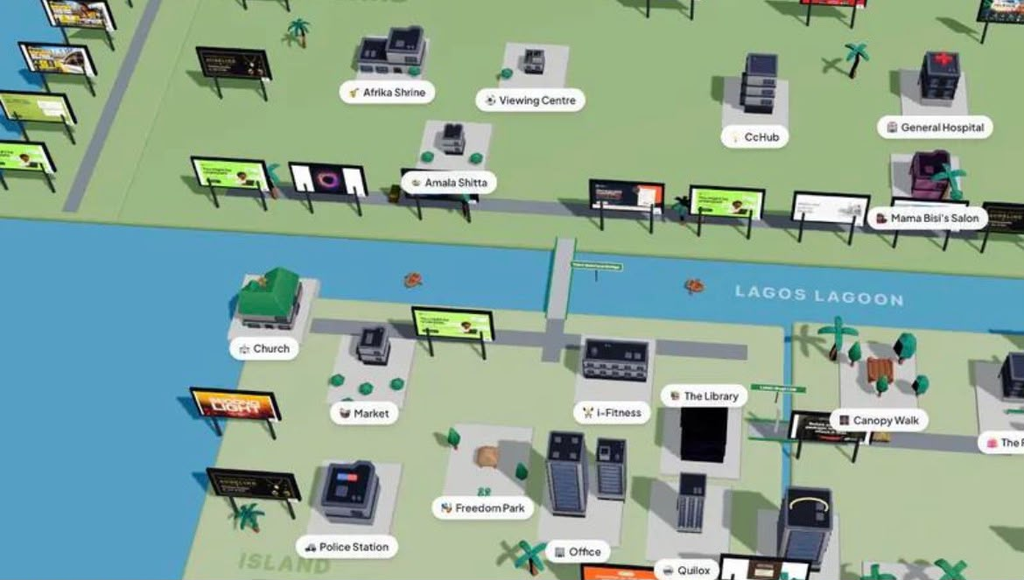
Rather than creating a generic life-simulation game, Mathew built Lagos Life around experiences that Nigerian players immediately recognise.
Players can create characters, get jobs, earn virtual naira, rent homes, furnish their spaces, travel around the city and interact with thousands of other players.
The virtual world incorporates familiar elements of Lagos life, including danfos, taxis, motorcycles, tricycles, nightlife, businesses and the everyday challenge of earning and spending money.
Players can also buy household items, invest in virtual properties and equipment, and make decisions about how they want their characters to live.
The game even has a political system, with a virtual governor and commissioners responsible for areas including health, transport, works and finance.
That familiarity has become one of the game’s strongest attractions.
Instead of asking Nigerian players to enter an unfamiliar fictional universe, Lagos Life takes elements of everyday Nigerian life and turns them into the game itself.
Why the game spread so quickly
One of the biggest advantages of Lagos Life is its accessibility.
The game runs directly in a web browser, meaning players do not need to download a large application, purchase a gaming console or install specialised software. A phone or computer with an internet connection is enough to enter the virtual city.
The game’s early growth also relied heavily on social media and word of mouth rather than a large conventional advertising campaign.
According to Techpoint Africa, the game’s dashboard showed more than 1.2 million players and over 71,000 people online by October 5, while Mathew had earlier reported a peak of more than 109,000 players online simultaneously. (Techpoint Africa)
The milestone has continued to attract attention beyond Nigeria, with players reported from countries including Ghana, South Africa, the United Kingdom, the United States and Togo.
From game to business
The rapid growth of Lagos Life has also created a commercial opportunity.
Businesses can advertise through virtual billboards and other placements inside the game. Musicians have also begun using the virtual environment to promote new releases.
Advertising placements reportedly start at about ₦50,000 for seven days, while Nigerian delivery company Chowdeck has also appeared as an application inside the game’s virtual smartphone.
Mathew later announced that Lagos Life had generated more than $46,000 in revenue, giving the project an early business model beyond simply attracting players.
The approach is significant for Nigeria’s gaming industry, where developers have historically faced the challenge of building games for large audiences with relatively limited consumer spending power.
Rather than depending entirely on players purchasing the game, Lagos Life is experimenting with advertising, partnerships and virtual experiences as ways to generate revenue.
The challenges of rapid growth
The game’s success has not come without difficulties.
As the number of players increased, Mathew had to deal with technical problems, player requests and an exploit that allowed some users to generate large amounts of virtual money.
The incident highlighted some of the challenges that come with running a multiplayer game with its own digital economy. Security, fairness and moderation become increasingly important when virtual money, jobs, property and social status are built into the experience.
The rapid growth has also forced Mathew to expand beyond working alone.
She has assembled a core team of fewer than six people, with additional support across operations, marketing, product and customer service. The move is allowing her to step back from some of the daily demands of running the game while continuing to develop it.
Building beyond Lagos
The game’s popularity has already generated interest in versions based on other Nigerian cities.
While Lagos Life began with Lagos as its central setting, reports indicate that players have requested experiences based on other parts of Nigeria. The game’s growth therefore presents an opportunity to expand the concept beyond a single virtual city.
For Mathew, the immediate objective is no longer simply to prove that the game can attract players.
She is now working to turn the project into a proper gaming company.
What began with a Nigerian developer seeing another local game online, returning to a childhood favourite and spending one night building an idea has developed into a rapidly growing digital platform with millions of players, paying advertisers and an expanding team.
The bigger story may therefore not be the one-million-player milestone itself, but what happens next.
If Mathew can retain the audience, strengthen the technology and build sustainable revenue around the platform, Lagos Life could become an example of how Nigerian developers can turn culturally specific ideas into digital products capable of reaching audiences far beyond Nigeria.
TNAM