Nigeria Confirms First Ebola Case in a Decade as Authorities Launch Emergency Response in Abuja

The Federal Government has confirmed an imported case of Bundibugyo Ebola virus disease in the Federal Capital Territory, prompting contact tracing, patient isolation and intensified surveillance to prevent further transmission.
Nigeria has confirmed its first case of Ebola virus disease in a decade after a woman with a recent international travel history tested positive in Abuja, raising fresh concerns about the spread of the virus across Africa.
The Federal Ministry of Health and Social Welfare confirmed the case on 20 October 2026, following laboratory testing that identified the Bundibugyo strain of the Ebola virus. The patient is currently in isolation and receiving medical care, while public health authorities work to identify and monitor people who may have been exposed to the infection.
The development comes as the Democratic Republic of the Congo (DRC) continues to battle a major Ebola outbreak that has spread beyond its borders, with cases also reported in Kenya. Nigeria’s case makes the country the fifth to detect the virus during the outbreak that began in the DRC in May 2026, according to the World Health Organization (WHO).
How the infection was detected
According to the Federal Ministry of Health, the patient is a woman who recently travelled from Uganda to Nigeria. She arrived in the country on 5 October and began experiencing symptoms on 7 October, four days after her arrival.
She sought medical attention at a private health facility in the Federal Capital Territory on 11 October, where she initially received treatment for symptoms resembling malaria. Her travel history subsequently raised concerns about possible exposure to Ebola, prompting further investigation and laboratory testing.
The infection was confirmed on 20 October.
Authorities are investigating the likely source of the infection and reconstructing the patient’s travel and exposure history. Although she had recently travelled through Uganda, officials have not established that she contracted the virus there. Her wider travel history includes the Democratic Republic of the Congo, where the current outbreak originated.
The distinction is important because identifying where and how the infection occurred will help health officials assess potential exposure risks and determine whether additional surveillance measures are necessary.
Contact tracing begins as 44 people are identified
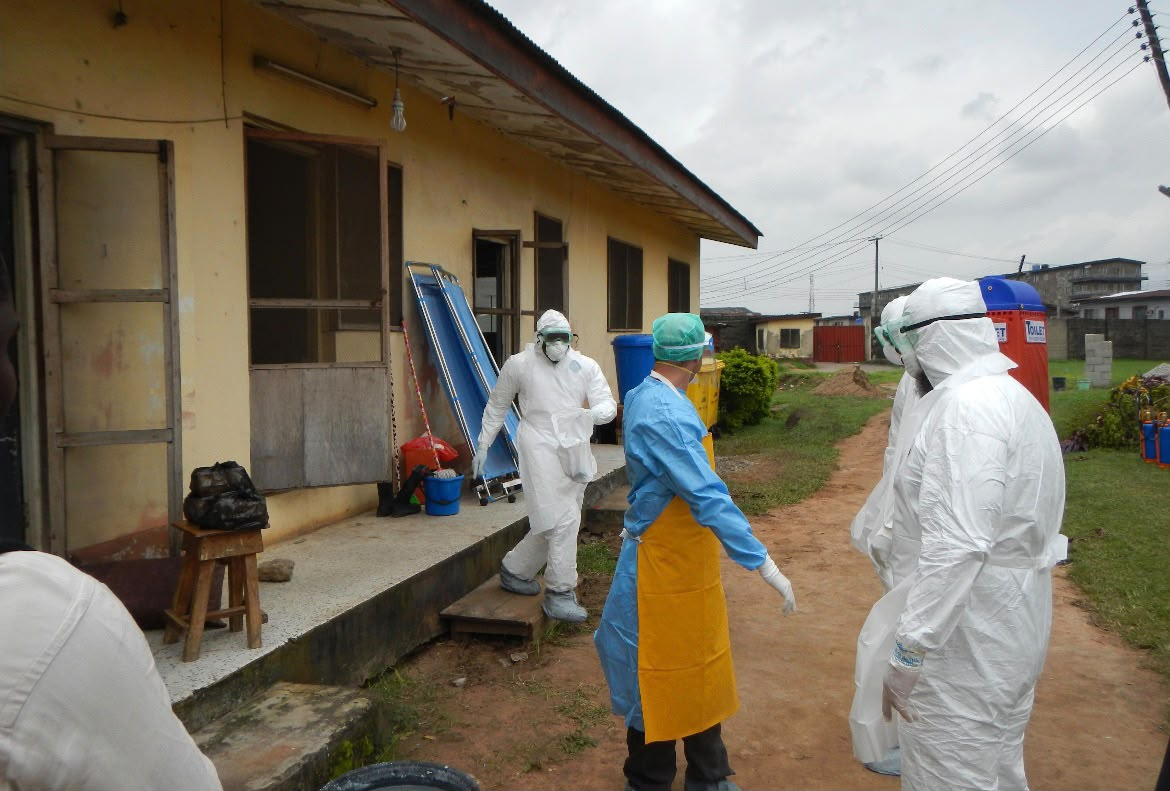
Following confirmation of the case, Nigeria’s public health authorities initiated contact tracing to identify people who may have had close contact with the patient during the period when exposure could have occurred.
As of 20 October, officials had identified 44 contacts who were being monitored. These include individuals whose possible exposure is being assessed as part of the investigation.
Contact tracing is a central component of Ebola outbreak control. Health teams identify people who may have been exposed, monitor them for symptoms during the relevant observation period and arrange prompt assessment if symptoms develop.
The Federal Government has also directed health facilities to maintain heightened vigilance, strengthen infection prevention and control procedures, and promptly report suspected cases to the relevant public health authorities.
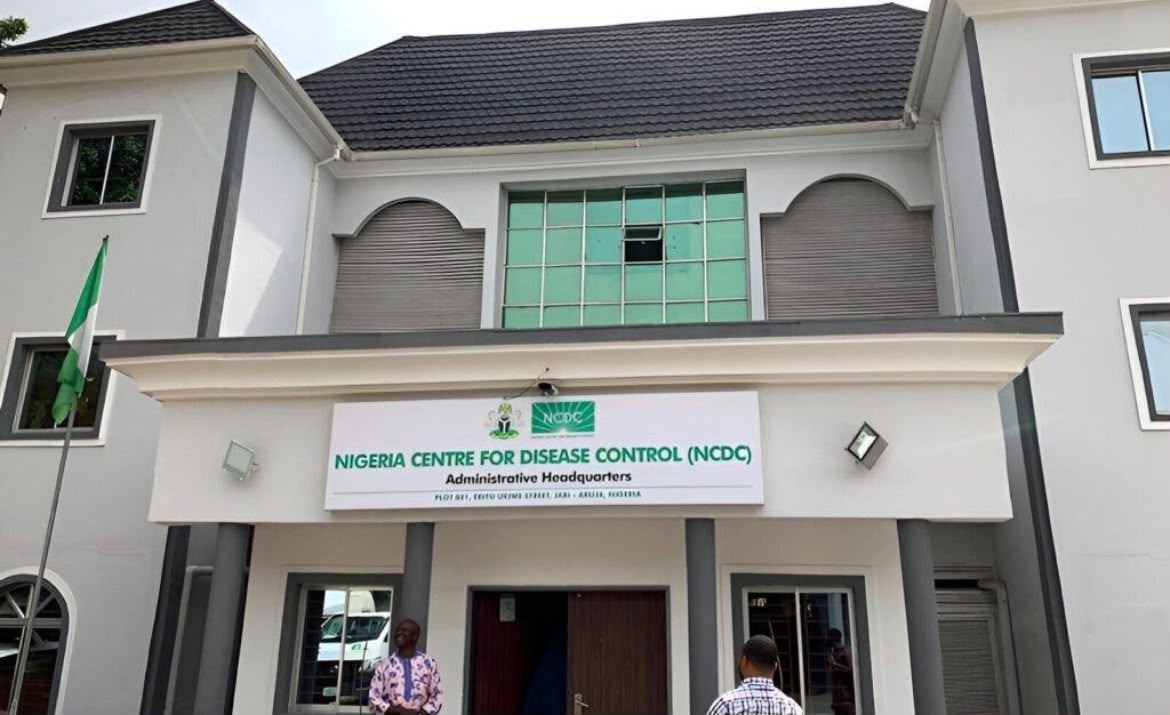
The response involves the Federal Ministry of Health and Social Welfare, the Nigeria Centre for Disease Control and Prevention (NCDC), the FCT health authorities and other public health partners.
The number of identified contacts should not be interpreted as the number of additional infections. Contact tracing is a precautionary measure designed to detect possible transmission early and prevent further spread.
What is the Bundibugyo strain of Ebola?
Ebola virus disease is a serious infectious illness caused by viruses in the genus Orthoebolavirus. It can cause fever, weakness, muscle pain, headache, vomiting, diarrhoea and, in severe cases, internal or external bleeding and organ complications.
The Bundibugyo virus is one of the viruses known to cause Ebola disease. It was first identified during an outbreak in Uganda in 2007–2008.
Unlike some other Ebola viruses, the Bundibugyo virus does not have an approved, specifically targeted vaccine or treatment established for routine use. Medical care therefore focuses on supportive treatment, including maintaining hydration, managing symptoms, treating complications and monitoring the patient’s condition.
Early detection and prompt medical care are important. The virus can spread through direct contact with the blood or other bodily fluids of an infected person who is showing symptoms, or through contaminated materials. It is not considered to spread through ordinary casual contact in the way that airborne respiratory infections such as measles do.
People who may have been exposed should follow guidance from public health authorities rather than attempting to assess their risk independently.
A wider African outbreak
Nigeria’s imported case is part of a broader regional public health challenge.
The ongoing outbreak in the Democratic Republic of the Congo has been driven by the Bundibugyo virus and has spread across multiple provinces. The detection of infections in other countries has increased concern about cross-border transmission through travel and population movement.
Kenya confirmed cases linked to the regional outbreak in October, while Uganda, which had reported cases earlier in 2026, was declared free of the outbreak in August, according to health authorities.
The WHO has been coordinating with affected countries and supporting surveillance, laboratory testing, clinical management and outbreak response activities.
Nigeria had already strengthened its Ebola preparedness measures before the Abuja case was confirmed. These included heightened surveillance, preparedness planning, coordination between national and state authorities, and monitoring of developments in affected countries.
The confirmation demonstrates why preparedness measures remain important even when a country has not previously detected an infection associated with a particular outbreak.
What Nigerians should know
Health authorities have urged healthcare facilities to remain alert for possible cases, particularly when patients present with compatible symptoms and a relevant travel or exposure history.
The public should avoid direct contact with the bodily fluids of anyone suspected or confirmed to have Ebola and should not handle potentially contaminated materials. Anyone who believes they may have been exposed should contact public health authorities or seek medical guidance promptly.
At the same time, the confirmation of one imported case does not mean that Ebola is spreading widely throughout Nigeria. The immediate public health priority is to isolate the confirmed patient, monitor identified contacts, investigate the source of infection and detect any additional cases quickly.
The Federal Government and public health agencies are continuing their response as investigations progress. The outcome of contact tracing and further epidemiological assessments will help establish whether the infection has resulted in any additional transmission within the country.
Nigeria previously experienced an Ebola outbreak in 2014, when the virus was introduced by an infected traveller arriving in Lagos. The country subsequently contained that outbreak through isolation, contact tracing and coordinated public health action.
The current case again places emphasis on the importance of early detection, transparent communication and effective coordination between healthcare providers and public health authorities.
As investigations continue in Abuja, officials are working to contain the infection and prevent further spread while assessing the risk to the wider population.
TNAM