Cheaper Twice-Yearly HIV Prevention Injection Begins Reaching Africa, Offering New Hope to Millions

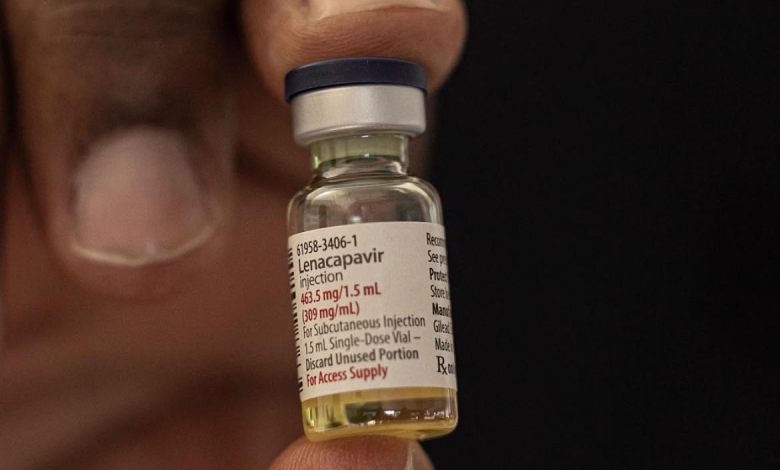
A new HIV prevention medicine that requires just two injections a year is beginning to reach more African countries, raising hopes that millions of people could have access to an alternative to daily preventive pills.
The medicine, known as lenacapavir, is a long-acting injectable form of pre-exposure prophylaxis (PrEP), a medication taken by people who are HIV-negative to reduce their risk of acquiring HIV. Unlike traditional oral PrEP, which requires daily use, lenacapavir is administered once every six months.
The latest development came on November 25, when the Global Fund to Fight AIDS, Tuberculosis and Malaria announced that the first shipments of generic lenacapavir had arrived in Zambia. Uganda was expected to receive its delivery shortly afterwards, while Zimbabwe is scheduled to receive supplies in early 2027.
The Global Fund, led by its Executive Director, Peter Sands, is working with the United States government and other global health partners to expand access to the medicine. The organisation aims to reach at least three million people with lenacapavir by the end of 2028.
The arrival of generic supplies is particularly important because the cost of new medicines has often made them difficult to access in low- and middle-income countries. The generic version is expected to cost approximately US$40 per person annually under the access arrangements reported for participating countries. This could bring the medicine closer to the cost of existing daily HIV prevention pills and make wider distribution more realistic.
The companies behind the new development
Lenacapavir was originally developed by American pharmaceutical company Gilead Sciences. The company entered into voluntary licensing agreements with six generic manufacturers to support the production of more affordable versions for eligible low- and middle-income countries.
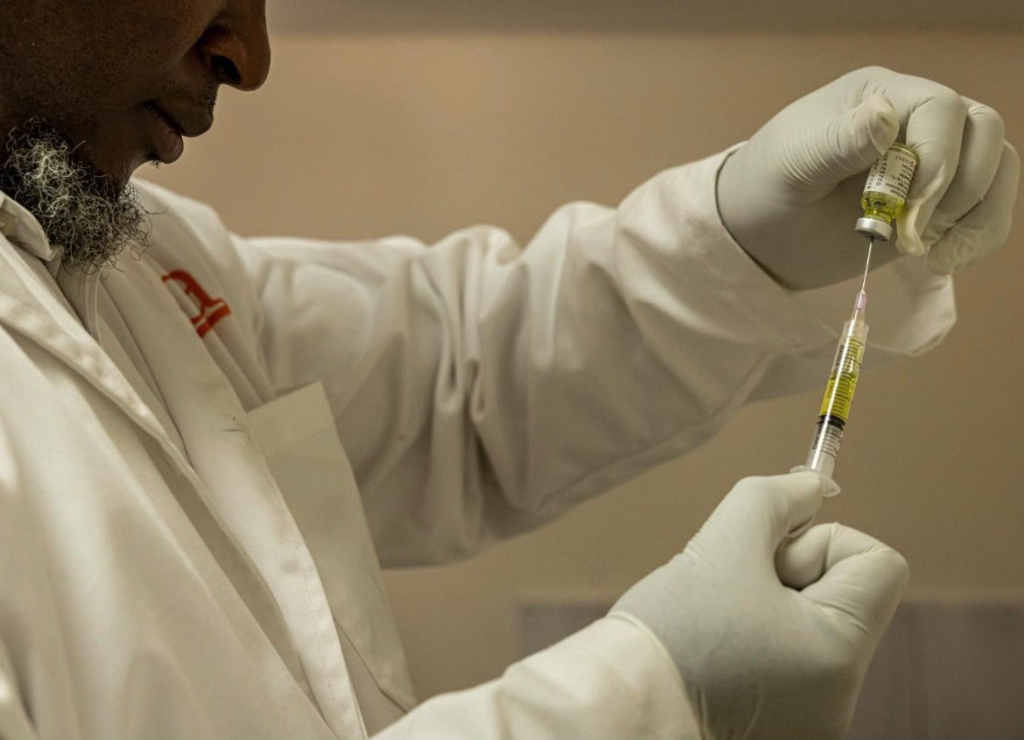
The manufacturers are Dr. Reddy’s Laboratories, Emcure Pharmaceuticals, Eva Pharma, Ferozsons Laboratories, Hetero and Mylan, a subsidiary of Viatris.
Indian pharmaceutical company Hetero is among the manufacturers involved in the African supply effort, while Dr. Reddy’s Laboratories has also been involved in developing generic versions of the medicine. The generic manufacturing arrangements are expected to increase supply and make it easier for health programmes to reach more people.
International organisations, including the World Health Organization (WHO), Unitaid and the Global Fund, have also played important roles in supporting the introduction and expansion of lenacapavir.
What makes the injection different?
Lenacapavir works by targeting the HIV capsid, the protein shell that protects the virus and helps it reproduce inside the body. By interfering with this process, the medicine helps prevent HIV from establishing an infection.
Its twice-yearly schedule is one of its biggest advantages. People who use daily PrEP must remember to take their medication consistently, while some face challenges such as stigma, difficulty maintaining a daily routine or limited access to regular supplies. An injection given every six months offers another option for people who prefer not to take a daily pill.
The medicine has produced encouraging results in major clinical trials. In the PURPOSE 1 trial, no HIV infections were recorded among the participants who received lenacapavir during the reported study period. In PURPOSE 2, the medicine reduced HIV incidence by 96 per cent compared with the estimated background incidence.
These results helped establish lenacapavir as one of the most significant recent developments in HIV prevention. In July 2025, the World Health Organization recommended twice-yearly injectable lenacapavir as an additional PrEP option, alongside existing HIV prevention methods.
The WHO recommendation gives people more choices rather than replacing other effective prevention options. Daily oral PrEP remains an important method, and the best option depends on individual needs, availability and medical advice.
Millions targeted as African supply expands
According to the Global Fund, more than 189,000 people across 10 early-adopter countries had received their first dose of lenacapavir by November 2026. A total of 24 countries are expected to have received the medicine by the end of the year.
The organisation plans to deliver four times the volume supplied in 2026 during 2027, with generic products expected to account for a growing share of the supply.
The first shipments to Zambia and planned deliveries to Uganda and Zimbabwe are part of a wider effort to make the medicine available in countries where the need for additional HIV prevention options remains high.
However, the arrival of generic supplies does not mean the injection is immediately available to everyone. Countries still need to complete relevant regulatory and procurement processes, organise distribution and ensure that health facilities can provide the injections safely.
Nigeria has already started its rollout
Nigeria is among the African countries that have introduced lenacapavir. The country began its rollout in March 2026 through a pilot programme covering nine states and the Federal Capital Territory.
The participating states are Akwa Ibom, Anambra, Benue, Cross River, Ebonyi, Gombe, Kano, Kwara and Lagos.
At a media briefing in Abuja ahead of the 2026 World AIDS Day commemoration, Dr Adebobola Bashorun, National Coordinator of the National AIDS, Viral Hepatitis and Sexually Transmitted Infections Control Programme (NASCP), disclosed that more than 30,000 eligible Nigerians had accessed the injection.
Bashorun said Nigeria had received nearly 50,000 doses and was expecting an additional 170,000 doses by January 2027 to support expansion of the programme.
He also explained that the medicine was being provided to eligible people at substantial risk of acquiring HIV, rather than being distributed as a general injection for the entire population. He noted that the country was still operating a pilot programme and did not yet have supplies in the millions.
The National Agency for the Control of AIDS (NACA) is also involved in Nigeria’s broader national HIV response. The expected expansion of generic production could eventually support wider access across the continent, although Nigeria’s access will depend on its own procurement, regulatory and supply arrangements.
What people need to know
Although lenacapavir offers strong protection against HIV, it is important to understand what the medicine does and does not do.
It is a prevention medicine, not a cure for HIV and not a treatment for someone already living with the virus. People must test negative for HIV before starting the injections and undergo appropriate follow-up testing before continuing the programme. This helps ensure that an existing infection is not missed and reduces the risk of HIV developing resistance to the medicine.
The injection can also cause side effects, particularly reactions around the injection site, such as pain, swelling or small lumps. Anyone considering the medicine should discuss its benefits and possible risks with a qualified healthcare professional.
Lenacapavir does not prevent other sexually transmitted infections or pregnancy. Other appropriate prevention measures remain important.
For Africa, where access to affordable and effective HIV prevention remains a major public health priority, the expansion of lenacapavir supplies represents an important development. The medicine has already shown strong results in clinical studies, and the arrival of generic versions creates an opportunity to reach more people.
The next challenge will be turning that opportunity into consistent access: ensuring that countries can afford the medicine, health facilities are equipped to administer it and people who need it can receive it without unnecessary barriers.
TNAM